
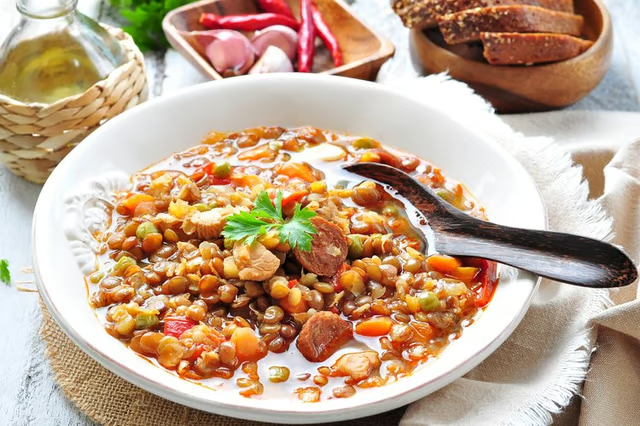
Warm and comforting during any season -- although maybe less during hot summer weather -- soup is a nutritious and healthy meal. However, many prepared or canned soups, even those marked “low-sodium,” are high in sodium and can make what would otherwise be a healthy food choice unhealthy. To limit sodium in your diet, make your own soup at home with no-sodium flavorings.
Sodium in Your Diet
The American diet is generally too high in sodium. Adequate intake of sodium for all adults is 1,500 milligrams per day, which is less than 1 teaspoon of table salt per day. While the upper recommended limit is 2,300 milligrams per day -- or 1,500 milligrams for African Americans, those over 50 or those with a history of heart disease -- the majority of Americans greatly exceed this recommended limit. A diet high in sodium can lead to health problems, including an increased risk of cardiovascular disease.
Broth as the Foundation of Soups
Broth forms the base of many soups, whether they are chunky or pureed. While purchasing pre-made broths is time-saving, they are often packed with preservatives and sodium to increase flavor. If you are buying pre-made broths, aim for those marked low, very low or sodium-free. To be considered low-sodium, there must be less than 140 milligrams of sodium per serving, less than 35 milligrams per serving for very low sodium and less than 5 milligrams for a product marketed as sodium-free. If you are concerned, you can make broths at home with chicken, beef, pork bones or vegetables. While these foods contain trace amounts of sodium, the amounts are significantly less than commercially made sodium-free broths.
Vegetables in Soup
Using vegetables in your soup not only provides bulk and flavor, but the added benefit of nutrients. To make sure your soup is no-sodium, choose vegetables that contain no sodium. Options include eggplant, garlic, summer squash and potatoes. Lemons and limes are also sodium-free, and their juice can add a needed hit of acidity to your soup. However, many vegetables are naturally low in sodium, so in general, using a wide variety of vegetables in your soups will not greatly increase your sodium content.
Flavor Boost Without Salt
Because some low- or no-sodium foods can lack flavor, look for ways to increase flavor without resorting to an extra toss of the salt shaker. Consider roasting your vegetables under the broiler before adding them to the soup. Browning vegetables such as eggplant, tomatoes, zucchini and onions can increase and change the flavor of your soup without adding extra salt. Also make full use of your herb and spice rack to boost flavor. Before sprinkling the salt, consider adding extra garlic, oregano, thyme or rosemary to your soup, all of which are sodium-free ingredients that blend well and enhance numerous vegetables.
