
Grocery store dynamic pricing: what digital shelf labels mean
Seeing electronic shelf labels in grocery stores can make a routine shopping trip feel a little less predictable. If a digital tag can change quickly, could the price of cereal jump during the dinner-hour rush the way a rideshare fare does?
The available evidence offers a reassuring answer, with an important limit: a large transaction-level study of one unnamed retailer found virtually no sign of grocery store surge pricing after digital labels were introduced. The more complicated concern involves data-driven tools that may influence the prices, promotions, products, or rankings presented to individual shoppers.
That distinction helps separate what digital shelf labels can do from how retailers and their technology partners may use pricing information.
What is grocery store dynamic pricing?
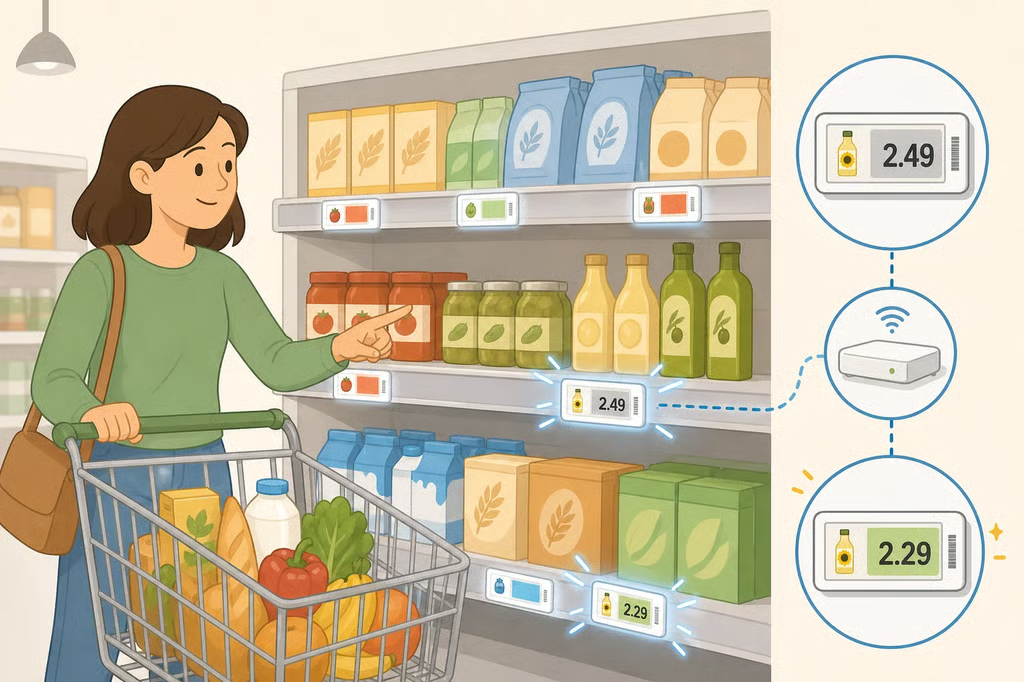
Electronic shelf labels are small digital screens that replace paper price tags. They allow a retailer to update prices through its pricing system instead of sending employees through the aisles to replace individual labels. As Kellogg Insight reported last year, Walmart and Kroger were among the grocery retailers that announced plans to use the technology.
In plain terms, the label is a faster way to display a price. It does not decide what that price should be.
That distinction matters. A store could use the labels to update many prices at once, but the technology alone does not show whether a retailer is raising prices during busy shopping periods. Retailers have said the purpose is operational efficiency, including reducing the labor involved in pricing and repricing products. The labels could also support faster markdowns on food approaching its expiration date.
Those uses are different from charging more for a carton of eggs simply because more customers are shopping at 6 p.m. Think of the label as a digital calendar: it makes an update easier, but it does not determine the appointment being added.
The concern still had a reasonable starting point. Digital tags make rapid changes possible, and lawmakers sent letters to large grocery retailers in 2024 asking how the technology would be used. In theory, the same system could support price changes during holidays, peak shopping periods, or other moments of higher demand.
The practical question is whether that possibility has shown up in grocery transaction data.
Do digital price tags cause grocery store surge pricing?
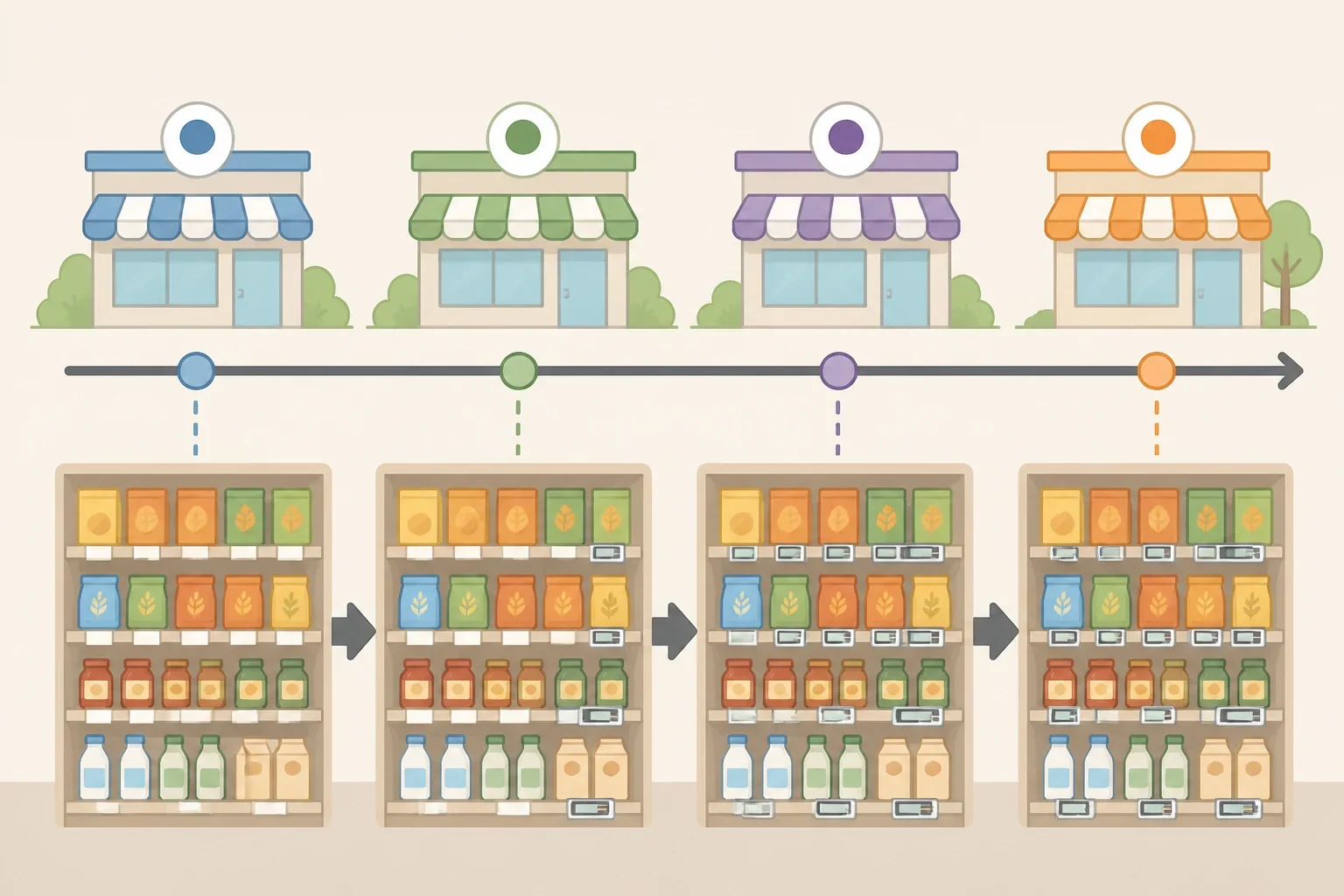
Dynamic pricing changes a posted price over time or in response to context. Personalized pricing or discounting is different: it changes what a particular shopper is offered based on information about that shopper. The two ideas are often blended together, but the available grocery study examined the first one.
Researchers analyzed transaction records from 114 stores belonging to one unnamed major U.S. retailer across four states. The data covered nearly 400 million transactions involving about 200,000 products in 23 departments from July 2019 through July 2024. The retailer introduced digital labels in staggered waves beginning in October 2022. Kellogg Insight reported on the study last year.
The pattern of temporary price increases barely changed. On a typical day, temporary increases affected 0.005% of products before the rollout and 0.0056% afterward, a difference the researchers described as nearly negligible. That is useful evidence about the retailer and stores studied, not a guarantee about every grocery chain.
Robert Bray, an associate professor of operations at Northwestern’s Kellogg School and one of the study’s authors, said the stable pricing reflected a business decision rather than a technical limitation. In other words, the labels gave the retailer more flexibility, but the retailer did not appear to use that flexibility for widespread short-term price spikes during the period examined.
The finding has clear boundaries. It does not prove that prices can never change while a customer is shopping. It does not establish that every retailer has made the same choice. And it does not rule out other uses of pricing technology, especially tools that manage promotions or customer-specific offers.
It does answer the most alarming version of the question. At the retailer studied, the arrival of electronic shelf labels was not followed by a meaningful increase in temporary price changes. A digital tag is not, by itself, evidence that a grocery store is charging Uber-style fares.
Why grocery stores are different from Uber
Airlines, hotels, and rideshare services face conditions that make real-time demand pricing more familiar. A hotel room or airplane seat is tied to a particular date and limited inventory. A rideshare trip also depends on the number of available drivers and the number of people requesting rides at that moment.
Grocery stores operate differently. Products remain on shelves, shoppers can compare nearby brands, and customers may switch stores when prices feel unreasonable. Kellogg researcher Meghan Sanders described grocery retail as “inherently different” from industries with sharper, more immediate demand swings.
The researchers also noted that supermarkets may not have enough fine-grained, product-by-product information to make constant price optimization worthwhile. A retailer could technically change the price of one item, but that does not mean the change would produce enough value to justify the risk of frustrating shoppers.
That is why the transaction study is helpful. It moves the conversation away from what the labels could do in theory and toward what happened in a large set of real purchases at one retailer.
Where personalized grocery pricing enters the picture
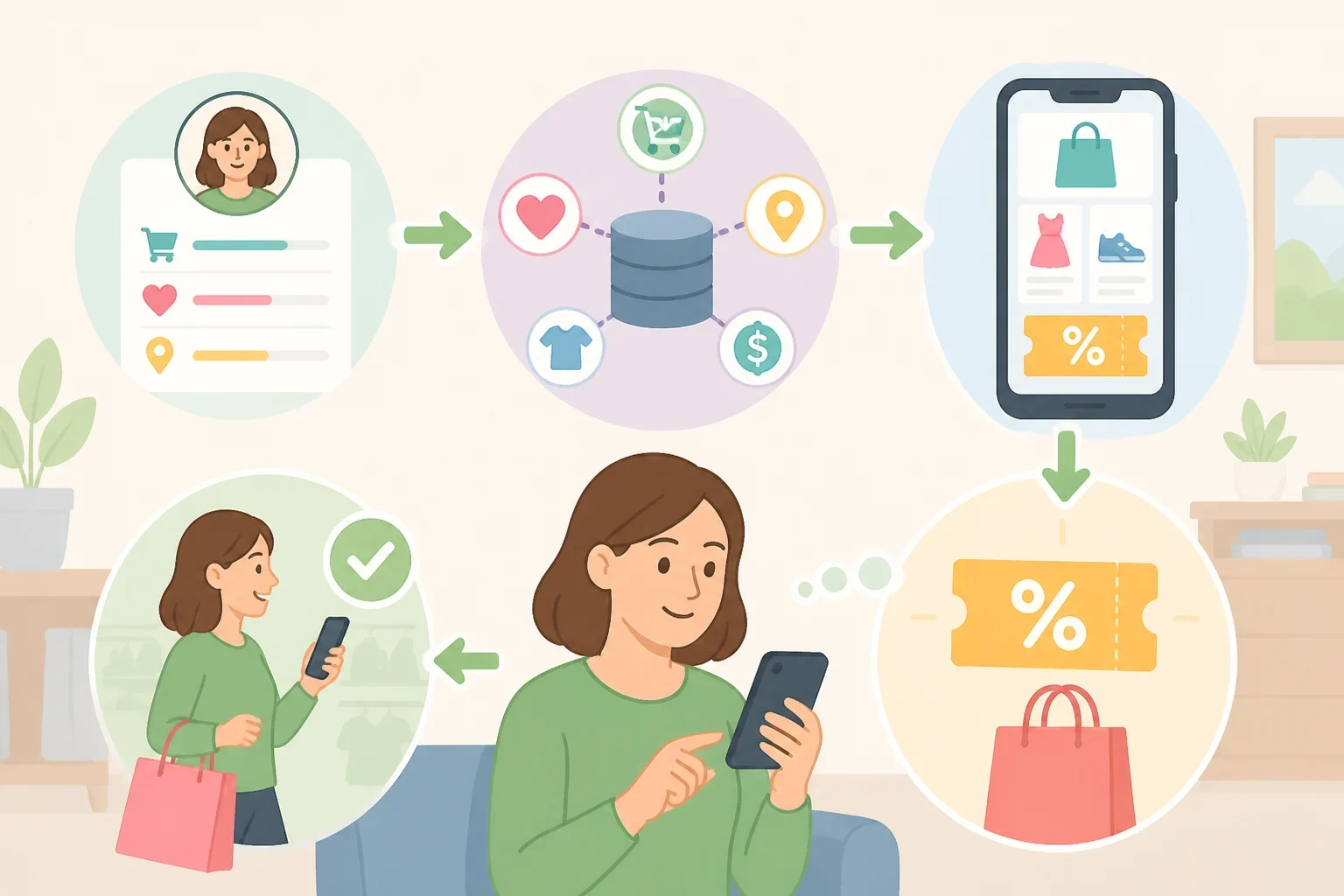
The Federal Trade Commission’s surveillance-pricing work raises a separate question. The agency examined third-party intermediaries and the tools they provide to businesses, rather than publishing a list showing that Walmart, Kroger, or another named grocery chain is charging different in-store shelf prices to different customers.
An intermediary may help a business analyze customer information, set prices, organize promotions, or decide which products shoppers see. The FTC’s initial findings described tools that can use information such as location, demographics, browsing behavior, purchase history, and other consumer activity. The agency also said the intermediaries it examined worked with at least 250 clients across industries including grocery and apparel. The Federal Trade Commission’s initial findings were released in January 2025.
The agency’s materials covered a range of possible uses. Some tools supported general store-level pricing. Others could personalize online product displays, rankings, promotions, or prices. The FTC also noted that the information it released had been aggregated or anonymized and included hypothetical examples. That means the findings describe capabilities and practices reported by intermediaries, not confirmed current behavior by every grocery retailer.
A loyalty account can fit into this broader data ecosystem, but the supplied evidence does not prove that a particular grocery store is using account information to set an individualized shelf price. The more familiar example is a targeted coupon: the standard price remains visible, while one shopper receives a discount that another shopper does not.
That can produce different effective prices for the same product without changing the shelf tag. It also makes the deal harder to evaluate because the shopper has to know the regular price, the loyalty requirement, the coupon rules, and whether the discount will apply at checkout.
The financial incentive is real, although the figures came from respondents’ descriptions and claims rather than an independent finding that every tool produces those results. Multiple respondents said their tools supported revenue growth of 2% to 5%, and multiple respondents claimed margin increases of 1% to 4%. FTC research summaries reported those ranges last year.
For a household budget, the concern is less about a cereal price changing as a shopper reaches for the box and more about whether an offer is transparent enough to compare.
How to avoid dynamic pricing at grocery stores
There is no evidence in the supplied research that clearing cookies, using an incognito browser window, or shopping at a particular time prevents in-store grocery price changes. Those tactics may sound like practical defenses against personalized pricing, but the available grocery transaction study did not test them.
The safeguards supported by the evidence are more ordinary, and more useful at checkout.
Compare the standard, loyalty, and unit prices
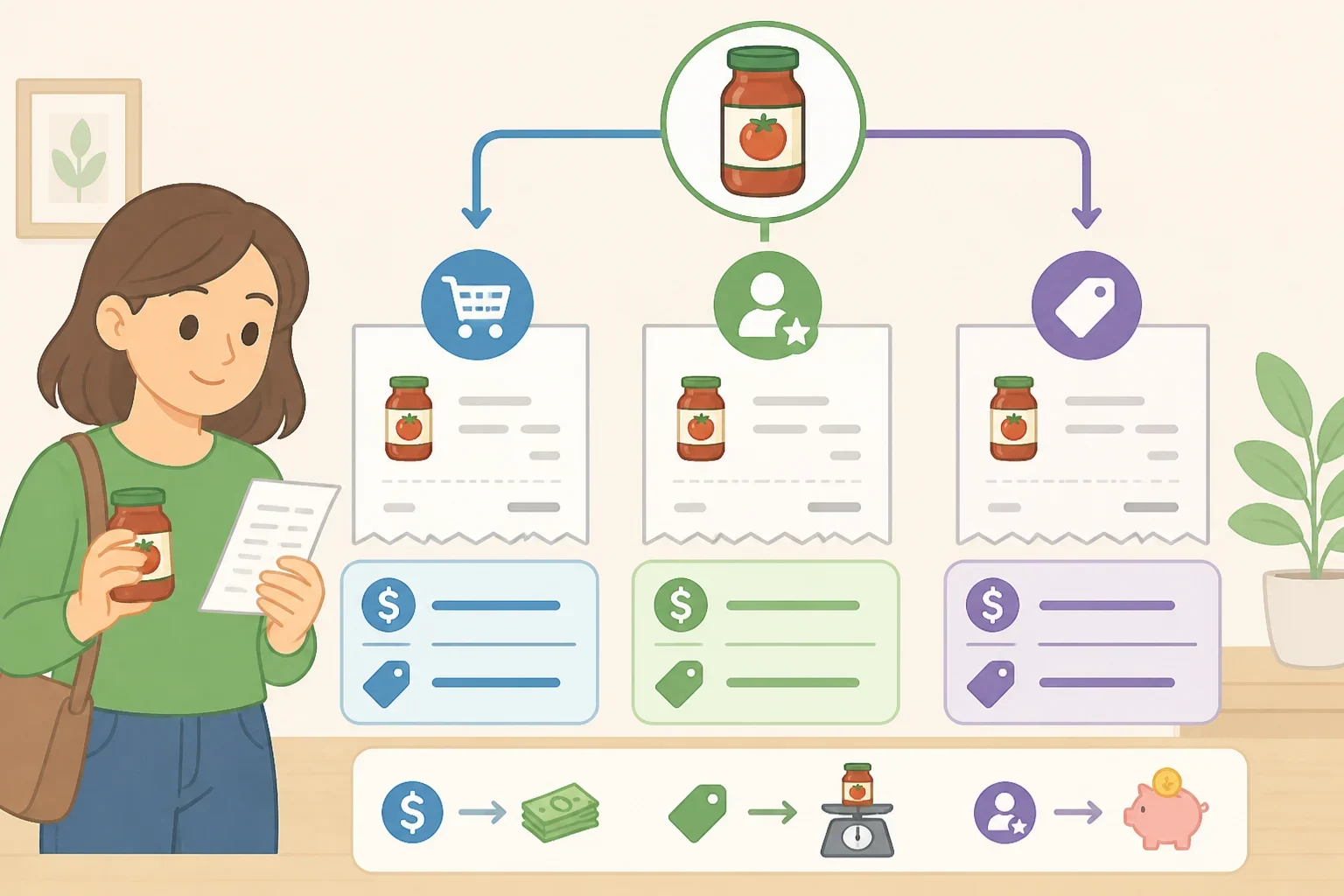
Start by identifying which price is actually posted. A digital display may show a regular price, a member price, an app-only coupon, or a discount that requires buying a certain quantity. Those offers are not interchangeable.
Then compare the unit price, such as the cost per ounce, pound, liter, or individual item. The unit price can reveal whether a promotion is worthwhile when package sizes differ. The FTC has also raised concerns about illusory markdowns, including promotions that appear deep because a price was marked up before the discount. Its issue spotlight on surveillance pricing described that risk.
A lower-looking sale price is not automatically a lower cost for the amount of food being purchased.
Confirm how the offer applies
If a discount requires a loyalty account, digital coupon, or minimum quantity, check those conditions before putting the item in the cart. The question is not only “Is this on sale?” but also “What has to happen for this price to apply?”
A coupon delivered through an app may keep the nominal shelf price the same while changing the final amount paid by the shopper who uses it. That is a different issue from a price tag changing during the trip, but it still affects the household total.
Check the receipt before leaving
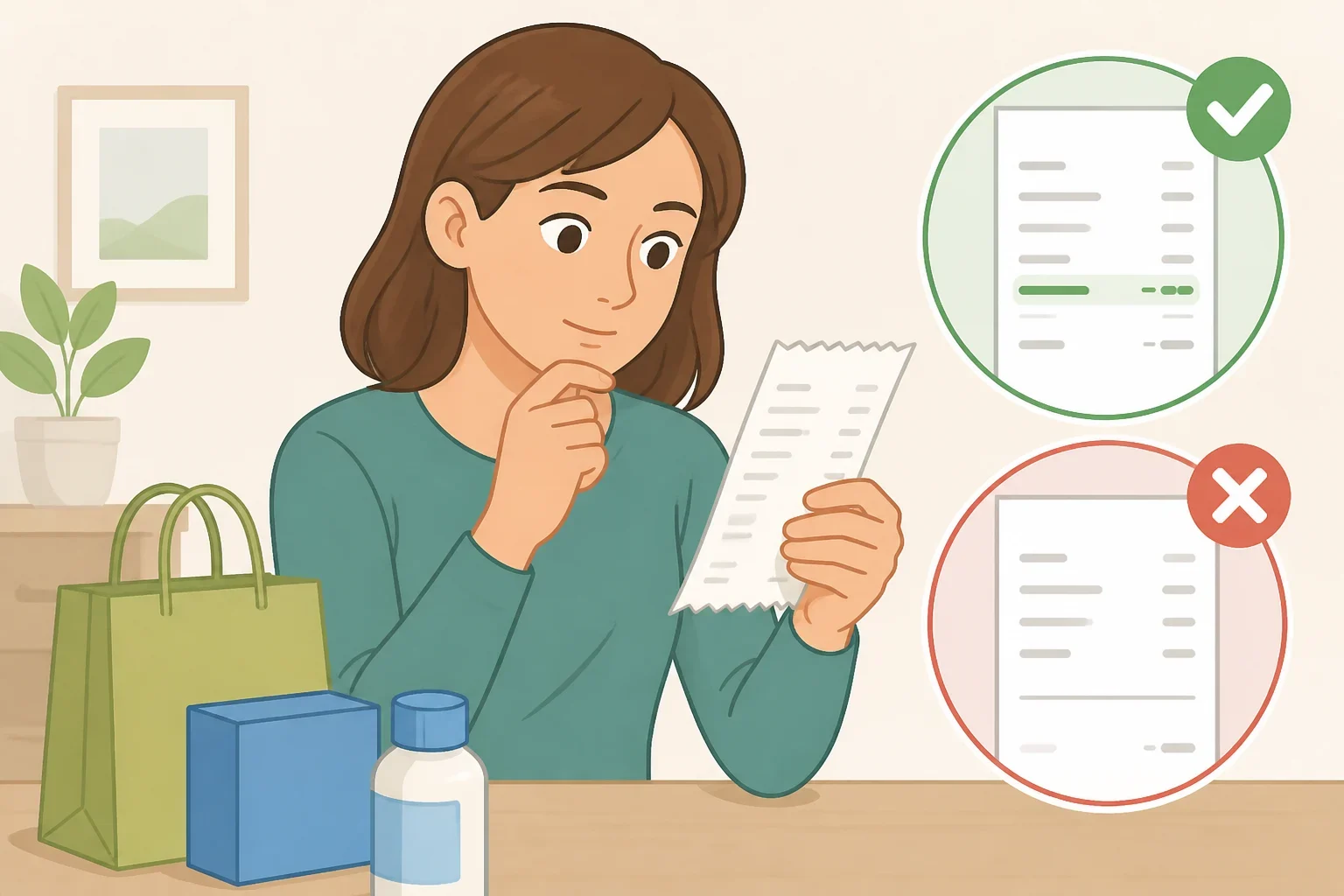
Review a few higher-cost items and any product purchased under a promotion. If an expected discount is missing, asking about it before leaving is usually simpler than trying to reconstruct the transaction later.
This step does not prevent a retailer from using a pricing tool. It gives the shopper a clear record of the price that was actually charged and a chance to question an offer that did not apply as expected.
Weigh loyalty savings against the data trade-off
A loyalty program may be worthwhile for a household that uses its discounts regularly. It may be less appealing when the savings are small, the conditions are difficult to follow, or the account requires information the household would rather not share.
The FTC materials describe data collection connected to activities such as registering an account, signing up for emails, and completing purchases. They also describe tools that can use consumer information for pricing, promotions, product rankings, or advertising. That does not establish how any particular grocery chain uses its loyalty data, but it gives shoppers a reasonable question to ask: Is the discount clear enough, and valuable enough, to justify the account?
The FTC has said the potential harm from surveillance pricing is greatest when the price is opaque and shoppers have difficulty comparing it with a standardized price. The agency’s update on surveillance pricing made that point in January 2025.
That is a useful household rule. If the price is difficult to understand, impossible to compare, or available only after sharing more information, pause before treating it as a bargain.
Digital shelf labels are a reason to read the price carefully, not proof that groceries are being surge-priced. The largest available transaction study found no meaningful increase in temporary price changes at the retailer it examined. For shoppers, the practical response is to compare the regular, loyalty, and unit prices, confirm how a promotion works, and check the final total before heading home.
