
How to Fix Bland Soup: The Late-Spice Trick That Restores Flavor Fast
A pot of soup can simmer for hours and still taste oddly flat. That does not mean dinner is ruined. The best way to learn how to fix bland soup is to taste before reaching for the salt, decide whether the problem is muted spice, low seasoning, or heaviness, and make one small adjustment at a time.
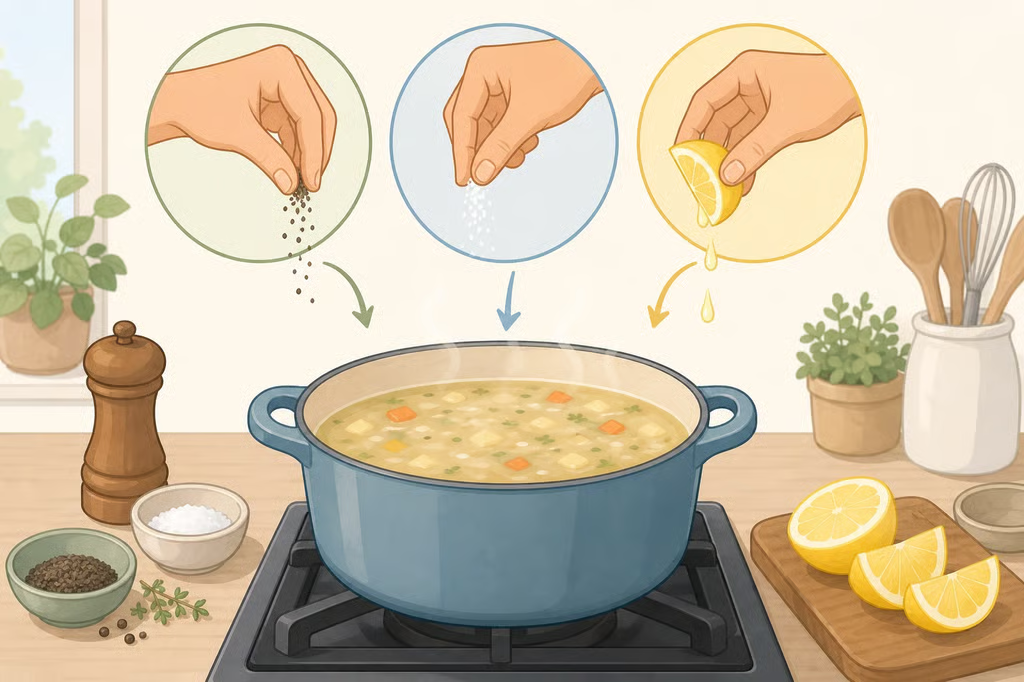
For many long-simmered soups, the answer is a fresh pinch of the spices already in the pot. Add them near the end of cooking, stir thoroughly, let the soup settle, and taste again. The late addition brings back a more noticeable spice profile without forcing the entire pot to absorb a large amount of seasoning from the start.
The same process works when learning how to revive bland stew. The key is restraint. Add a little, stir, wait, taste, and repeat only when the soup still needs help.
Why soup loses flavor after simmering
Long cooking changes the character of a soup. Vegetables, herbs, and spices soften as they cook together, creating a rounded flavor but losing some of the sharper notes they had at the beginning.
Dry spices can be especially easy to lose track of. They are still in the pot, but their presence becomes quieter after extended heat. That is why adding more of the original spice blend near the end can work better than doubling the amount at the beginning.
Starting with too much spice can leave a broth dusty or grainy, particularly when the soup is meant to be smooth. A smaller late addition has less time to fade. It also has a few minutes to blend into the broth and lose the raw edge that freshly added ground spices can sometimes bring.
Timing matters for lemon, too, although lemon plays a different role. Lemon added early becomes softer and more integrated. Lemon stirred in just before serving stays brighter and gives the soup a clearer finish. Choose the timing based on whether the soup needs a blended acidity or a sharper lift.
How to season soup at the end
Use this method when the soup tastes muted but its basic flavor is already on the right track.
-
Taste the soup before changing it.
Spoon a little into a bowl and let it cool enough to taste comfortably. Hot soup can be difficult to judge, and a sample straight from the pot may not give your palate a clear read. -
Identify the spices that built the base.
Check the recipe or remember what went into the pot. If the soup began with cumin, paprika, black pepper, chili powder, oregano, or another ground spice, use a small amount of that same seasoning. Reinforcing the existing flavor direction is safer than adding several unrelated spices at once. -
Add a small pinch near the end.
Sprinkle the spice into the soup during the final part of cooking. Keep the amount modest, especially with a thin broth or a small pot. A thick soup with tomatoes, beans, pasta, and vegetables can usually carry a more assertive adjustment than a delicate broth. -
Stir thoroughly.
Ground spices can collect in one spot instead of dispersing immediately. Stir from the bottom and around the sides of the pot so the seasoning moves through the broth and between the solid ingredients. -
Wait before tasting again.
Give the soup a moment to simmer and then stir once more. Tasting immediately can give you a concentrated mouthful of spice, followed by a bland spoonful from another part of the pot. -
Repeat only if necessary.
Add another small pinch if the soup still tastes muted. Once spice is in the pot, it cannot be removed, so a gradual correction gives you much more control.
The soup should smell more pronounced and taste defined without a powdery aftertaste. If it becomes sharp, dusty, or hotter than the rest of the ingredients, stop adding spice. More seasoning will not necessarily make the pot more balanced.
Match the adjustment to the soup
A light, brothy soup needs a gentle hand. A little extra pepper or a small amount of the original herb-and-spice blend may be enough to make the flavor feel complete.
A chunky minestrone has more ingredients competing for attention, so it can handle a stronger adjustment. The tomatoes, beans, pasta, and vegetables give the seasoning room to settle into the whole pot.
A new complementary spice can work when the base allows it. A pinch of cinnamon or ginger can add warmth to a savory butternut squash soup. Treat that as a deliberate variation, though, not a universal rescue move. If the original seasoning is already close, refreshing it is usually the more reliable choice.
How to add flavor to bland soup when spice is not the problem
Not every flat soup needs more spice. Salt helps the other flavors register, while acid can cut through richness and give a heavy soup a clearer finish. The right correction depends on the kind of blandness in the spoonful.
Add salt when the whole soup tastes dull
Salt should not make the soup noticeably salty. The goal is to make the existing flavors easier to taste.
Start with a small pinch, stir it completely into the soup, and taste again. If the flavor is still dull, add another small amount and repeat. This is especially useful when the soup has reduced, since the liquid becomes more concentrated as water evaporates.
Taste the broth and the solid ingredients together. Stir before every sample, and remember the salt already present in seasoned broth, canned ingredients, cured meat, or other prepared components. Stop when the flavors become clearer. Do not keep adding salt simply because the soup does not taste strongly salty.
Salt is also not an adjustment to make automatically. If sodium is a concern, test the soup for spice or acid first. Personal dietary needs vary, so follow a clinician’s advice when necessary.
Add lemon when the soup tastes heavy or muddy
Acid can sharpen a rich soup without making it taste sour, provided it is added gradually. Start with a small squeeze, stir, and taste before adding more.
Lentil soup is a natural fit for a last-minute lemon finish. The citrus can make earthy lentils taste more defined and help the spices seem brighter. A final squeeze can also balance richness in a hearty stew when lemon suits the other ingredients.
If the soup already tastes sharp, acidic, or thin, lemon is probably not the answer. Vinegar can be even more direct, so do not treat it as a universal fix. Use it only when its flavor belongs in the recipe, and add a very small amount.
A quick diagnosis before serving
Use the spoonful in front of you to choose the first adjustment:
- Muted but otherwise balanced: Refresh the original spices near the end of cooking.
- Dull from edge to edge: Add a small pinch of salt, stir thoroughly, and taste again.
- Rich, heavy, or earthy without definition: Try a little lemon at the end if the soup suits citrus.
- Too salty: Do not add more seasoning automatically. Taste the soup again after stirring and consider whether the other flavors are genuinely missing or simply being masked.
- Still flat after one correction: Make the next adjustment separately. Add a little salt, taste, and then decide whether the soup also needs spice or lemon.
That last point matters. Adding salt, several spices, and lemon all at once makes it difficult to tell what helped. It can also turn a small problem into an over-seasoned pot.
How to revive bland stew
Stew needs the same careful approach, with one extra consideration: thick mixtures need more stirring. Taste a spoonful with the meat or vegetables rather than sampling only the liquid. The balance can be different from one part of the pot to another.
If the stew has simmered long enough for its original spices to fade, add a modest amount of the existing seasoning near the end instead of doubling the amount at the beginning. For a rich stew, a little lemon may provide contrast when it fits the ingredients. If every flavor seems quiet, test salt first.
Do not make several changes between tastings. Add a little, stir from the bottom, wait, and taste. That sequence protects the texture and keeps a restrained correction from becoming a second problem.
The next time a long-simmered pot tastes disappointing, do not assume it needs more of everything. Decide whether the soup needs a late spice refresh, a careful pinch of salt, or a bright finish of lemon. Small adjustments, made separately, are the simplest way to make soup taste better and bring a flat pot back to the table.
