
How to Prepare Your Home for a Storm: 5 Steps
Knowing how to prepare your home for a storm starts with the alert, not the toolbox. Check local warnings and evacuation instructions first, then handle only the preparation that can be done safely. Flash floods can arrive without warning and can cause outages, disrupt transportation, damage buildings, and create landslides, according to Ready.gov.
This storm preparedness checklist for homeowners covers five repeatable actions for thunderstorms, hurricanes, flooding, and winter storms. Some tasks belong on a calm-week list, including insurance checks, tree maintenance, and document storage. Others happen when a watch is issued. Once lightning, high winds, or floodwater arrives, preparation stops and safety takes over.
What to do before a storm at home
1. Prepare during calm weeks
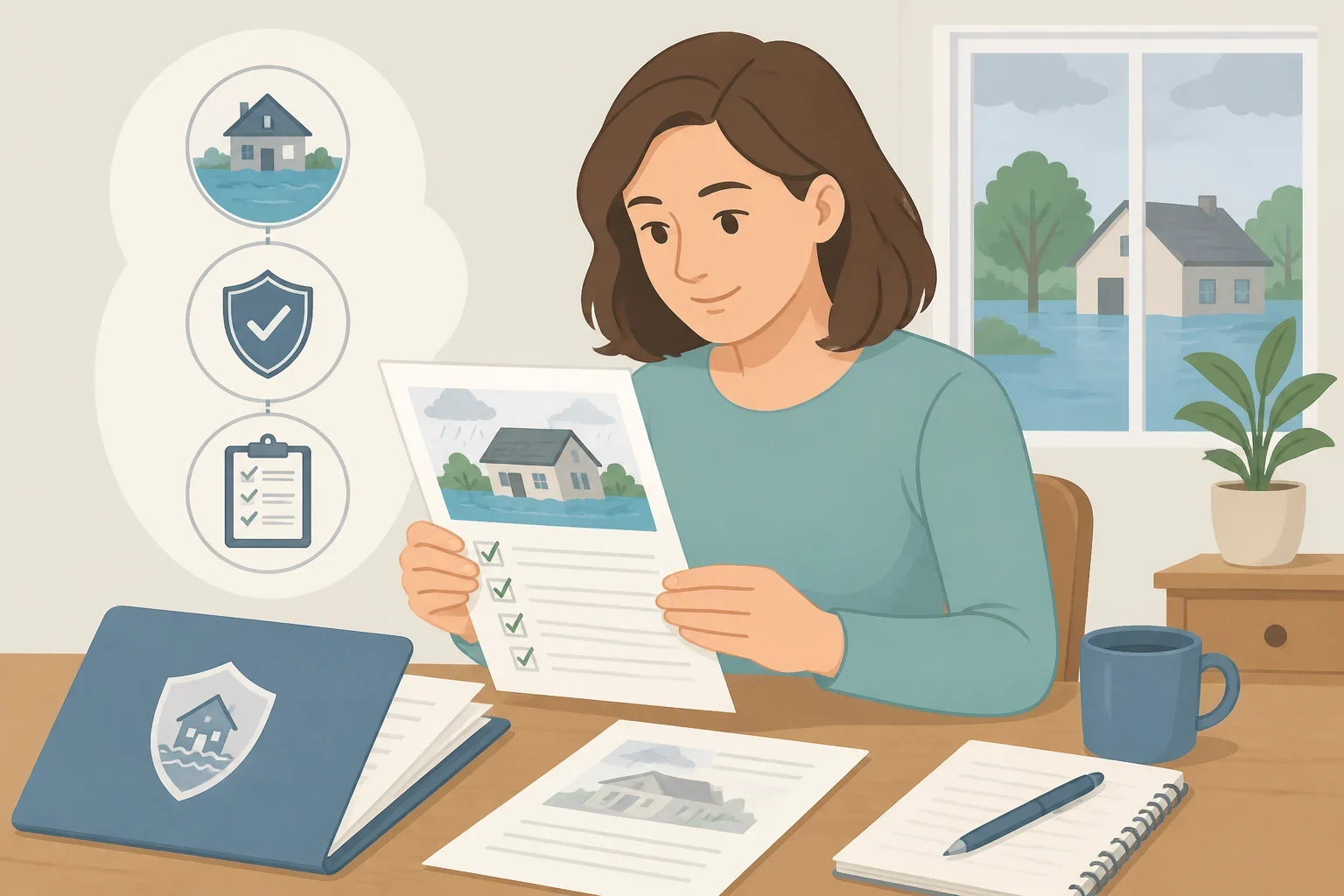
Start with the jobs that need lead time. Check whether the home has flood coverage, review the policy with the insurer, and find out what protection applies to the building and belongings. Homeowners insurance does not cover flooding, and flood insurance can take up to 30 days to take effect, so buying a policy during storm week may be too late, Ready.gov advises.
Coverage needs vary by household and home type. Renters, homeowners, and people in different areas may not have the same risks or policies, so treat this as a prompt to review the coverage, not as a replacement for insurance guidance. Check the FEMA Flood Map Service Center to understand flood risks in the area, while remembering that flooding does not follow map lines neatly.
Use calm weather for basic maintenance. Declutter drains and gutters so rain can move away from the house, move valuables to higher levels when flooding is possible, and consider flood-specific measures such as check valves or a sump pump with a battery, as Ready.gov recommends.
Look at the trees around the house, too. Trim or remove limbs that could fall on the home before storm conditions develop. Ready.gov recommends cutting down or trimming trees that may be in danger of falling on a home.
For a roof, ladder, heavy object, or unfamiliar equipment, arrange professional help. A calm-weather maintenance task is not worth a fall or injury, and there is no reason to wait until a storm is approaching to handle it.
2. Build the household plan and monitor alerts
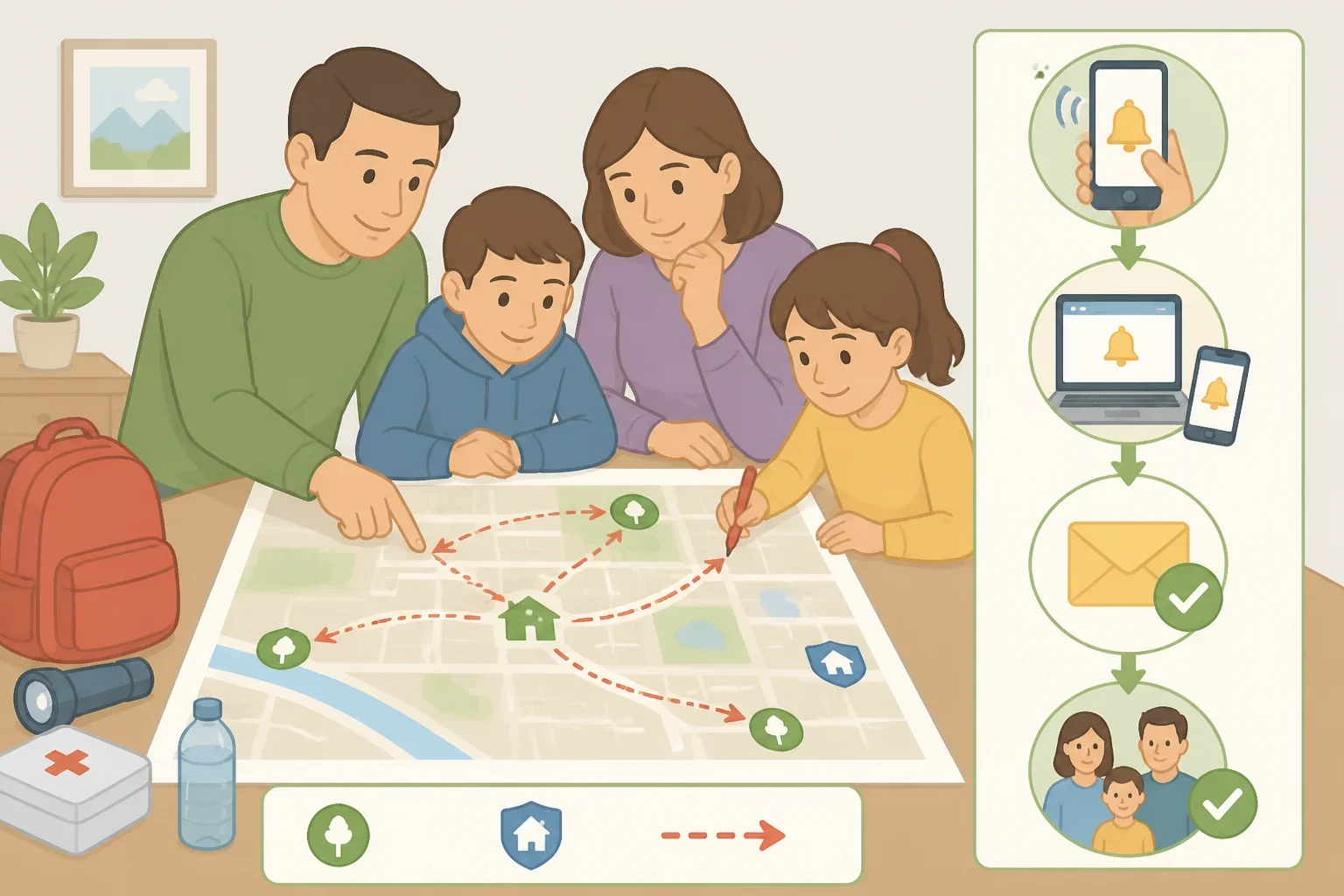
Sign up for the community warning system before a storm is forecast. Keep the Emergency Alert System, or EAS, in mind, and consider a National Oceanic and Atmospheric Administration, or NOAA, Weather Radio for emergency updates. Ready.gov lists all three as ways to receive alerts.
Make the plan specific to the household. Decide where people will meet, where pets will go, what medications need to leave first, and which sturdy building or shelter is available if the home becomes unsafe. Flood guidance from Ready.gov recommends practicing evacuation routes, shelter plans, and flash-flood responses.
Learn what the alerts mean before one appears on a phone. A Winter Storm Watch is usually issued 12 to 48 hours before a storm begins. A Winter Storm Warning is usually issued 12 to 24 hours before hazardous winter weather is expected, and people under one should find shelter right away, according to Ready.gov.
Hurricane watches and warnings use different timing. A hurricane watch means conditions are possible within 48 hours, while a hurricane warning means conditions are expected within 36 hours, according to the Ready.gov hurricane toolkit. The specific hazard matters, but the basic response is the same: read the alert carefully and follow local officials.
If officials order an evacuation, leave. That instruction applies whether the household rents or owns the home. Take pets, medications, and essential documents, and do not delay departure to finish a checklist.
3. Finish the exterior check while conditions are calm
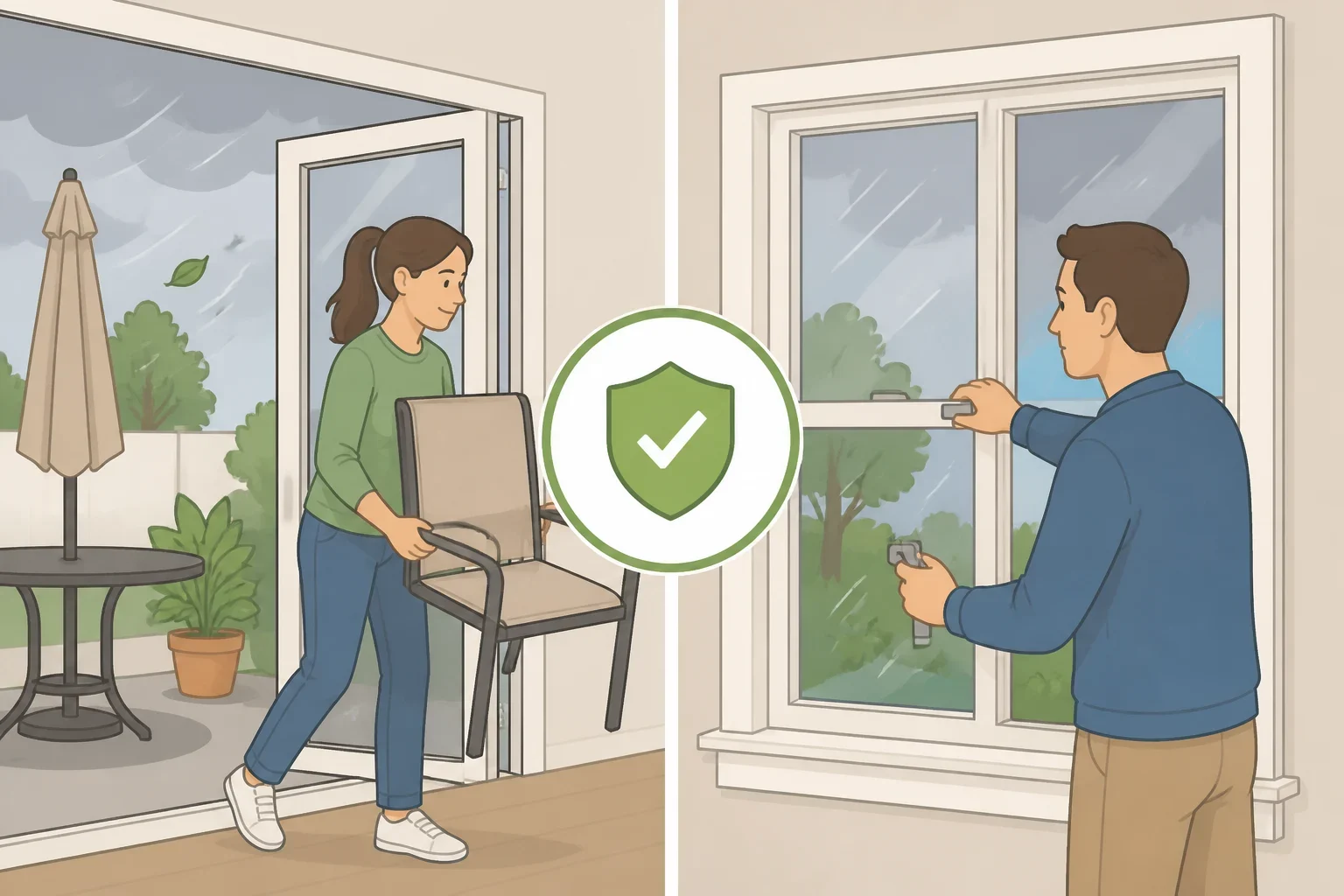
When a watch is issued and conditions are still calm, complete a short exterior check. Bring attention to anything that could make the home less safe, including trees that threaten the house, blocked gutters, and objects that may obstruct drains.
Lock windows and doors. If the home has hurricane shutters, close them according to the manufacturer’s instructions. Do not tape windows. Tape will not protect glass from shattering and can make the shards larger and more dangerous, according to the storm-preparation guidance summarized by Ready.gov.
Do not rush onto a roof or climb a ladder because a storm is approaching. If wind, thunder, or lightning has started, leave exterior tasks alone. When thunder roars, go indoors, and avoid using electronic devices connected to an electrical outlet or running water, Ready.gov advises.
Follow local instructions about utilities. If officials direct residents to shut off water, gas, or electricity, contact the utility provider for help. When instructed to do so, unplug radios, televisions, and small appliances, while leaving the refrigerator and freezer plugged in, according to Ready.gov.
4. Prepare for an outage without creating a new hazard
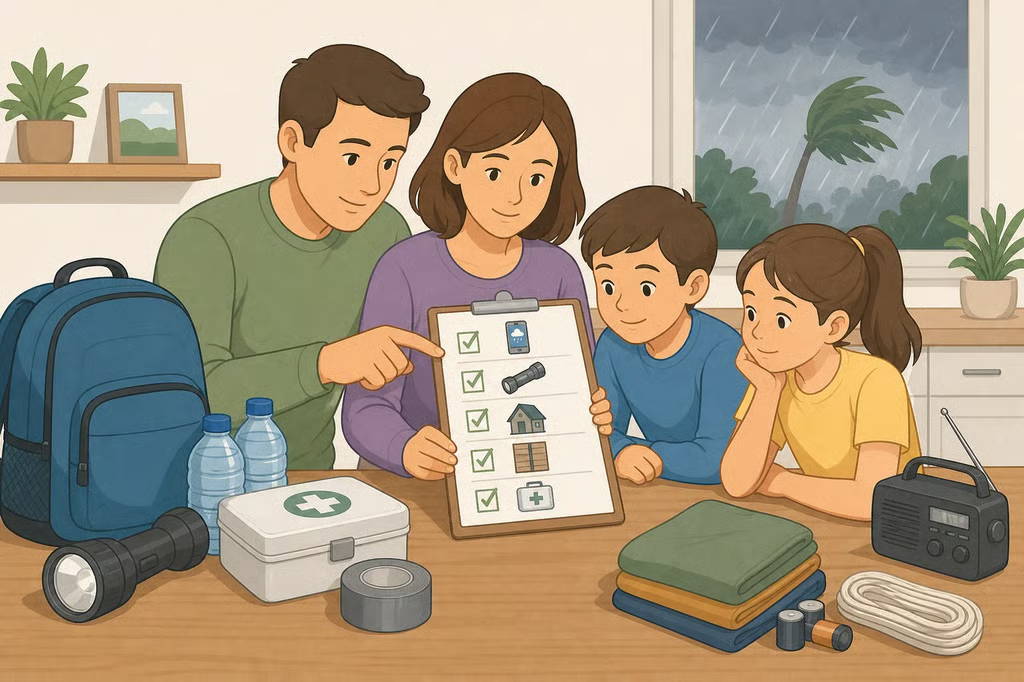
Charge necessary devices before the power fails. Gather flashlights, radios, extra batteries, water, nonperishable food, cleaning supplies, medications, and pet supplies. Winter-weather guidance recommends preparing to stay home without power for several days and accounting for each person’s specific needs, including medication and pet care, Ready.gov says.
Keep extra cash with the emergency supplies if an extended outage is possible. ATMs and credit card machines may not work during a prolonged hurricane-related outage, according to the Ready.gov hurricane toolkit. Start with the needs already present in the household rather than turning preparation into an expensive shopping trip.
Test smoke alarms and carbon monoxide detectors before the storm. Install working carbon monoxide detectors on every level of the home and use battery backups for alarms and detectors. Carbon monoxide is colorless and odorless, and it can kill people and pets, Ready.gov cautions.
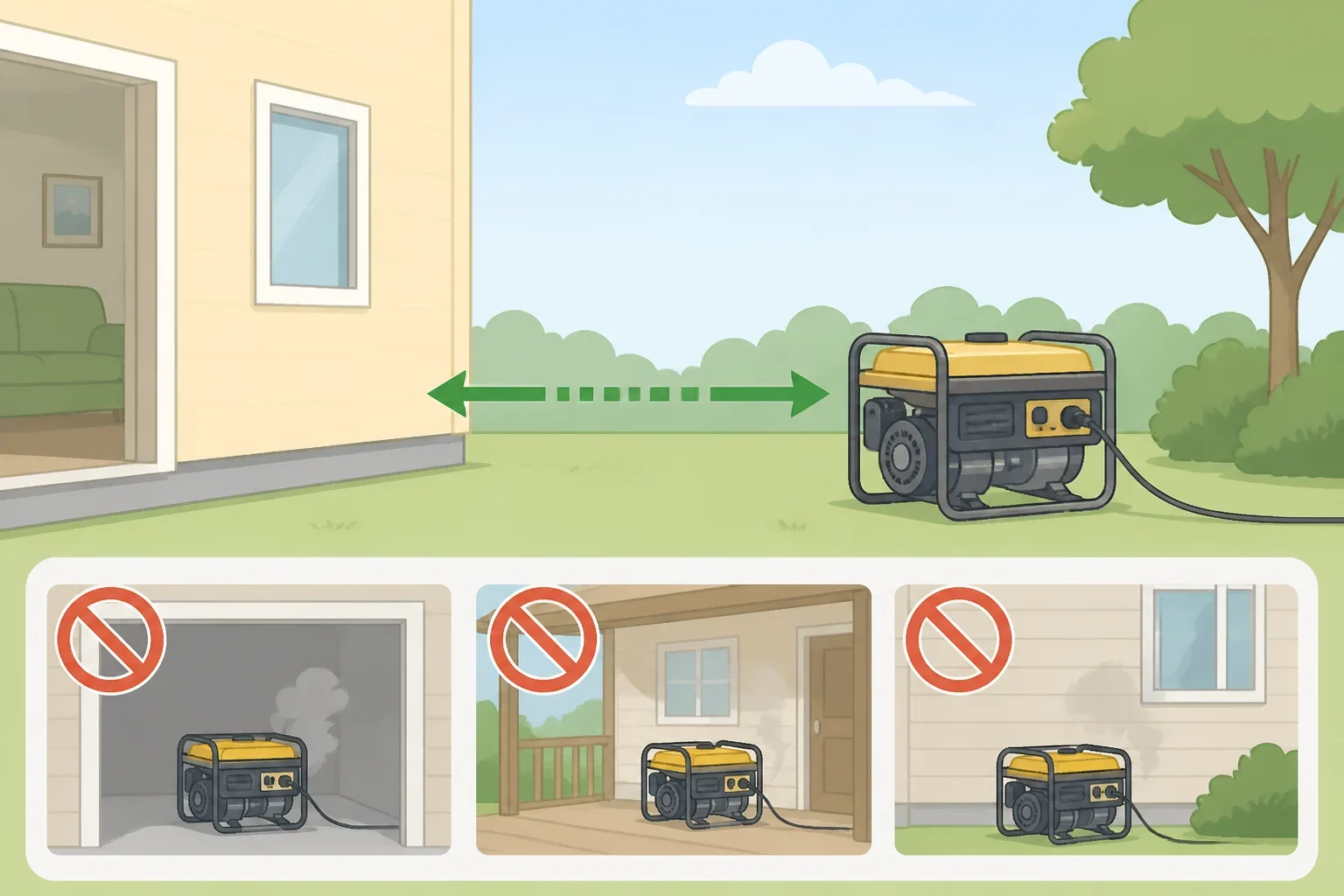
If using a generator, keep it outdoors and at least 20 feet from windows, doors, and attached garages. Keep it dry and protected from rain or flooding. Connect it to appliances with heavy-duty extension cords, let it cool before refueling, and follow the manufacturer’s instructions.
Never use a generator or grill indoors, and never heat the home with a gas stovetop or oven. Those shortcuts can cause carbon monoxide poisoning, fires, burns, or appliance damage. A power outage is inconvenient; an improvised heating method can make it much worse.
Winter storms can cut heat, power, and communication services and can raise the risk of hypothermia and carbon monoxide poisoning. Stay off roads if possible, limit time outside, and keep warm clothing and blankets accessible.
5. Protect documents and prepare for flooding
Before a storm, place insurance policies, deeds, birth certificates, leases, and other essential documents in a waterproof container. Store originals on a high shelf or upper level, create password-protected digital copies, and take the originals when evacuating if possible. Ready.gov recommends waterproof document storage and protected digital copies.
These preparations matter for renters as well as homeowners. A lease, insurance policy, or identification document may be needed after a disaster, and replacing paperwork is harder when services are disrupted.
If flooding begins, do not walk, swim, or drive through the water. Six inches of moving water can knock a person down, and one foot of moving water can sweep away a vehicle, according to Ready.gov. Never drive around barricades, and stay off bridges over fast-moving water.
Follow the instruction that matches the situation. Evacuate immediately if officials say to leave. If directed to shelter, move to higher ground or a higher floor. Do not climb into a closed attic to escape rising water, because the space can trap you.
Return home only when authorities say it is safe. Avoid touching wet electrical equipment or standing in water near it. If it is safe to do so, turn off the electricity to help prevent electric shock. Floodwater may contain dangerous debris, and underground or downed power lines can electrically charge it.
Cleanup also requires restraint. Wear heavy work gloves, protective clothing, boots, and appropriate face coverings or masks when cleaning mold or debris. Children should not take part in disaster cleanup, and people with asthma, other lung conditions, or immune suppression should not enter buildings with visible or noticeable mold growth, Ready.gov advises.
Make the next storm easier
Storm preparation works best when it is spread across ordinary household routines. During calm weeks, check insurance, maintain the exterior, store documents, and assemble supplies. When a watch arrives, monitor alerts, confirm the household plan, secure what can be handled safely, and prepare for an outage.
When a warning or dangerous conditions arrive, stop the exterior work and follow official instructions. Choose one task to finish this week: sign up for local alerts, test the carbon monoxide detector, store documents safely, or check flood coverage. A small completed task is more useful than a perfect checklist left for the last minute.
