
May 2026 I bond rate: 4.26% explained with 0.90% fixed
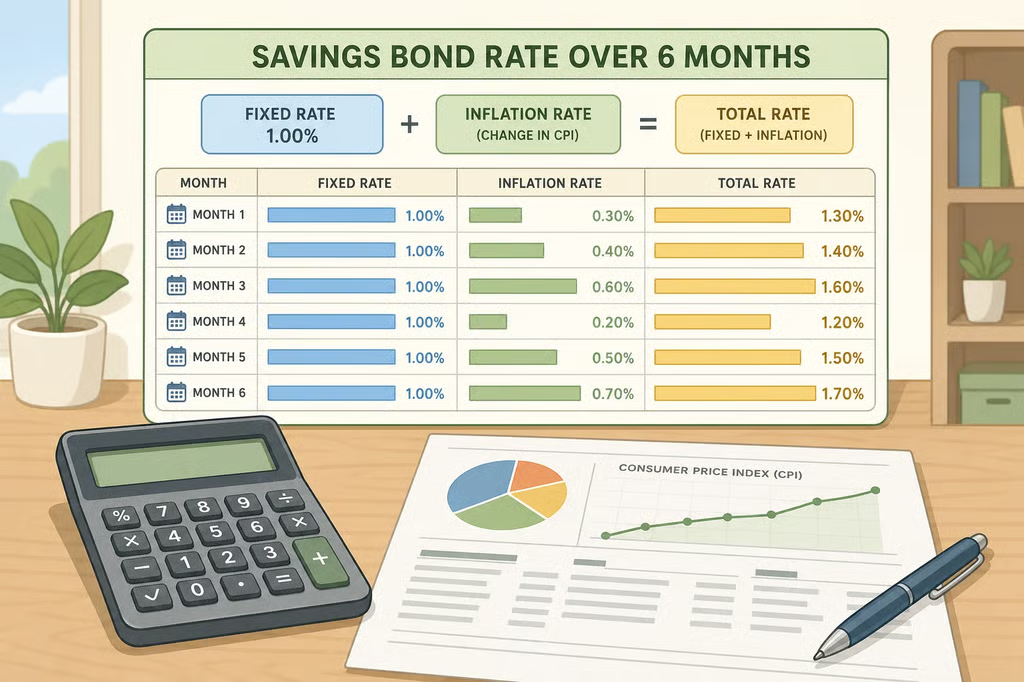
The May 2026 I bond rate is 4.26%, but that headline figure is not locked in for the life of the bond. Series I savings bonds issued from May 1 through October 31, 2026, carry a composite rate made up of a 0.90% fixed rate and a 3.34% annualized inflation rate tied to the Consumer Price Index for All Urban Consumers, or CPI-U, according to TreasuryDirect’s May rate announcement.
The 0.90% fixed rate stays with an individual bond for its 30-year interest-bearing life. The inflation-linked portion changes every six months, so the 4.26% composite rate applies only for the first six months after a qualifying bond’s issue date. It is a rate explainer, not a recommendation to buy or redeem an I bond.
How the May 2026 I bond rate follows the issue date

The rate window and the bond’s issue date are connected, but they are not the same thing. A bond issued during the May-through-October period starts with the 4.26% composite rate for its first six months, even if the next rate reset produces a different published figure.
For example, an I bond issued in August 2026 receives the 4.26% composite rate for its first six months, carrying that initial rate into roughly February 2027. The November reset does not replace that opening six-month period. Afterward, the bond moves to the next applicable inflation adjustment while keeping the 0.90% fixed rate assigned when it was issued, according to the May 2026 release.
That schedule is why the current I bond interest rate can be described as 4.26% without meaning that every I bond will earn 4.26% indefinitely. Savings bond rates are set each May 1 and November 1, but each bond follows the schedule created by its own issue date.
The next scheduled reset is November 1, 2026. It will establish the new terms for bonds issued beginning in the next rate window. Existing bonds will continue through their own six-month periods before receiving the applicable inflation adjustment.
What is permanent, and what changed
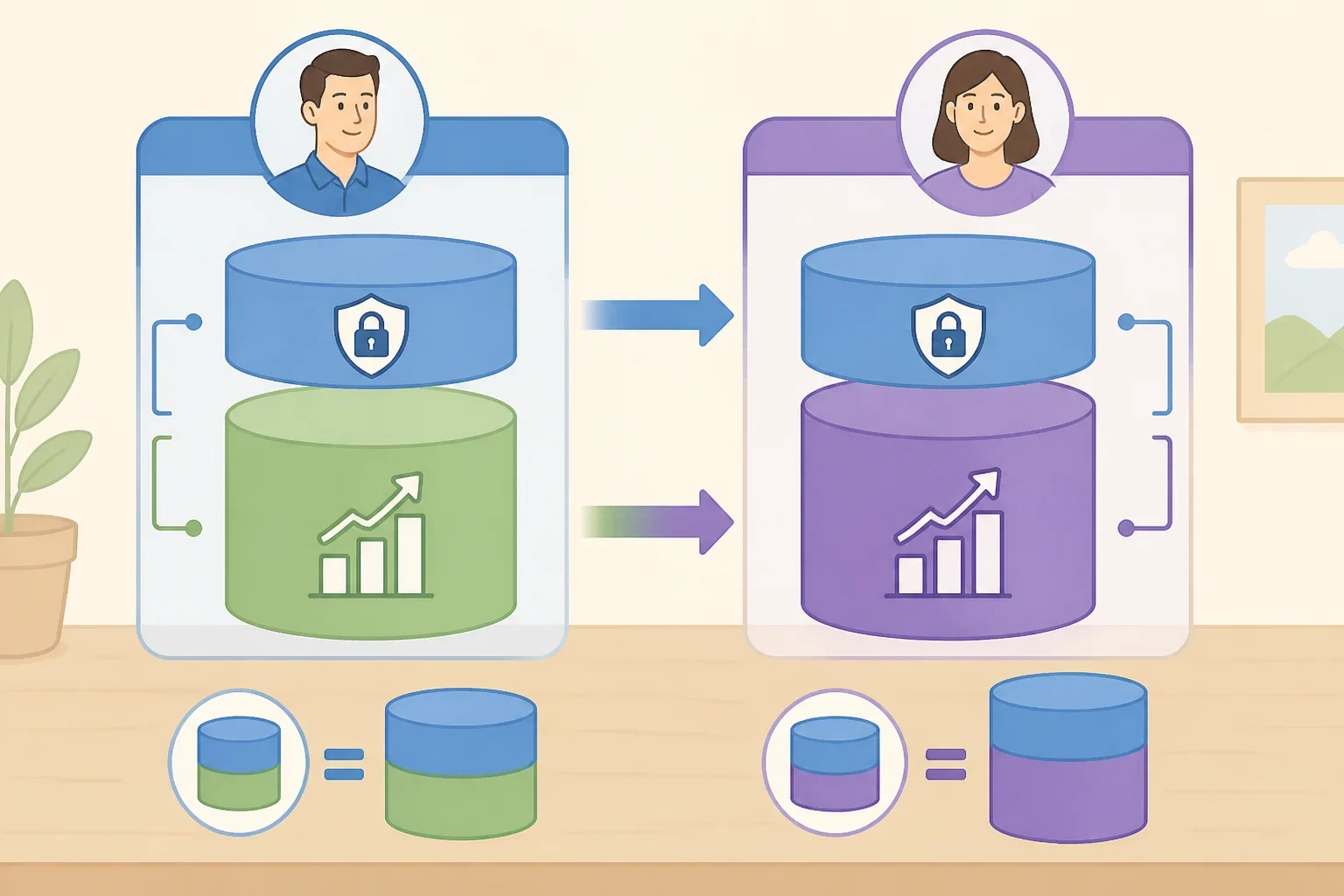
For bonds issued from May through October 2026, the I bond fixed rate is 0.90% for the bond’s 30-year interest-bearing life. The 3.34% inflation component is the temporary part of the opening composite rate, based on the latest six-month CPI-U change, according to TreasuryDirect.
The fixed rate did not increase from the previous reset. It remained 0.90%, while the annualized inflation component rose from 3.12% in the November 2025 rate period to 3.34% in May 2026. The resulting prior composite rate was 4.03%, according to the November 2025 rate announcement.
That comparison keeps the change in perspective. The higher May 2026 headline rate came from the inflation-linked portion, not from a larger long-term guarantee. For a bond issued during the May 2026 window, the portion that remains fixed for the life of the bond is still 0.90%.
The inflation component reflects the CPI-U’s movement over a six-month period. For the May reset, the index rose from 324.8 in September 2025 to 330.213 in March 2026, a six-month change of 1.67%, which Treasury annualized into the published 3.34% inflation component, according to the May 2026 rate release.
The distinction between the index change and the published inflation component is worth keeping straight. The 1.67% figure describes the six-month CPI-U movement. The 3.34% figure is the annualized inflation component used in the composite rate.
TreasuryDirect I bond rates come with fixed product rules
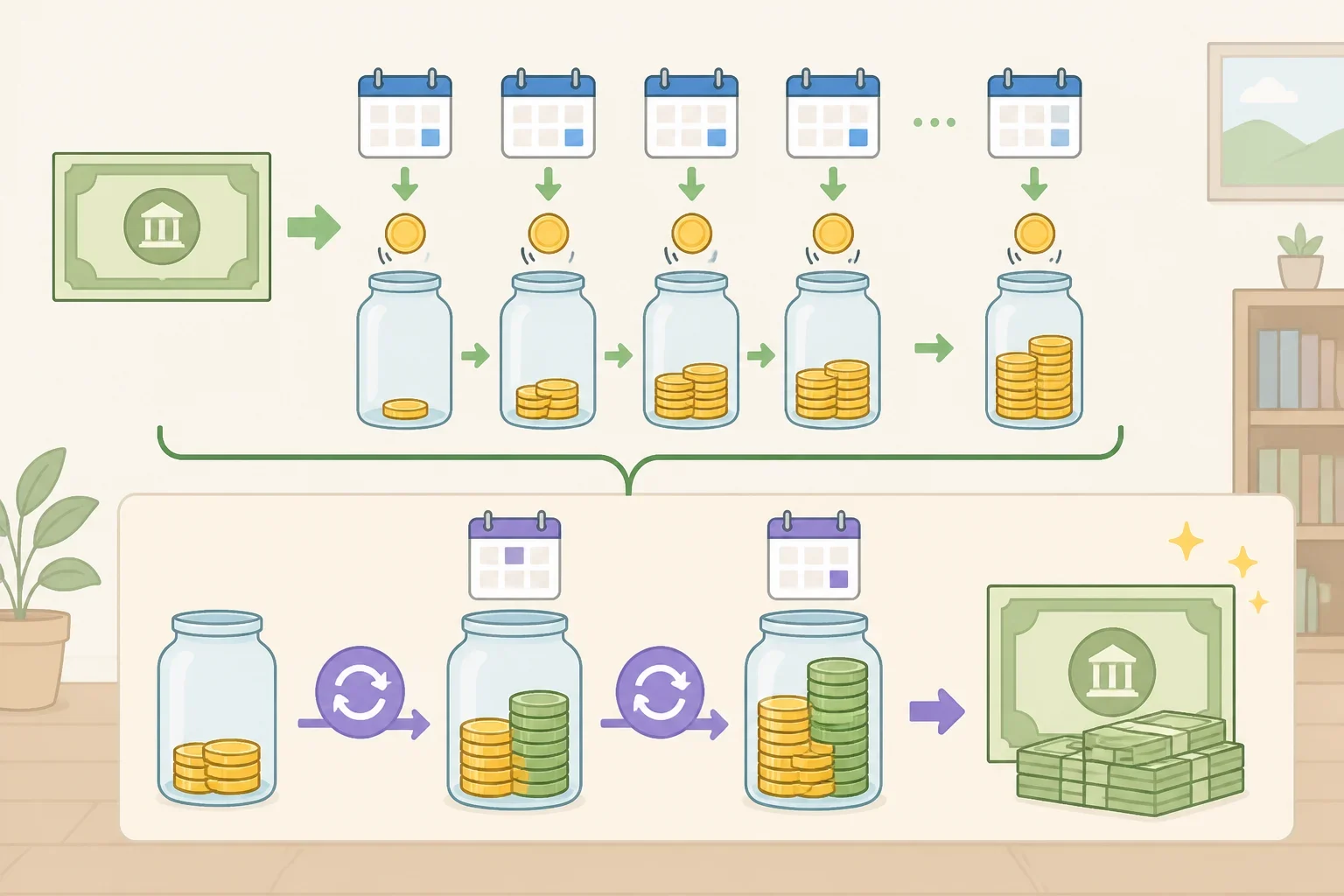
The rate headline is only one part of the bond’s structure. Interest accrues monthly and compounds semiannually, mechanics that remain in place whether the composite rate rises or falls, according to TreasuryDirect.
Series I bonds also have a 30-year interest-bearing life. That does not mean the same composite rate lasts for all 30 years. The fixed portion remains attached to the bond, while the inflation portion is recalculated on the Treasury schedule.
The holding period matters if a reader is considering redemption. Bonds held for less than five years are subject to a penalty equal to three months of interest, according to the May 2026 announcement. That rule is separate from the 4.26% rate and does not change simply because Treasury announces a new inflation component.
Electronic Series I bonds can be purchased through TreasuryDirect, the Treasury’s secure web-based system. Paper Series I bonds have not been available through federal tax refunds since January 1, 2025, according to TreasuryDirect.
Those details are easy to miss when a percentage gets most of the attention. They are also the pieces that remain relevant after the May rate window ends.
What to check before treating 4.26% as your rate

For an I bond issued from May 1 through October 31, 2026, the opening composite rate is 4.26% for six months from the bond’s issue date. The 0.90% fixed rate remains with that bond for its 30-year interest-bearing life, while the inflation component changes with later resets.
The practical first step is to identify the bond’s issue date and fixed rate. An August 2026 bond, for instance, follows its own first six-month period even after the November 1, 2026, reset. A bond bought in a different rate window may have a different fixed rate, so the calendar headline by itself is not enough to describe its long-term terms.
The May 2026 I bond rate is therefore best understood as a starting composite rate, not a permanent annual return. Readers tracking an existing bond should check its issue date and holding period, while anyone reviewing the rate should separate the 0.90% fixed portion from the inflation component that can change.
