
- How to Make Spaghetti Sauce Taste Better with Veggie Concentrate
- What you need
- Understand the “stock cube” before making it
- Make the vegetable concentrate
- How to add flavor to tomato sauce
- If the sauce is too salty
- Can canned tomatoes replace the fresh tomatoes?
- A faster version for busy nights
- The practical choice
How to Make Spaghetti Sauce Taste Better with Veggie Concentrate
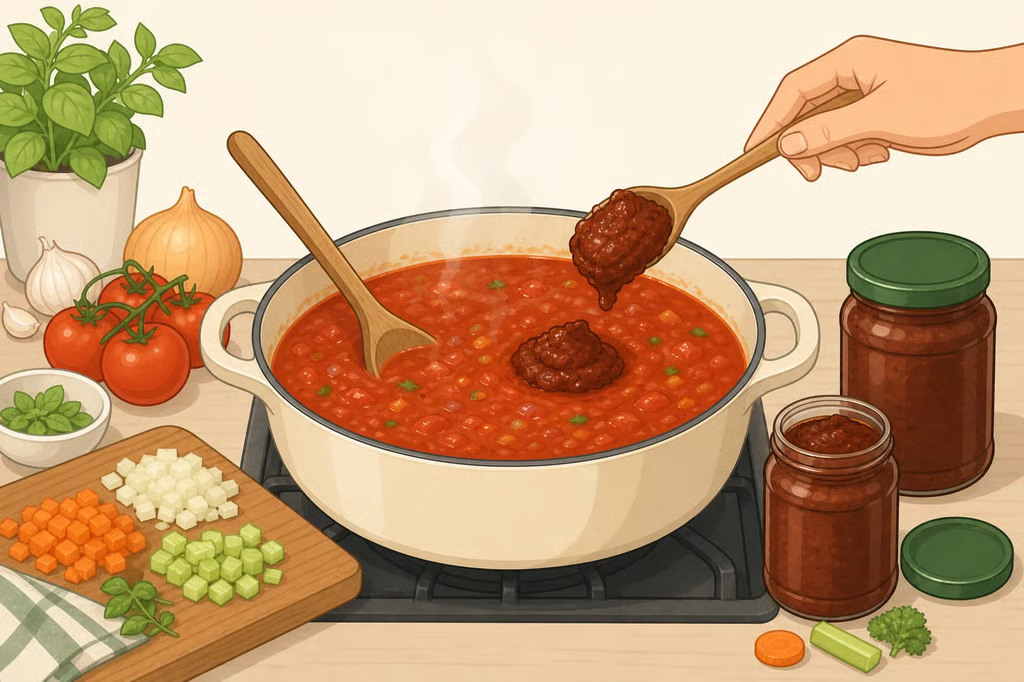
A spoonful of salty vegetable concentrate can make a plain tomato sauce taste fuller without adding a long list of herbs and spices. That is the idea behind this answer to how to make spaghetti sauce taste better, adapted from an orecchiette recipe by Pasta Grannies. The important caveat is salt: Maria’s homemade “stock cube” is actually a thick, very salty paste, so it should be added cautiously and made ahead.
Maria, an 88-year-old home cook from Cisternino, uses about a teaspoon of the concentrate in a sauce made with onion, fresh tomatoes, passata, olive oil, basil, and very little additional seasoning. The Pasta Grannies recipe calls the homemade mixture her “secret taste weapon.” The method below adapts her sauce for dried spaghetti rather than handmade orecchiette.
The concentrate is a batch-cooking project, not a same-night shortcut. If tomato sauce appears on the menu often, it is worth preparing and freezing in small portions. Otherwise, skip to the commercial bouillon shortcut near the end.
What you need
For the vegetable concentrate
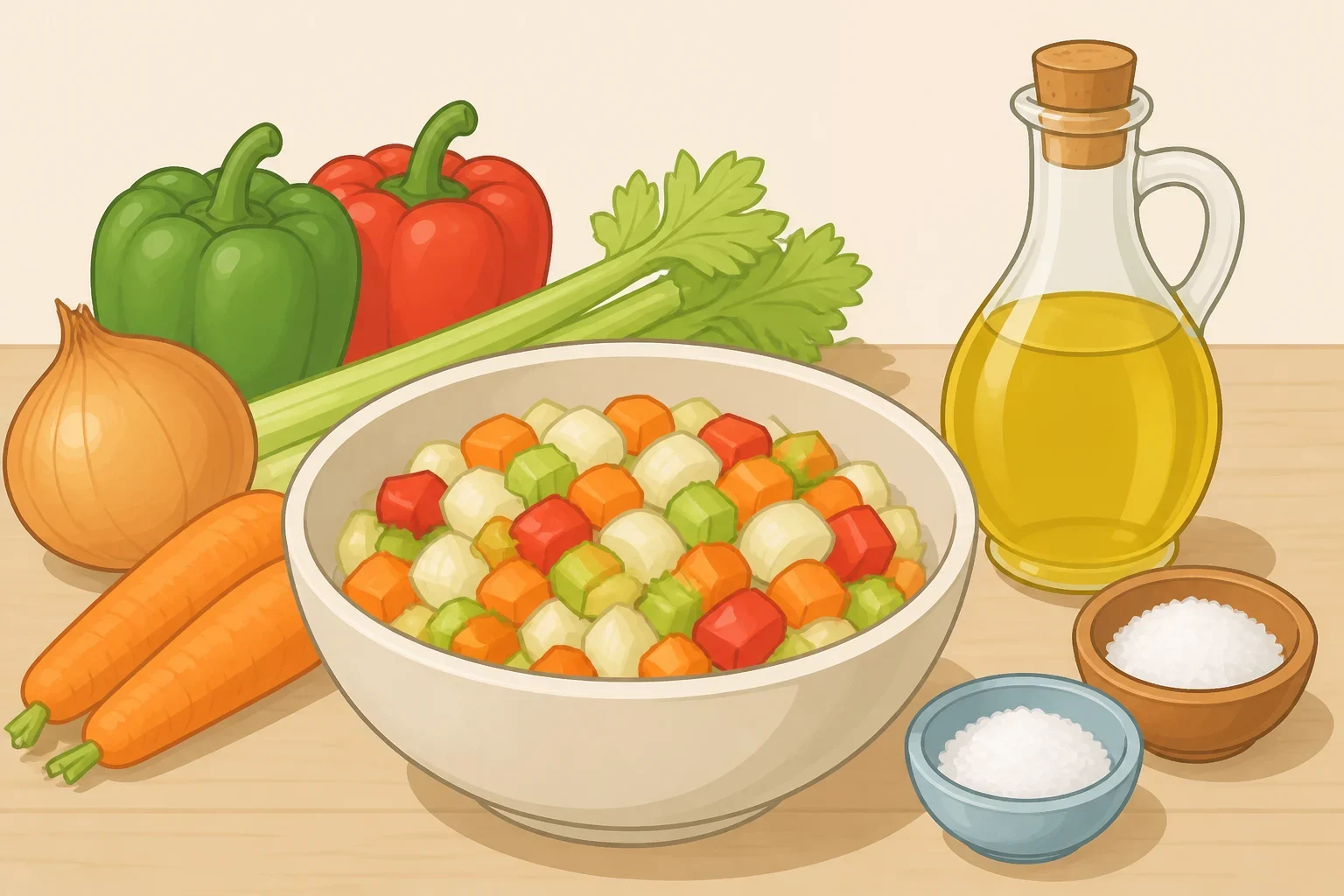
- 1 kilogram mixed vegetables, such as celery, carrot, onion, parsley, and tomato
- 600 grams coarse salt
- 2 to 3 tablespoons extra-virgin olive oil
You will also need a food processor, a wide uncovered pan, and clean glass jars or ice cube trays. The source does not give a final yield for the concentrate, so plan to portion it by use rather than by a precise number of cubes.
For the tomato sauce
- 3 to 4 tablespoons extra-virgin olive oil
- 1 medium onion, finely chopped
- A pinch of salt for the onion, used sparingly
- 500 grams fresh tomatoes, chopped
- 300 milliliters tomato passata
- About 1 teaspoon vegetable concentrate, added to taste
- A few fresh basil leaves
- Spaghetti, plus a little pasta water for finishing
- Salted ricotta or cacio ricotta, to serve
Maria’s sauce is listed as serving 4 to 6, and the ingredient quantities above follow that recipe. The amount of concentrate is deliberately approximate because its saltiness can vary slightly depending on how completely the vegetables cook down.
Understand the “stock cube” before making it
The name can be confusing. This homemade version is not necessarily a firm commercial-style cube. The method produces a thick paste that can be stored in a jar or frozen in an ice cube tray, which explains the terminology. Think of it as a salty vegetable concentrate.
Pasta Grannies describes the homemade stock cube as the main source of flavor in Maria’s sauce. That does not mean the concentrate should be treated like an ordinary vegetable spread or added by the spoonful. Start with less than a teaspoon if the sauce is already seasoned, then taste after it has simmered.
The idea has a useful parallel in Marcella Hazan’s tomato sauce. Her recipe uses tomatoes, butter, onion, and salt, cooks at a very slow simmer for 45 minutes, and removes the onion before the sauce is tossed with pasta, according to PBS American Masters. That recipe offers a practical lesson for this stock cube in spaghetti sauce: a short ingredient list can still produce a finished sauce when each component has room to contribute.
Make the vegetable concentrate
- Process the vegetables. Wash and dry the celery, carrot, onion, parsley, and tomato, then chop them roughly. Pulse them in a food processor until they form a coarse paste. Stop before the mixture becomes juice. The vegetables will release more moisture as they cook, so a chunky, wet mixture at this stage is expected.
- Add the salt and oil. Add the 600 grams of coarse salt and 2 to 3 tablespoons of olive oil. Blend again until the mixture becomes a thick paste. The large amount of salt is part of the source recipe, which is why the finished concentrate must be treated as seasoning rather than as a sauce base.
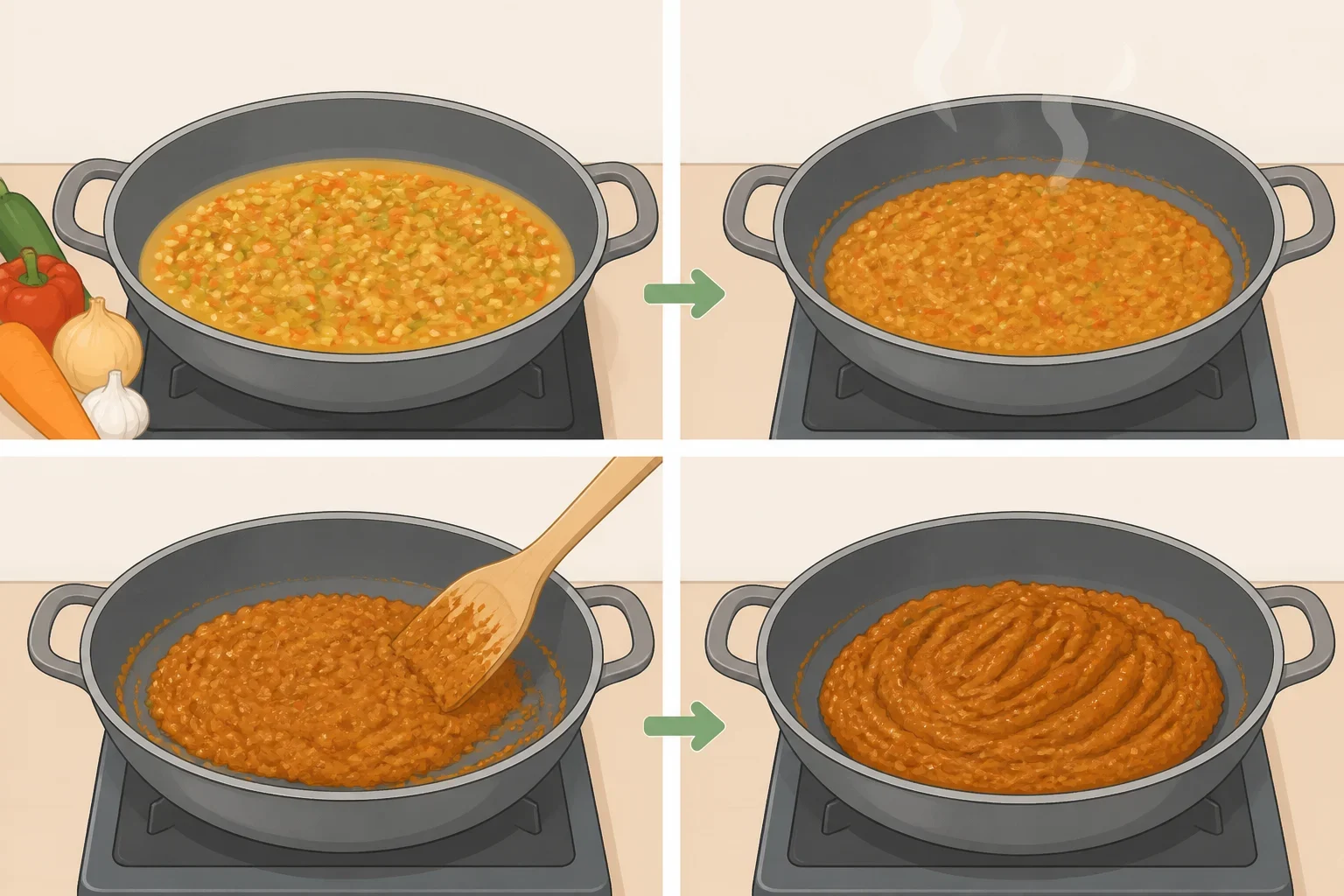
- Cook it uncovered. Transfer the paste to a wide pan and place it over very low heat. Cook uncovered for 45 to 60 minutes, stirring often, until the mixture is thick, glossy, and free of visible liquid. Stay nearby toward the end. As the moisture disappears, the paste can catch on the bottom more easily.
- Cool and portion it. Let the concentrate cool completely before transferring it to jars or portioning it into ice cube trays. Label it clearly as a salty vegetable concentrate. A frozen portion is easier to measure than a spoonful taken from a firm, chilled paste.
Pasta Grannies says the mixture can be refrigerated for 3 to 4 months or frozen in ice cube trays. Because no independent food-safety guidance for that refrigerator duration is supplied here, do not treat the timeframe as a guarantee. For a more cautious make-ahead approach, freeze small portions and use them as needed. If refrigerating the paste, use a clean container and follow the storage practices appropriate to your kitchen.
How to add flavor to tomato sauce
- Soften the onion. Heat the olive oil in a saucepan over medium-low heat. Add the finely chopped onion and a small pinch of salt. Cook slowly until the onion is soft and translucent. Keep the heat moderate enough that it does not brown heavily.
- Cook the fresh tomatoes. Add the chopped tomatoes and cook for about 10 minutes, stirring occasionally, until they collapse. This is the point to scrape the pan gently if the onion has left any flavorful bits behind.
- Add the passata and concentrate. Pour in the passata, then stir in about 1 teaspoon of the vegetable concentrate. If the paste is especially firm, loosen it against the side of the pan before stirring so it distributes evenly.
- Simmer until glossy. Cook the sauce gently for 30 to 40 minutes, stirring from time to time, until it thickens and looks glossy. The source recipe says additional salt is usually unnecessary, but taste before making any adjustment. Do not add a full pinch automatically just because the tomatoes taste sharp at the beginning. The concentrate needs time to dissolve into the sauce.
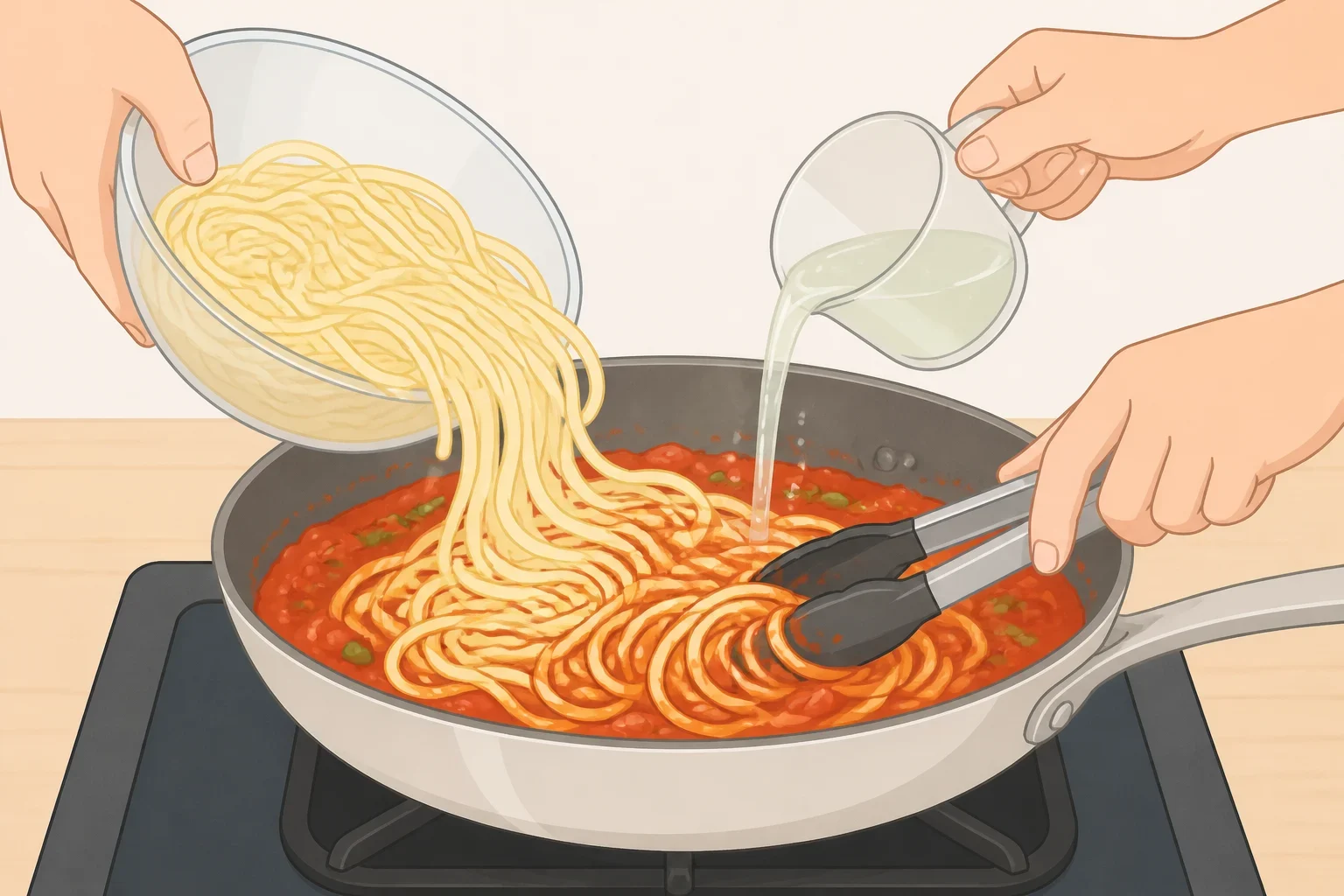
- Cook the spaghetti. Boil the spaghetti in salted water. Before draining, reserve a little pasta water. Transfer the cooked pasta directly into the hot sauce, add a small splash of the reserved water, and toss for about a minute. Maria’s recipe uses this same direct-to-sauce finishing method with pasta, though the original dish uses handmade orecchiette rather than spaghetti.
- Finish lightly. Taste the pasta before adding cheese. Maria serves the sauce with grated salted ricotta or cacio ricotta and a few basil leaves. Parmesan is a reasonable preference for a spaghetti version, but it is also salty, so add it after checking the sauce rather than before.
The sauce quantities come from Maria’s recipe, which is listed at 35 minutes. That timing does not include preparing the vegetable concentrate. If starting from raw vegetables, make the concentrate on another day, then the tomato sauce can remain a manageable weeknight project.
If the sauce is too salty
Salt is the main point that can go wrong with this Italian tomato sauce hack. The concentrate contains 600 grams of coarse salt in the batch, and the finished sauce may also be paired with salted ricotta or Parmesan.
If the sauce tastes balanced but close to the edge, leave out extra salt from the pasta finishing stage and use unsalted toppings. If it tastes too salty after the concentrate has been added, increase the unsalted tomato base rather than trying to correct it with more seasoning. A little additional passata or tomato can spread the salt through a larger amount of sauce, though the sauce will need to simmer again until it reaches the right thickness.
Do not add cheese until the final tasting. Salted ricotta can push an already-seasoned sauce too far, particularly after the sauce has reduced.
Can canned tomatoes replace the fresh tomatoes?
Yes, canned tomatoes are a practical adaptation if fresh tomatoes are unavailable, but this changes the method slightly. The fresh tomatoes in Maria’s recipe are cooked until they collapse before the passata is added. Canned tomatoes may need to be broken up with a spoon and simmered until the sauce reaches the same thick, glossy consistency.
The substitution is also consistent with Hazan’s published tomato sauce, which allows either fresh tomatoes or canned Italian plum tomatoes in that separate recipe. That does not make the two sauces identical, so keep Maria’s onion, passata, basil, and concentrate method as the starting point.
A faster version for busy nights
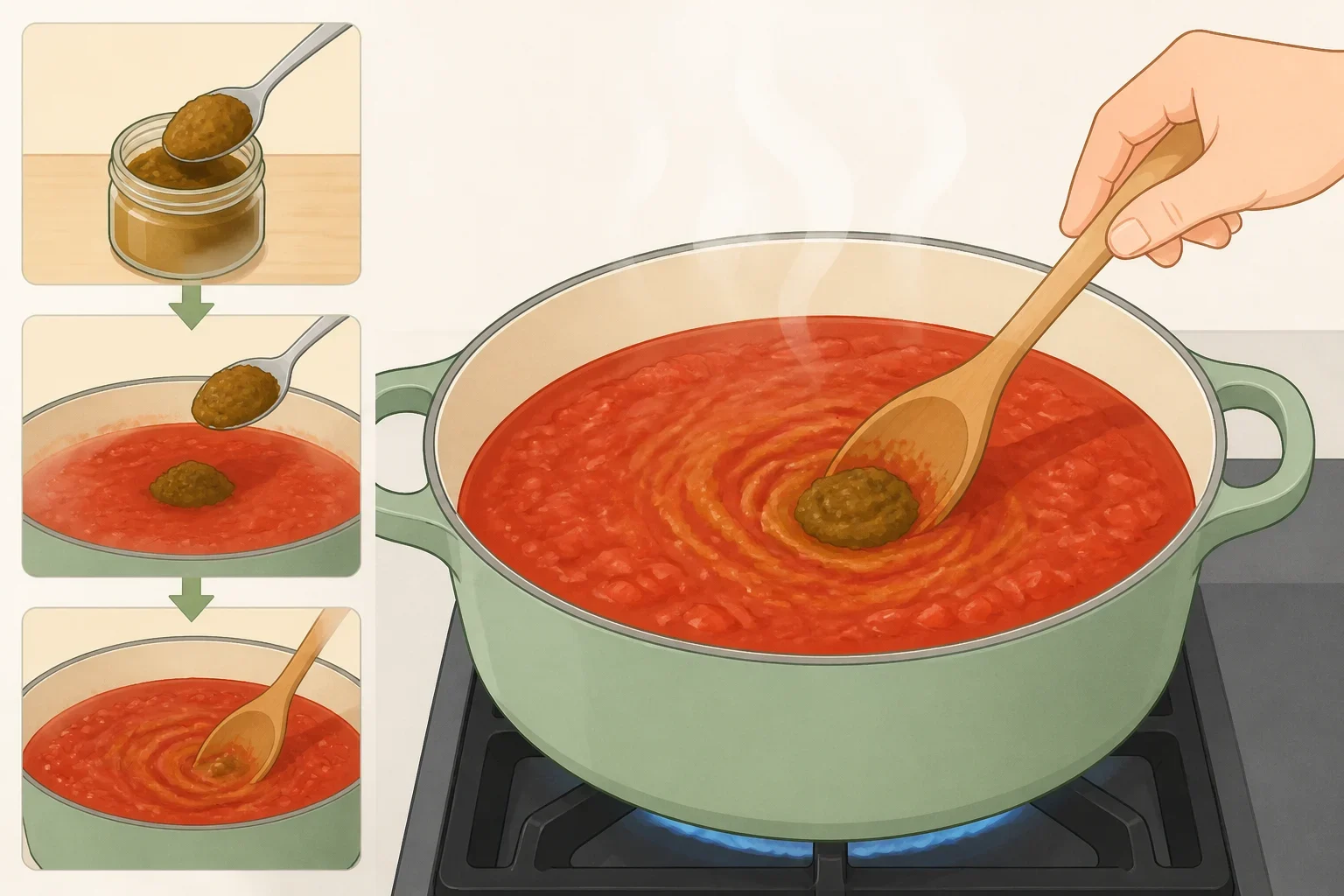
Pasta Grannies notes that cooks can “cheat” when they want to make the dish faster and do not have the homemade concentrate ready. The simplest shortcut is to use a small amount of store-bought vegetable bouillon paste or concentrate.
Add it after the fresh tomatoes and passata are in the pan, then taste as the sauce simmers. Commercial products vary in saltiness, so there is no useful one-size-fits-all amount to give here. Start with a small quantity, let it dissolve, and only then decide whether more is needed.
Keep the rest of the method unchanged: soften the onion, cook the tomatoes, add the passata, simmer until thick, and finish the spaghetti in the sauce. This shortcut will not reproduce Maria’s homemade paste exactly, but it gives the cook a sensible weeknight route without preparing a kilogram of vegetables.
The practical choice
The homemade concentrate makes sense for households that cook tomato sauce regularly and have room to freeze small portions. Prepare it when there is time, cool it fully, and portion it so a small amount can be added without guessing.
For an occasional spaghetti dinner, use a cautious amount of commercial vegetable bouillon instead. Either way, the useful habit is the same: add concentrated seasoning gradually, simmer the sauce until it is thick and glossy, and taste before adding salt or cheese.
