
If a baking recipe simply calls for cream cheese, a full-fat block is usually the safest choice. Its dense texture makes it better suited to cheesecake, cream cheese frosting, and firm fillings than softer spreads or aerated whipped cream cheese.
Brand still matters, but there is no current controlled bake-off proving that one block will outperform every other. Three chefs interviewed by EatingWell favored Philadelphia for cooking and baking, praising its consistency, tang, and texture. An August 2026 Serious Eats blind tasting, meanwhile, favored Stop & Shop, Aldi Happy Farms, and Wegmans among the 35 cream cheeses tested.
Those findings are not really at odds. The chef recommendations reflect professional cooking and baking experience, while the Serious Eats test judged cream cheese as a food product rather than comparing finished cheesecakes or frostings. Together with food-science research on cream cheese structure, they point to a practical rule: choose the right format first, then consider the brand.
Why block cream cheese works better for baking
Cream cheese is commonly sold as dense blocks, softer tub spreads, and light, aerated whipped spreads. Those formats are designed for different uses. Blocks are firm and compact, spreads are softer and easier to smear, and whipped cream cheese is intentionally airy.
That difference matters when a recipe was developed around a block. Replacing it with whipped cream cheese can change the weight, density, and consistency of what goes into a cheesecake batter, filling, or frosting.
A 2022 study in the International Journal of Food Science & Technology helps explain why formulation matters. Researchers evaluated seven commercial cream cheeses: three blocks, two spreadable products, and two light spreadable products. Their fat contents ranged from 13.7% to 35.7%.
Full-fat products generally showed greater fracture stress and stiffness than lower-fat products, but fat was not the only factor. The ratio of protein to moisture had the strongest relationship with the structural properties researchers measured. Moisture, protein, fat, stabilizers, and manufacturing methods can all affect how firm a cream cheese becomes.
The study did not compare finished desserts, so it should not be treated as a baking competition. It does show why cream cheeses with different formulations may not behave identically even when they share the same general product name.
For cheesecake, firm fillings, and most cream cheese frostings, full-fat block cream cheese remains the more dependable starting point unless the recipe specifically calls for something else. Tub and whipped versions make more sense when easy spreading is the goal.
3 reliable cream cheese blocks for baking
There is no controlled baking test establishing these products as the three best-performing cream cheeses in every recipe. Instead, each is a practical full-fat block with a clear reason to consider it.
1. Philadelphia Original Cream Cheese
Of these three options, Philadelphia has the clearest professional baking endorsement in the sources reviewed. The chefs interviewed by EatingWell praised its consistency, tang, and texture, and private chef and former bakery owner Jonathan Eizenshtein specifically favored it for cheesecake.
Philadelphia's own product information says Original Cream Cheese is suited to cooking and baking, including cheesecake and frosting. The standard block comes in an 8-ounce size, which is convenient because many U.S. baking recipes call for cream cheese in 8-ounce increments.
Best for: Bakers who want a familiar, widely available default for cheesecake, frosting, bars, and other recipes built around conventional block cream cheese.
2. Tillamook Brick Cream Cheese
Tillamook Brick Cream Cheese is another full-fat 8-ounce option. Its nutrition panel lists 10 grams of fat per 28-gram serving, and its ingredient list is notably short: cultured pasteurized milk and cream, pasteurized skim milk, and sea salt.
That does not prove it will bake better than another block, but it makes Tillamook a straightforward alternative for shoppers who want a full-fat product with a simple ingredient list.
Best for: Bakers who prefer a full-fat block with minimal added ingredients.
3. Organic Valley Organic Cream Cheese
Organic Valley Organic Cream Cheese offers another 8-ounce, full-fat option, with the added distinction of certified organic dairy. The manufacturer also specifically suggests it for cheesecake.
Its ingredients include organic pasteurized milk and cream, cheese culture, salt, and organic locust bean gum. That stabilizer should not automatically count against it; commercial cream cheese performance depends on the overall formulation, not simply on which package has the shortest ingredient list.
Best for: Bakers who want an organic full-fat cream cheese without moving to a whipped or reduced-fat product.
Which cream cheese works best for each recipe
Cheesecake: Philadelphia has the strongest professional endorsement among these three choices, but the broader rule matters more: use full-fat block cream cheese unless the recipe specifies another type. Bring it to the temperature called for in the recipe so it blends smoothly with the other ingredients.
Cream cheese frosting and firm fillings: Start with full-fat block cream cheese for better body and easier control. Whipped cream cheese is a riskier substitution because its aerated texture changes the ingredient's density.
No-bake fillings: Block cream cheese is also the safer choice when a chilled filling needs enough body to hold its shape. If the recipe specifically calls for a spreadable product, follow the recipe.
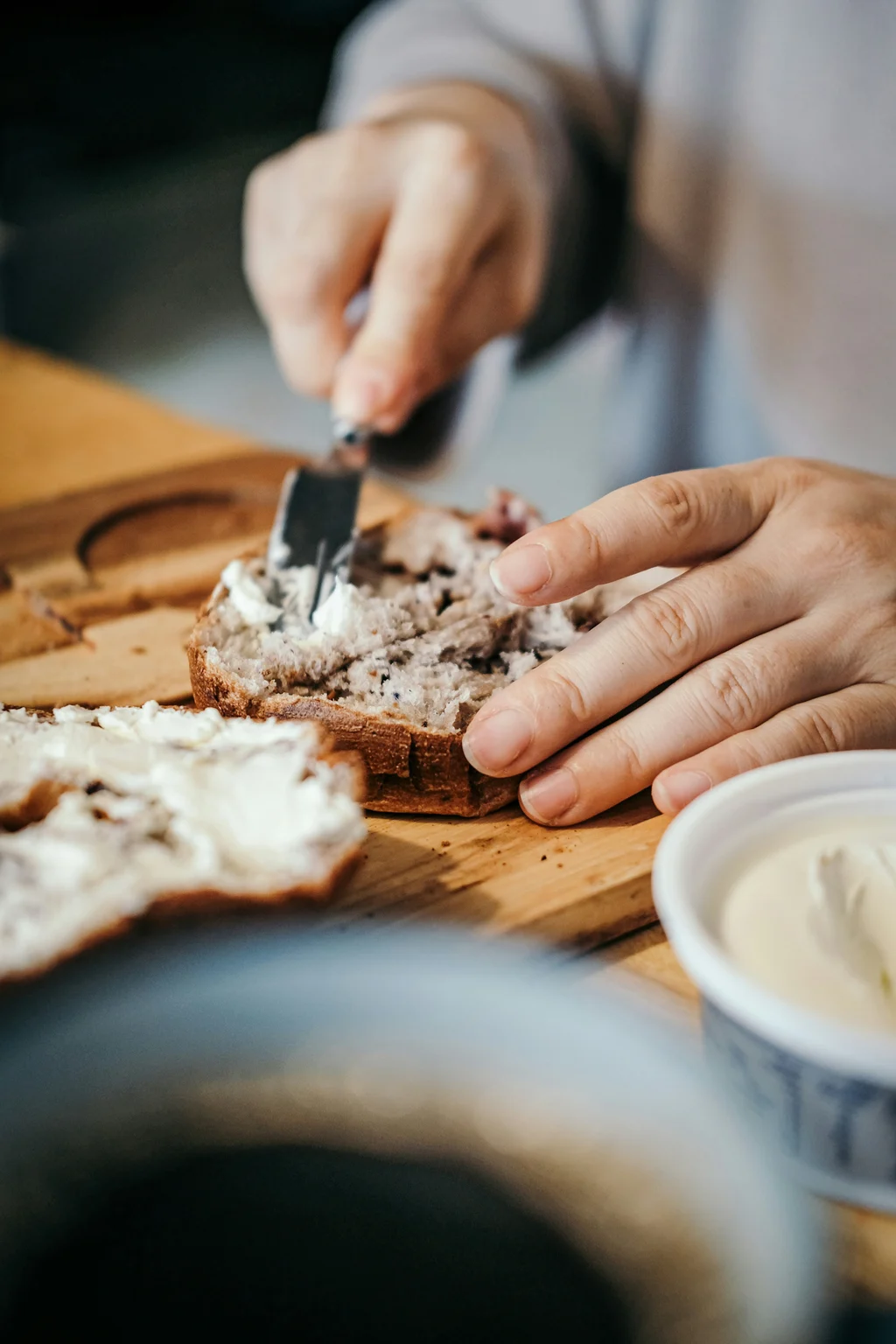
Bagels and everyday spreading: This is where tubs and whipped cream cheese have the advantage. A softer product that is less useful for a structured cheesecake may be exactly what you want when easy spreading is the priority.
What to check on the cream cheese label
Start with the package format. For cheesecake, frosting, and other recipes that simply call for cream cheese, look for a full-fat block rather than a product labeled "lite," "reduced fat," "spread," or "whipped."
Then check the nutrition panel. The Philadelphia, Tillamook, and Organic Valley blocks featured here each list 10 grams of fat per roughly 1-ounce serving. That is a useful reference point for these products, not a universal rule that every suitable baking cream cheese must match.
Ingredient lists can offer additional clues, but shorter does not automatically mean better. The commercial products in the 2022 study all contained at least one stabilizer, and the researchers found that texture depended on the overall formulation rather than any single ingredient.
The simplest approach is to match the product format to the recipe instead of trying to judge baking quality from one number or ingredient alone.
Before putting a package in your cart:
- Choose full-fat block cream cheese for cheesecake, firm fillings, and most cream cheese frostings unless the recipe says otherwise.
- Don't automatically substitute whipped or tub-style cream cheese; the formulation and density may differ.
- Treat fat content and the ingredient list as useful clues, not guarantees of baking performance.
- When possible, use the same cream cheese format specified in the tested recipe.
When a test batch is worth it
You do not need to run a trial every time you switch cream cheese brands. For everyday baking, choosing the full-fat block format called for in the recipe is usually the simplest way to avoid problems.
A test batch makes more sense when the dessert cannot easily be replaced. If you're switching brands for a wedding cake, holiday cheesecake, party dessert, or another special-occasion bake, a small trial can reveal whether differences in tang, firmness, or texture noticeably affect the result.
The brand can shape flavor and texture, but the format is the first decision to get right. When a recipe simply calls for cream cheese, starting with a full-fat block gives you the most predictable foundation.
