

- How to Negotiate Credit Card Debt: Step-by-Step
- Find out who is handling the account
- 1. Call the card issuer before the account is transferred
- 2. Learn how to settle credit card debt with a collection agency
- 3. Build an offer your budget can keep
- 4. Get the settlement or repayment plan in writing
- 5. Compare alternatives without losing focus
- Make the next call match the account stage
How to Negotiate Credit Card Debt: Step-by-Step
Learning how to negotiate credit card debt starts with one practical question: Who is currently handling the account? The right move is different when the balance is still with the original card issuer, when payments are overdue, and when a collection agency is contacting you.
If a payment may be missed, contact the card company immediately. Many issuers may work with customers facing a financial emergency. Possible accommodations can include a lower minimum payment, waived fees, a reduced interest rate, or a due-date change. The CFPB advises contacting the issuer right away rather than waiting for the problem to grow.
Before making a promise, gather your current balance, account status, income, essential expenses, available savings, and the largest monthly payment you can make without skipping rent, food, utilities, insurance, or other necessities. Then follow the step that matches the account today.
Find out who is handling the account
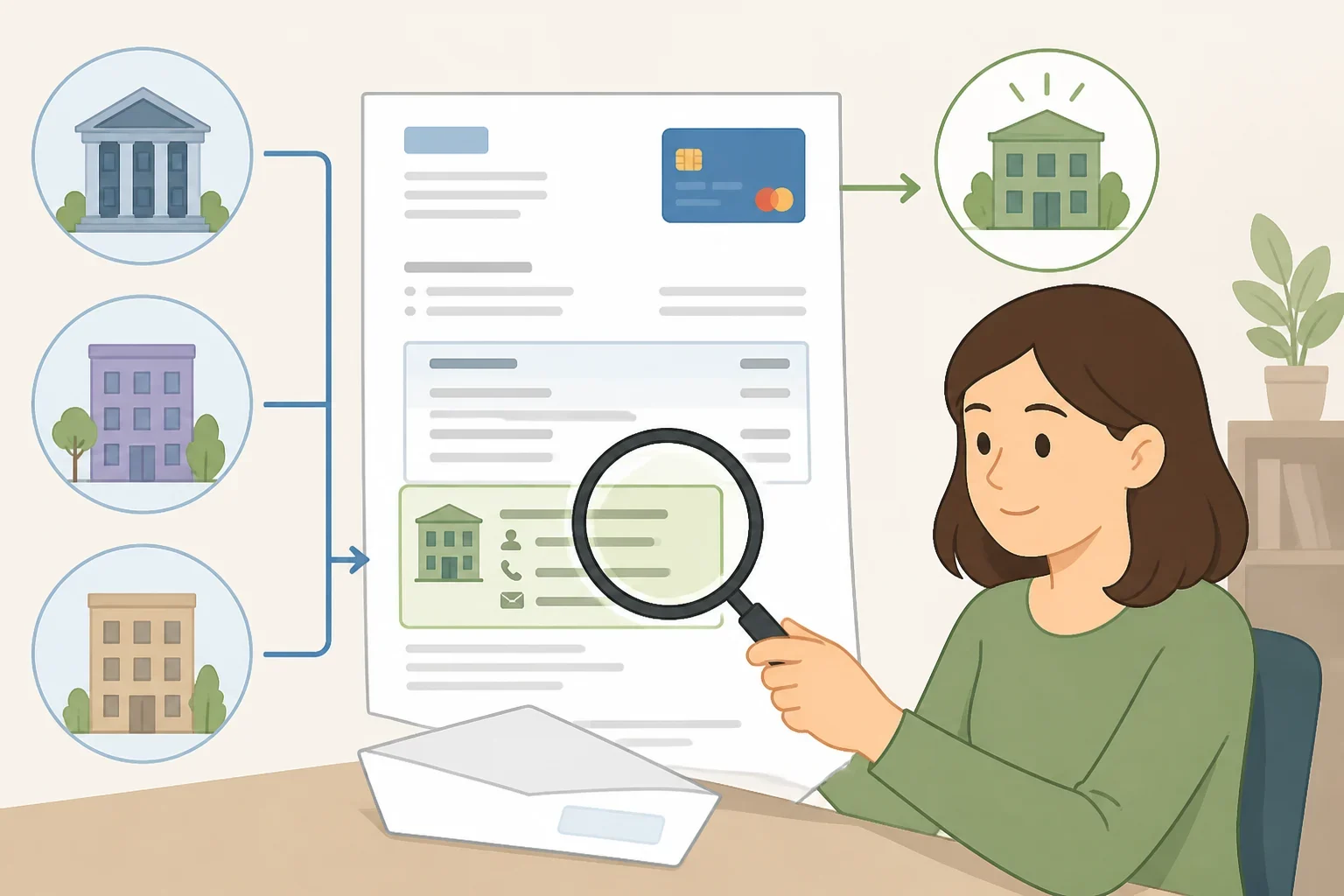
Check the most recent statement, letter, or call details. You may be dealing with:
- The original card issuer: Ask about hardship options, payment changes, fees, and interest.
- The issuer’s recovery department: Keep records of conversations and ask which options are available for an overdue account.
- A collection agency: Confirm the debt and request validation information before proposing a settlement or payment plan.
- A company advertising consolidation or settlement: Find out what service it actually provides, what it charges, and whether it expects you to stop paying your creditors.
The company contacting you may not be the same company that originally issued the card. That is why the latest notice, the account history, and the name of the current collector all matter. Do not send money to a third party simply because an advertisement uses the word “consolidation.”
A repayment plan and a settlement are also different:
- Repayment plan: You agree to pay the full balance, usually through scheduled payments.
- Settlement: You propose paying less than the full balance, usually as a lump sum or under agreed installments. The remaining amount may be forgiven, which can create tax questions.
1. Call the card issuer before the account is transferred
If the debt is still with the original card company, start there. Contact the issuer as soon as you know there may be trouble paying. The CFPB says creditors might agree to lower minimum payments, waive certain fees, reduce the interest rate, or change the due date to better match payday. Its guidance on working with individual creditors supports trying this conversation before turning to a settlement company or a new loan.
Have the account number and a short explanation of the hardship ready. A clear request is enough:
“I’m experiencing a financial hardship and want to avoid falling further behind. What hardship options are available for this account?”
Then ask focused questions:
- “Can the minimum payment be reduced?”
- “Can you waive the late fee or another fee?”
- “Is a lower interest rate available?”
- “Can the due date be moved closer to payday?”
- “How long would the arrangement last?”
- “What would the payment be, and when would it begin?”
- “Will I still owe the full balance under this arrangement?”
Write down the representative’s name, the date and time of the call, the options discussed, and any confirmation number. If the issuer offers a plan, ask for its terms in writing before relying on the new payment amount.
Ask what happens when the hardship period ends. A lower payment may be temporary, and the regular payment or interest rate may return. The useful arrangement is the one the household budget can continue supporting, not merely the one that makes the next bill look smaller.
2. Learn how to settle credit card debt with a collection agency
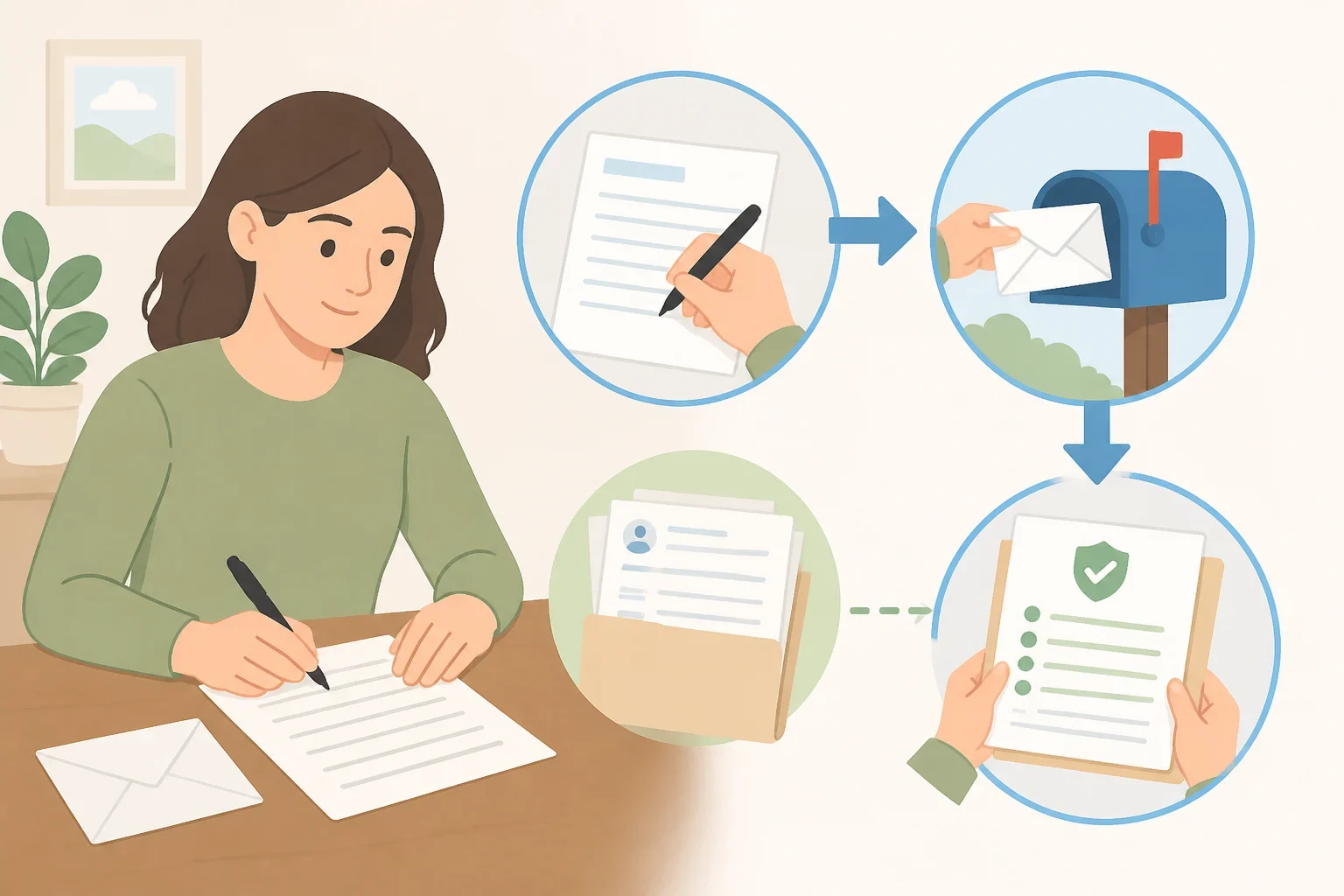
When a collection agency is involved, begin with verification rather than an immediate promise to pay. Collectors must provide certain information about the debt in the initial communication or within five days of first communicating with you. Generally, that information must be provided in writing, by mail or electronically, under the CFPB’s guidance on negotiating with a debt collector.
Ask the collector to identify the company, the original creditor, the account, the amount claimed, and how to dispute the debt if something is incorrect. Compare those details with your records. Check the account holder, balance, and creditor name before discussing what you can pay.
A simple response is:
“Please send the validation information in writing. I’m reviewing the account and will respond after I confirm the details.”
Keep the letter, email, envelope, and call log. If something does not match, follow the dispute instructions that come with the validation notice. Do not negotiate the amount until you understand whether the debt is yours and whether the balance appears correct.
Collectors also have limits on their conduct. A debt collector cannot apply a single payment across multiple debts you are disputing. Federal rules also prohibit repeated or continuous calls made with the intent to harass, oppress, or abuse. Repeated contact is not automatically unlawful, so save records if the calls become a concern.
3. Build an offer your budget can keep
Once the debt is confirmed, decide what is realistic before calling back. Start with the money that must stay available for basic household expenses. A settlement funded by missed rent, unpaid utilities, or an empty grocery budget is not workable.
Use a short worksheet:
- Monthly take-home income: $____
- Essential housing, utility, food, insurance, and transportation costs: $____
- Minimum payments on all other accounts: $____
- Money left after essentials and required payments: $____
- Amount available for this debt each month: $____
- One-time lump sum available without using essential funds: $____
The final figure is a planning number, not a promise. Leave room for ordinary household surprises, and do not use money needed for necessities. If there is no safe amount left, say so. After confirming that you owe the debt, you can pay in full or propose a repayment plan, according to the CFPB.
For a repayment plan, try:
“After reviewing my budget, I can pay $____ on the ____ of each month. I cannot commit to a higher amount. Does this payment continue until the full balance is paid, or does it resolve the account after a specific number of payments? Please send the complete terms in writing before I make the first payment.”
For a settlement proposal, try:
“I can offer $____ as a one-time payment, provided the written agreement explains how the payment will be applied and what happens to the remaining balance.”
You can propose a lump-sum settlement or a repayment plan. The collector may agree, reject the proposal, or make a counteroffer. Do not promise money that is not available. A plan that fails after the first installment may leave the household in a tighter position without producing the result you expected.
4. Get the settlement or repayment plan in writing
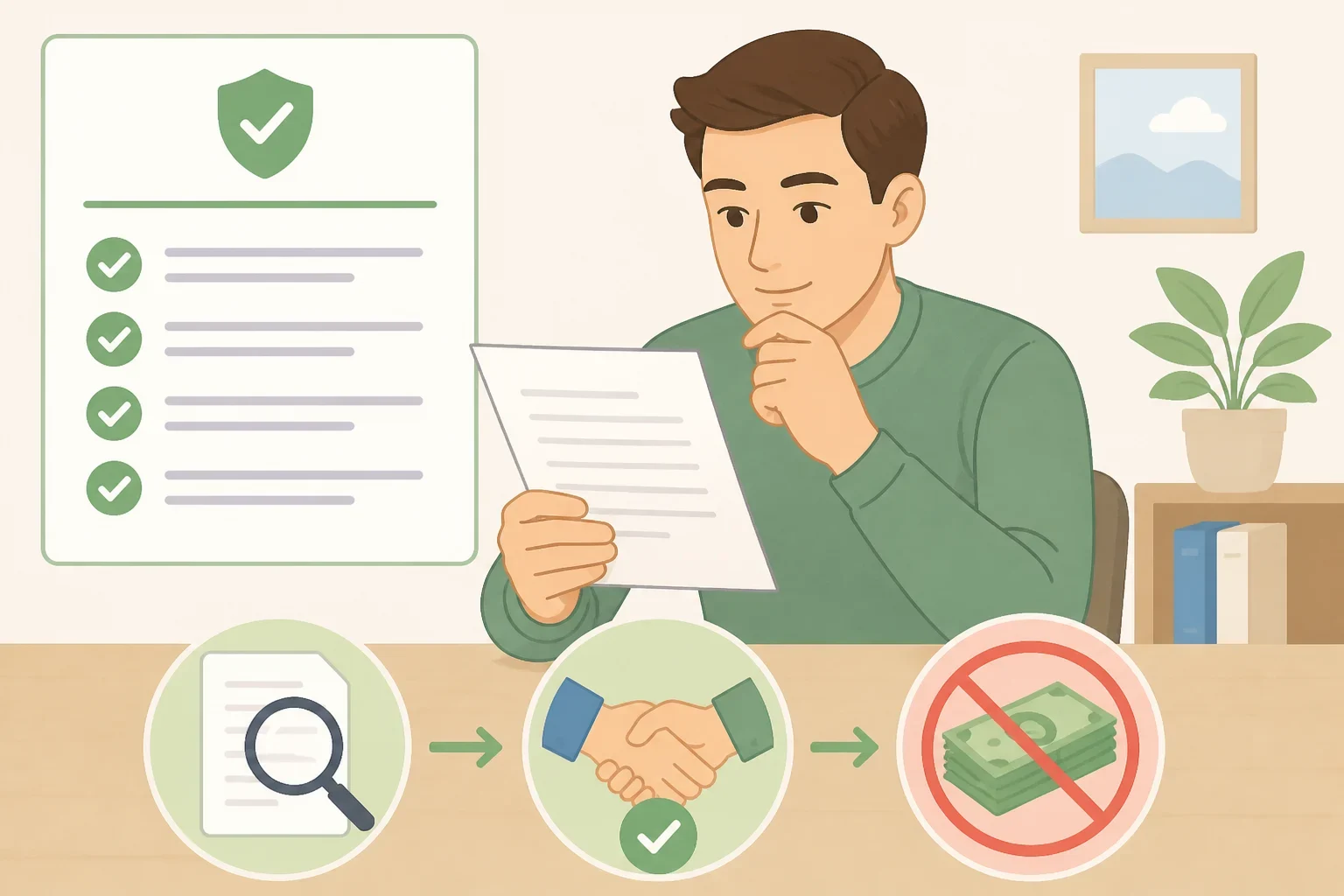
Do not rely on a phone agreement alone. Before sending money, request the complete terms in writing, including:
- The collector’s name and the account information
- The total amount being paid
- The payment amount and each due date
- Whether the arrangement is a lump sum or an installment plan
- How each payment will be applied
- Whether collection activity will stop while the plan is being completed
- What happens if a payment is late
- What happens to the remaining balance after the final payment
- Whether the remaining balance is forgiven once the plan is completed
The CFPB advises getting the plan and the collector’s promises in writing before making a payment. Those promises may address stopping collection efforts or ending or forgiving the debt after the plan is completed. Ask directly:
“When I make the final payment, will the account be considered resolved, and will any remaining balance be forgiven? Please include that answer in the agreement.”
Read the document slowly. If a representative says a term cannot be included, ask what the written agreement does say. Keep proof of every payment and the final confirmation that the plan was completed.
Check the tax question before signing
Forgiven debt may have to be included in taxable income, depending on the individual facts and circumstances. The IRS says a commercial lender generally reports canceled debt to the borrower and the IRS on Form 1099-C, although that form is not issued in every possible situation. Review the IRS explanation of forgiven debt before accepting a reduced balance.
Insolvency may provide an exception. A taxpayer is insolvent when total liabilities exceed total assets, and forgiven debt may be excluded from income to the extent of the insolvency. Bankruptcy and other exceptions may apply as well. The IRS information on insolvency points to Form 982 for taxpayers who believe an exception applies.
If the tax result is unclear, speak with a qualified tax professional before signing if possible. A settlement that fits the monthly budget can still create a tax obligation later.
5. Compare alternatives without losing focus
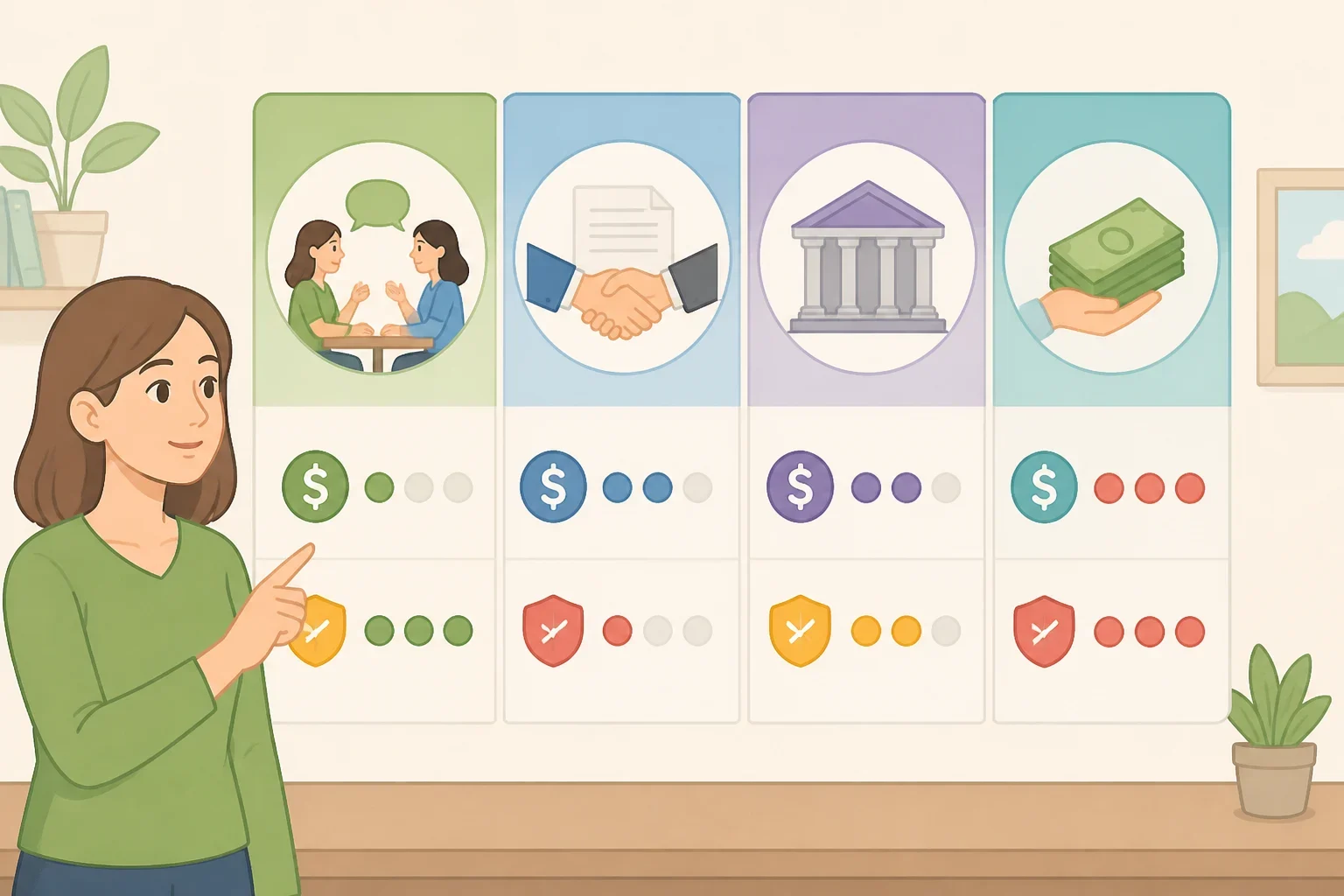
Negotiating directly is not the only option, but each alternative changes the risk or cost.
- Nonprofit credit counseling: Many credit counseling organizations are nonprofits. Before enrolling, ask whether you will be charged, how much it will cost, and exactly what services are included.
- Debt settlement company: These companies may promise to reduce debts for a fee, but some promise more than they can deliver and may not settle the debt at all. For companies covered by the applicable consumer-protection rules, the CFPB says a settlement company cannot collect fees before settling or resolving the debt. Treat an upfront-fee request as a warning and check the firm’s fee structure before signing.
- Consolidation advertisement: Some companies that advertise consolidation are actually debt settlement companies. They may encourage consumers to stop paying creditors and place money in a separate account instead. The CFPB warns that this approach can be risky.
- Balance transfer or consolidation loan: A promotional balance-transfer rate is temporary, and a transfer fee usually applies. A consolidation loan can simplify several payments, but a lower monthly payment may reflect a longer repayment period and higher total cost. Compare the full interest rate, fees, payment schedule, and total amount repaid.
- Home equity loan: This uses the home as collateral. If the loan is not repaid, the home could be at risk of foreclosure, and closing costs can be hundreds or thousands of dollars.
A new loan does not address the reason the balance grew. If household spending remains higher than income, replacing several card payments with one new payment may only delay the same problem.
Make the next call match the account stage
Start by reviewing the latest statement or collection notice and preparing a bare-bones household budget. Then:
- Call the card issuer if it is still handling the account, and ask about hardship options.
- Request validation if a collection agency is involved.
- Propose only a payment or settlement amount the budget can support.
- Get every term and promise in writing before paying.
- Check the tax consequences before accepting forgiveness of any balance.
- Compare counseling or consolidation only after understanding the cost and risk.
That sequence keeps the negotiation tied to the real household budget. It also helps prevent a difficult credit card problem from becoming a new payment, fee, or tax problem.
