
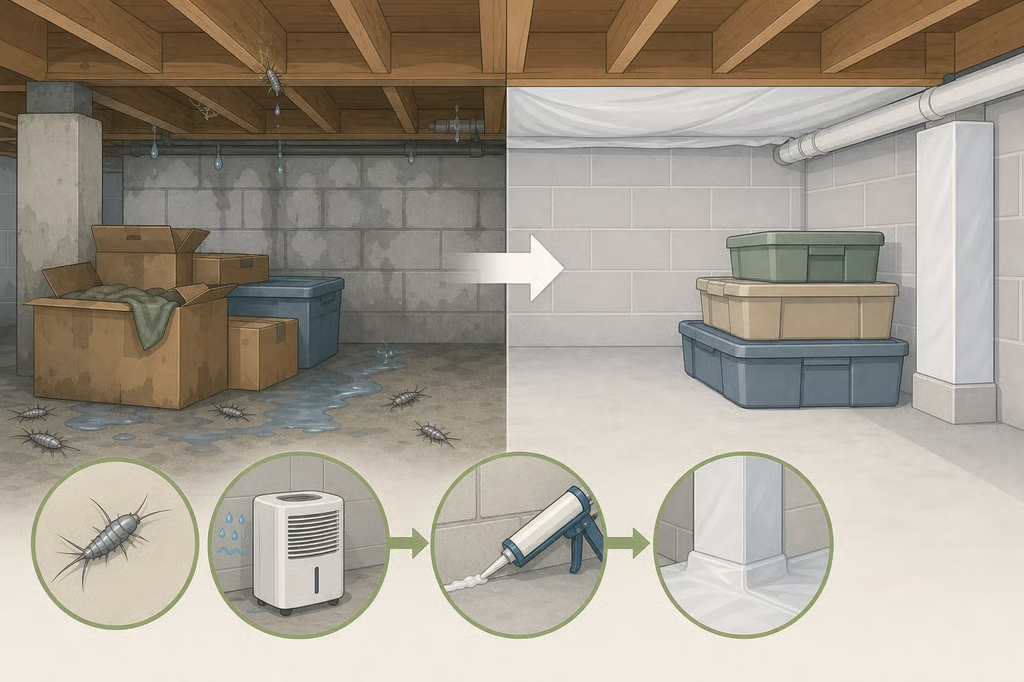
Finding a silverfish darting across your bathroom floor or disappearing behind a closet baseboard can be unsettling, especially when you've kept the space clean. But these small, fast-moving insects aren't necessarily attracted by poor housekeeping. Often, the bigger draw is moisture.
Silverfish favor damp, sheltered spaces where they can find food and places to hide. They can damage books, wallpaper, stored clothing, and other household belongings, but they're primarily nuisance pests rather than a direct health threat. Many of the conditions that attract them can be addressed without immediately turning to insecticides.
Preventing silverfish starts with identifying moisture problems, improving ventilation, and making storage areas less inviting. Here's where to look and what to do if the insects keep returning.
Why silverfish appear in your home
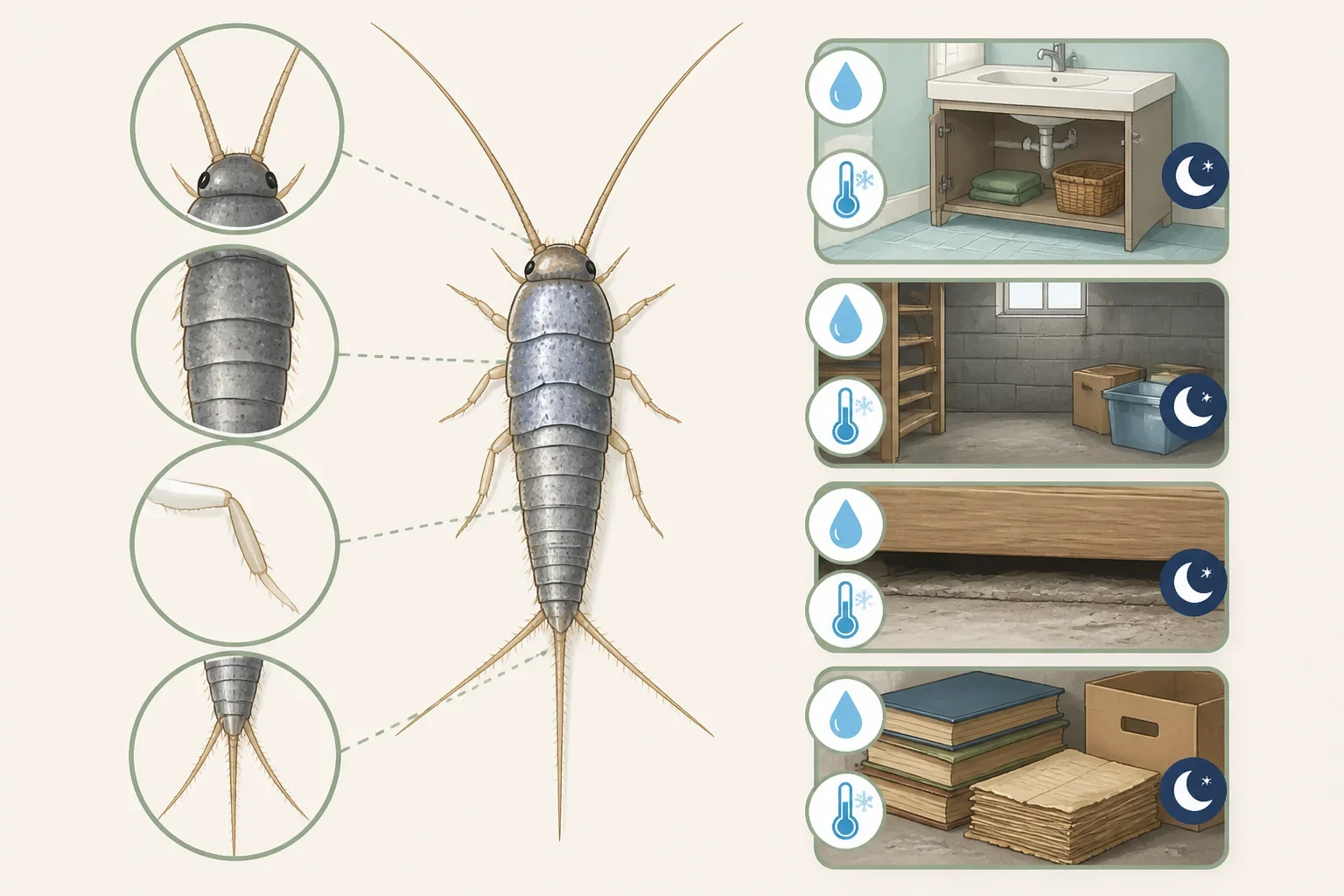
Silverfish are small, wingless insects with silvery-gray, tapered bodies, long antennae, and three tail-like appendages. They move quickly when disturbed and are most active at night, which is why you might spot one scurrying away when you switch on a bathroom light.
According to the National Pesticide Information Center, silverfish prefer cool, damp locations such as basements, laundry rooms, closets, and storage areas. They're often confused with firebrats, closely related insects that favor warmer environments.
Silverfish feed on starchy substances and other organic materials, including paper, wallpaper paste, bookbinding glue, cereals, and certain fabrics. Over time, their feeding can leave irregular marks or holes in vulnerable belongings.
Signs worth checking for include:
- Small, irregular holes or scraped patches on paper
- Ragged edges or damaged book bindings
- Shed skins, tiny scales, or insect droppings
- Unexplained damage to clothing stored for long periods
- Repeated sightings near baseboards, cabinets, or storage boxes
These signs aren't conclusive on their own. Other insects can damage paper and fabric, and finding one silverfish doesn't necessarily mean your home has a large infestation.
Moisture is an important clue, but it isn't proof of a plumbing leak or structural problem. Silverfish can also enter homes with stored materials and survive in sheltered areas that aren't visibly wet.
How much humidity is too much?
A hygrometer, a small device that measures relative humidity, can help you determine whether a room is unusually damp.
The U.S. Environmental Protection Agency recommends keeping indoor relative humidity below 60%, ideally between 30% and 50%, to help prevent moisture-related problems.
That range is general household moisture guidance, not a guarantee against silverfish. However, lowering excessive humidity can make bathrooms, basements, and storage spaces less favorable to them.
Check humidity in rooms where you've noticed condensation, damp smells, or recurring insect activity. A reading taken after a shower may be temporarily high, so monitor conditions at different times rather than relying on one measurement.
How to prevent silverfish by controlling moisture
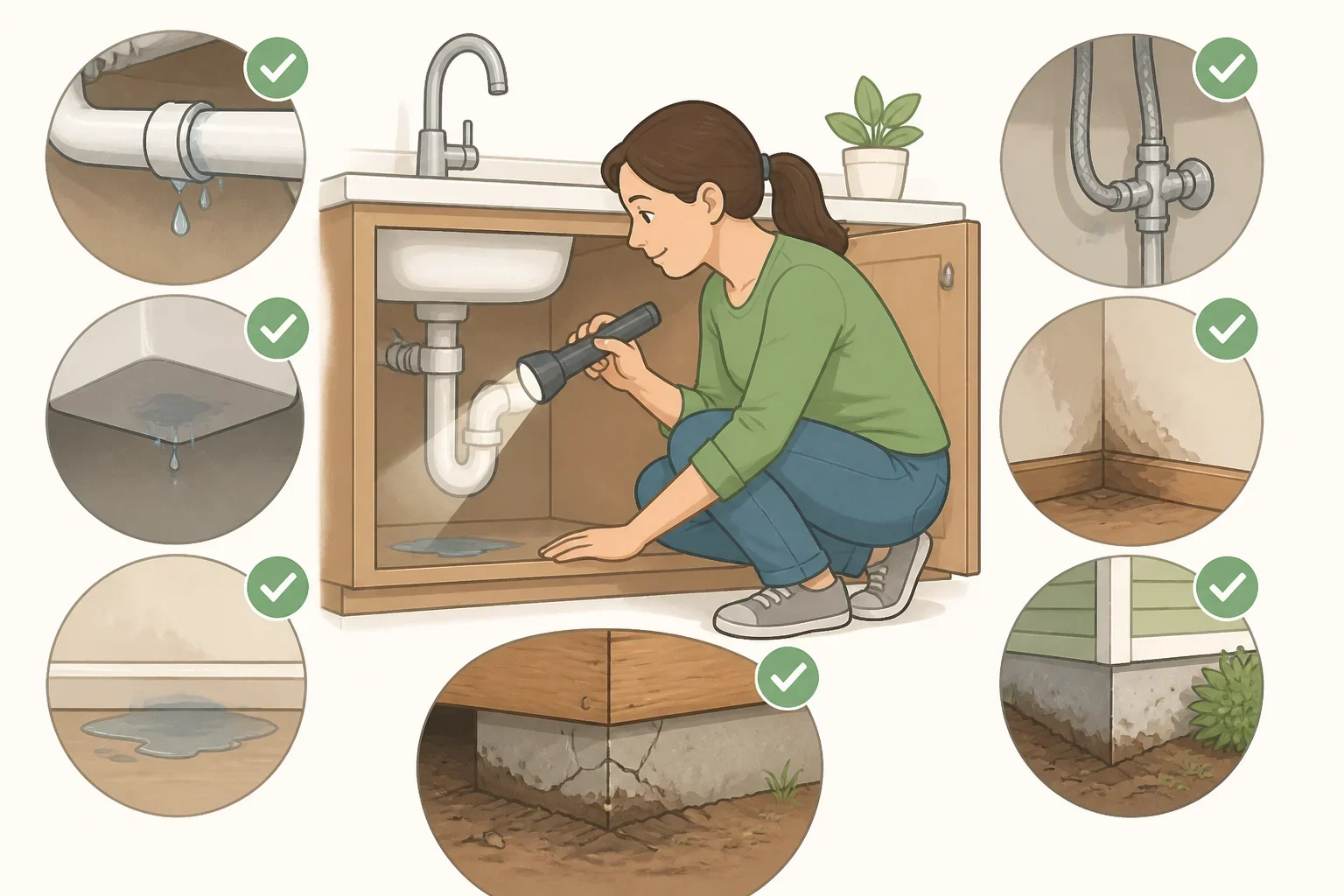
You don't need to overhaul your entire home at once. Begin with areas where you've seen silverfish, then work through the moisture, storage, and cleaning problems that may be helping them survive.
1. Check for leaks and dampness
Inspect beneath kitchen and bathroom sinks, around plumbing connections, near windows, and along basement walls. Look for dripping pipes, water stains, peeling paint, condensation, or damp patches that don't dry out.
Pay particular attention to rarely used cabinets and closets. A slow leak behind stored cleaning supplies can go unnoticed, while poor airflow may allow moisture to linger.
If you're renting, photograph recurring dampness and report leaks to your landlord or property manager. Leave suspected structural damage, roof leaks, and inaccessible crawl spaces to qualified professionals.
2. Fix leaks and improve ventilation
Repair dripping faucets and leaking pipes before relying on a fan or dehumidifier. Lowering humidity won't solve an active water leak.
Run bathroom exhaust fans during showers and continue ventilating afterward until excess moisture clears. Use kitchen exhaust ventilation when cooking, and make sure vents aren't blocked.
In persistently humid rooms, air conditioning or a dehumidifier can help. Check your hygrometer to see whether conditions improve, and empty and clean dehumidifier reservoirs according to the manufacturer's instructions.
Opening windows can also help when outdoor air is suitable for drying the room. During humid or rainy weather, however, bringing more outdoor air inside may not improve moisture levels.
If dampness continues despite these measures, investigate the source rather than simply running appliances longer. Crawl-space moisture, drainage problems, and recurring water intrusion may require professional assessment.
3. Remove clutter and hiding places
Silverfish often shelter in narrow cracks, behind baseboards, and among undisturbed belongings. Regular cleaning makes these spaces less attractive.
Vacuum closet corners, cabinet edges, and areas beneath furniture. Move stored items occasionally so you can clean behind them and check for insect activity.
Discard unnecessary stacks of newspapers, magazines, and cardboard boxes, particularly in damp rooms. Wipe up food spills and remove crumbs from pantry shelves.
Cleaning alone may not eliminate an established infestation, but it reduces accessible food and shelter while making signs of activity easier to spot.
4. Protect books, clothing, and stored belongings
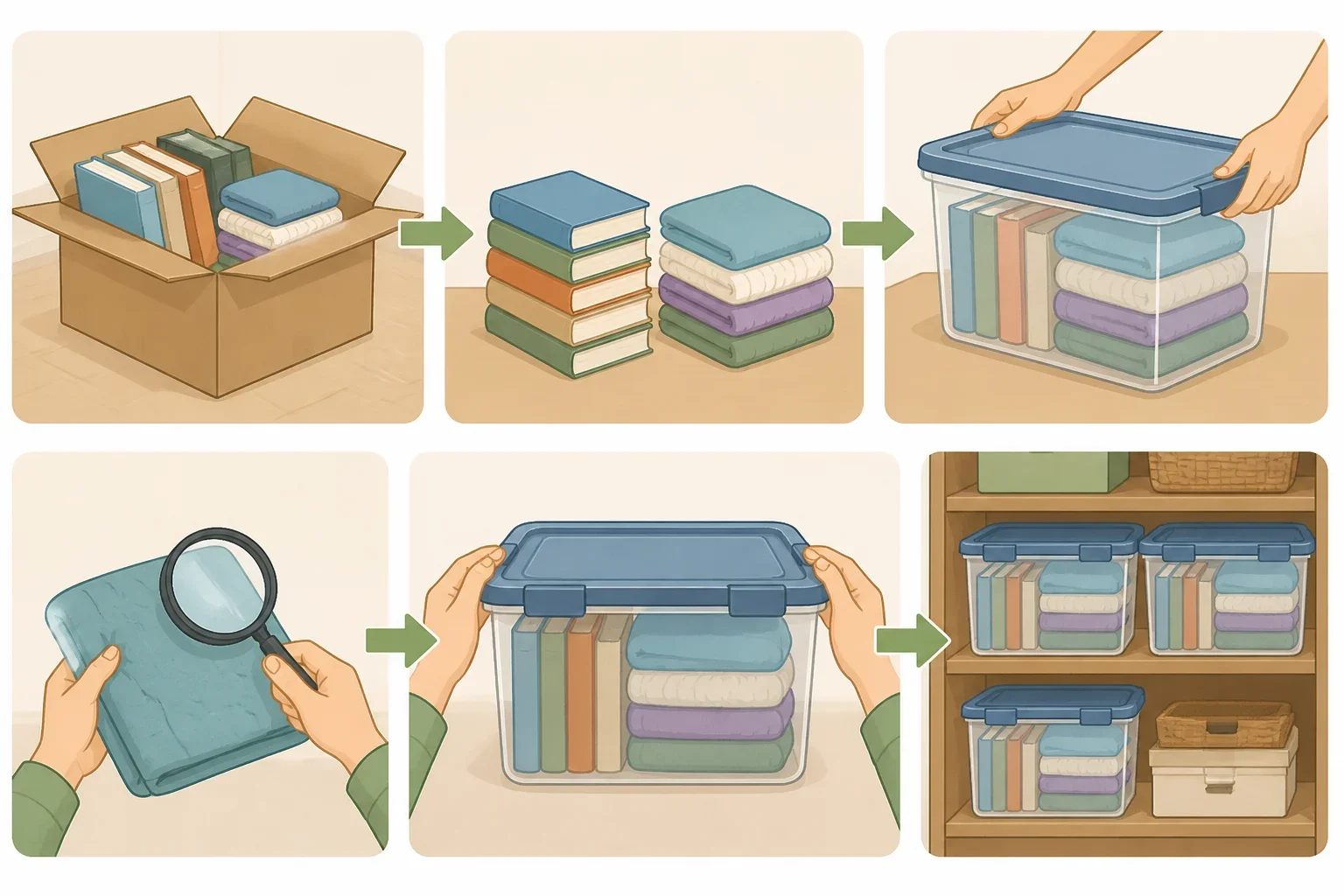
Books, documents, and stored fabrics deserve particular attention because some materials can be damaged by silverfish feeding.
Inspect belongings before placing them in clean, dry containers with tightly fitting lids. Replace damp cardboard storage boxes with suitable sealed containers, and make sure clothing and papers are completely dry before packing them away.
Avoid storing valuable books or sentimental documents directly against damp basement walls or on floors where water might collect. If an item is already damaged or unusually fragile, consider consulting a preservation specialist before attempting treatment.
Check secondhand books, boxes, and other stored materials before bringing them into your home. Silverfish can travel with belongings, even when the destination room is relatively dry.
5. Store pantry foods securely
Flour, cereal, oats, pasta, and dry pet food can provide food for silverfish and other household pests.
Transfer vulnerable foods into airtight containers, clean up spills promptly, and check pantry corners for accumulated crumbs or residue. Keep pet food bags properly closed rather than leaving them open on the floor.
These habits won't address a hidden moisture problem, but they remove another potential food source.
6. Seal cracks and gaps
Inspect gaps around baseboards, pipe openings, door frames, and other accessible joints where silverfish may hide or move between spaces.
Use an appropriate sealant on dry, sound surfaces to close small openings. Don't seal over an active leak, damaged material, or an area that still needs to dry.
Sealing gaps also helps reduce hiding places for other household pests, making it a useful part of routine home maintenance.
How to tell if silverfish are still active
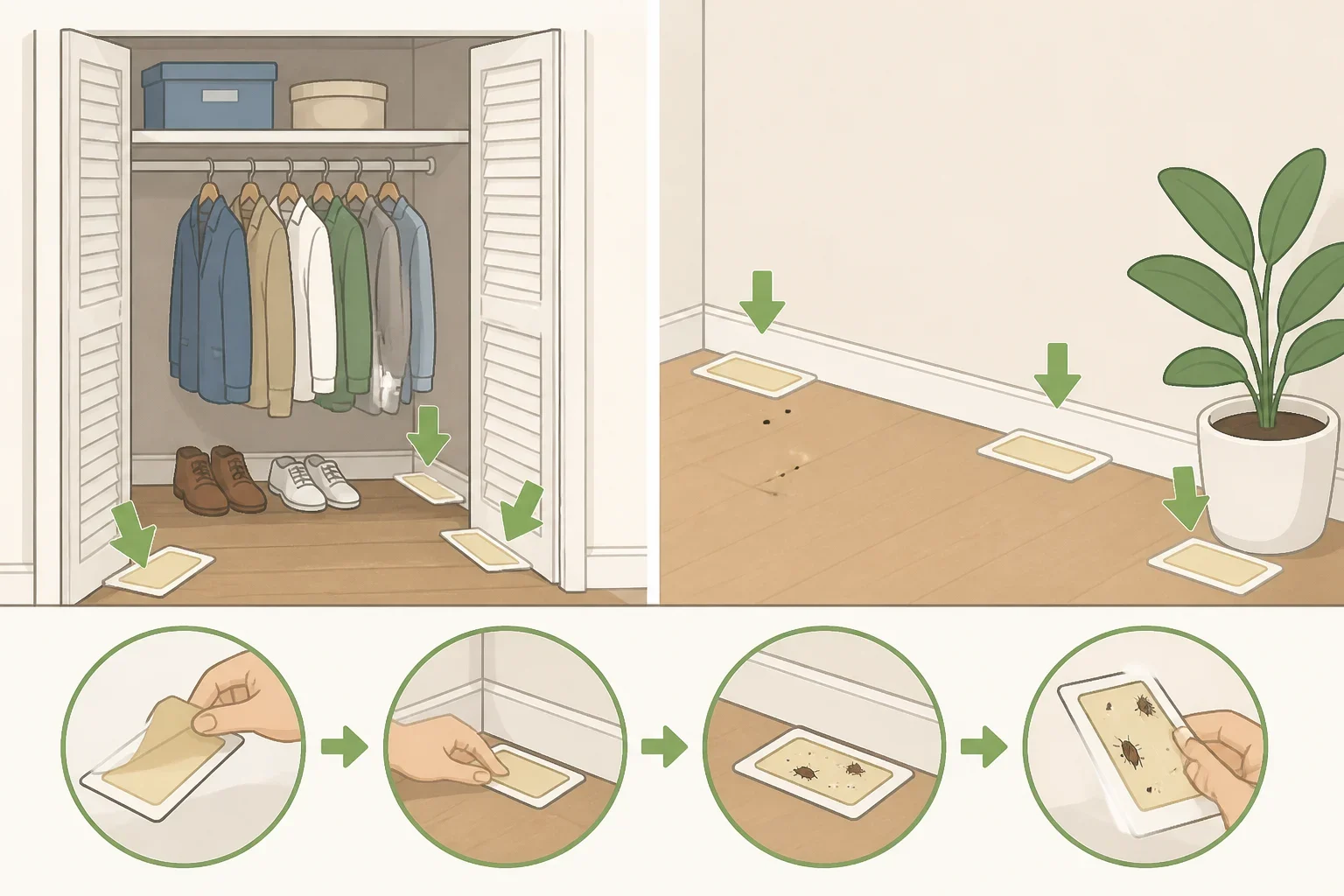
Once you've addressed obvious moisture and storage problems, monitor the areas where silverfish were appearing.
The University of California Integrated Pest Management Program recommends using sticky insect traps in corners and along edges where silverfish are likely to travel. Place traps near baseboards, inside closets, or close to affected storage areas, following the product's instructions.
Keep traps away from children and pets, and check them regularly. Record where insects appear so you can identify recurring activity rather than guessing which room is responsible.
Traps are useful for monitoring and catching individual insects, but they won't eliminate eggs or reach populations hidden inside walls. Continued sightings or fresh damage may indicate that additional inspection or treatment is needed.
Don't expect every silverfish to disappear immediately after fixing a leak. Existing insects may remain for some time, and moisture control is only one part of prevention.
When to call a pest control professional
An occasional silverfish doesn't necessarily justify chemical treatment. If sightings are infrequent and there's no ongoing damage, begin with moisture control, cleaning, sealed storage, and monitoring.
Professional help becomes more reasonable when silverfish appear repeatedly, belongings continue to suffer damage, or insects seem to be coming from inaccessible areas.
A qualified pest control professional can confirm the insect's identity, investigate likely hiding places, and determine whether targeted treatment is appropriate.
If you choose to use a pesticide yourself, select a product specifically labeled for silverfish and approved for the intended indoor location. Follow all label instructions, including application restrictions, ventilation requirements, and precautions for children and pets. Never assume that applying more product will produce better results.
Avoid widespread spraying or fogging as a substitute for investigating the infestation. Chemical treatment may reduce insect activity, but recurring moisture, clutter, and accessible food can allow the problem to persist.
Start with the places where water lingers: beneath sinks, inside closets, and around poorly ventilated storage areas. Fixing dampness, protecting vulnerable belongings, and checking for continued activity gives you a practical way to keep silverfish under control without treating every sighting as an emergency.
