
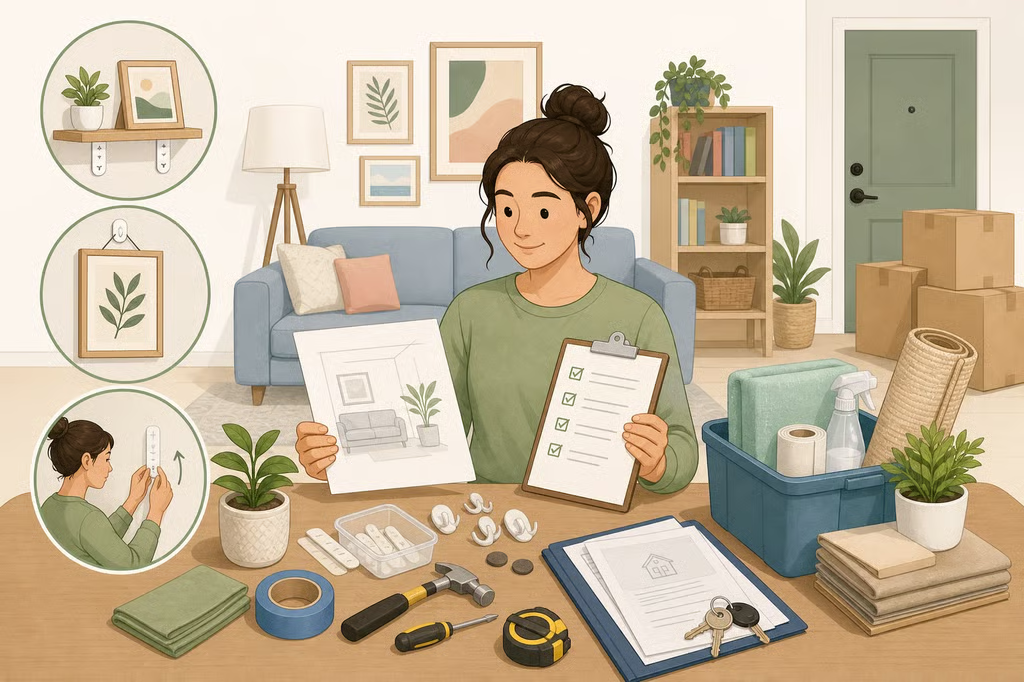
Decorating a small apartment comes with a familiar dilemma: You want a space that feels like yours, but you don't want to spend move-out day repairing walls, scraping off adhesive, or undoing changes that weren't allowed in the first place. Fortunately, making a rental more comfortable doesn't have to involve permanent renovations.
From portable storage to removable wall décor, a few thoughtful DIY projects can make even a studio apartment feel more organized and personal. The trick is choosing improvements that suit your space, following installation instructions, and knowing what your lease allows before you begin.
Before you decorate, check your lease
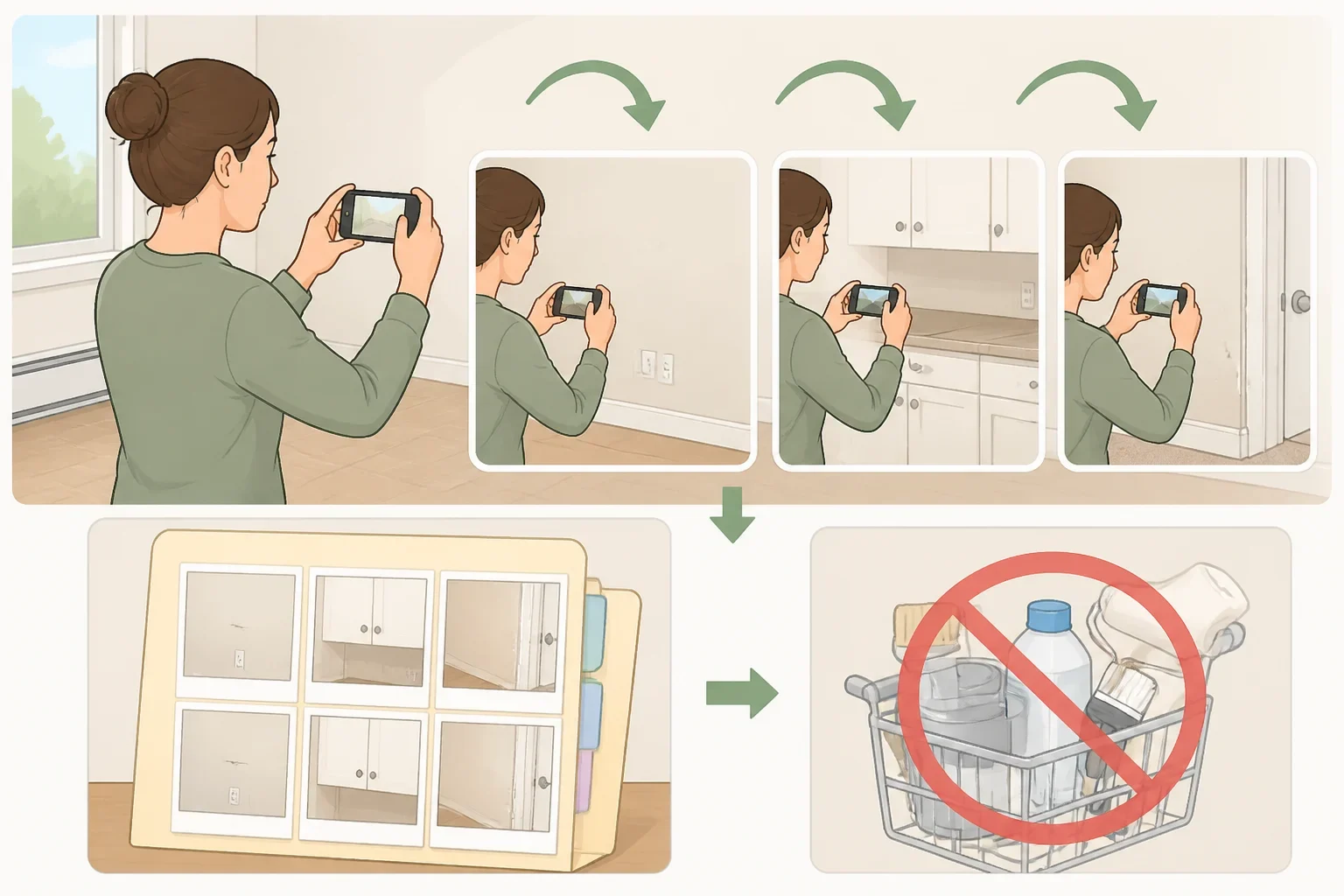
7 DIY ideas to make a small rental feel like home
1. Turn a narrow entryway into an organized drop zone
A small apartment doesn't need a dedicated foyer to have a useful entryway. A slim rolling cart or freestanding organizer beside the door can hold keys, mail, reusable bags, and other everyday essentials.
Choose a cart with shelves or baskets that keep smaller items contained. Measure the space first, leaving enough clearance for the door to open fully and for people to pass comfortably.
If the cart has wheels, look for a model with locking casters. Keep heavier belongings on lower shelves so the organizer stays stable.
2. Divide a studio apartment without building walls
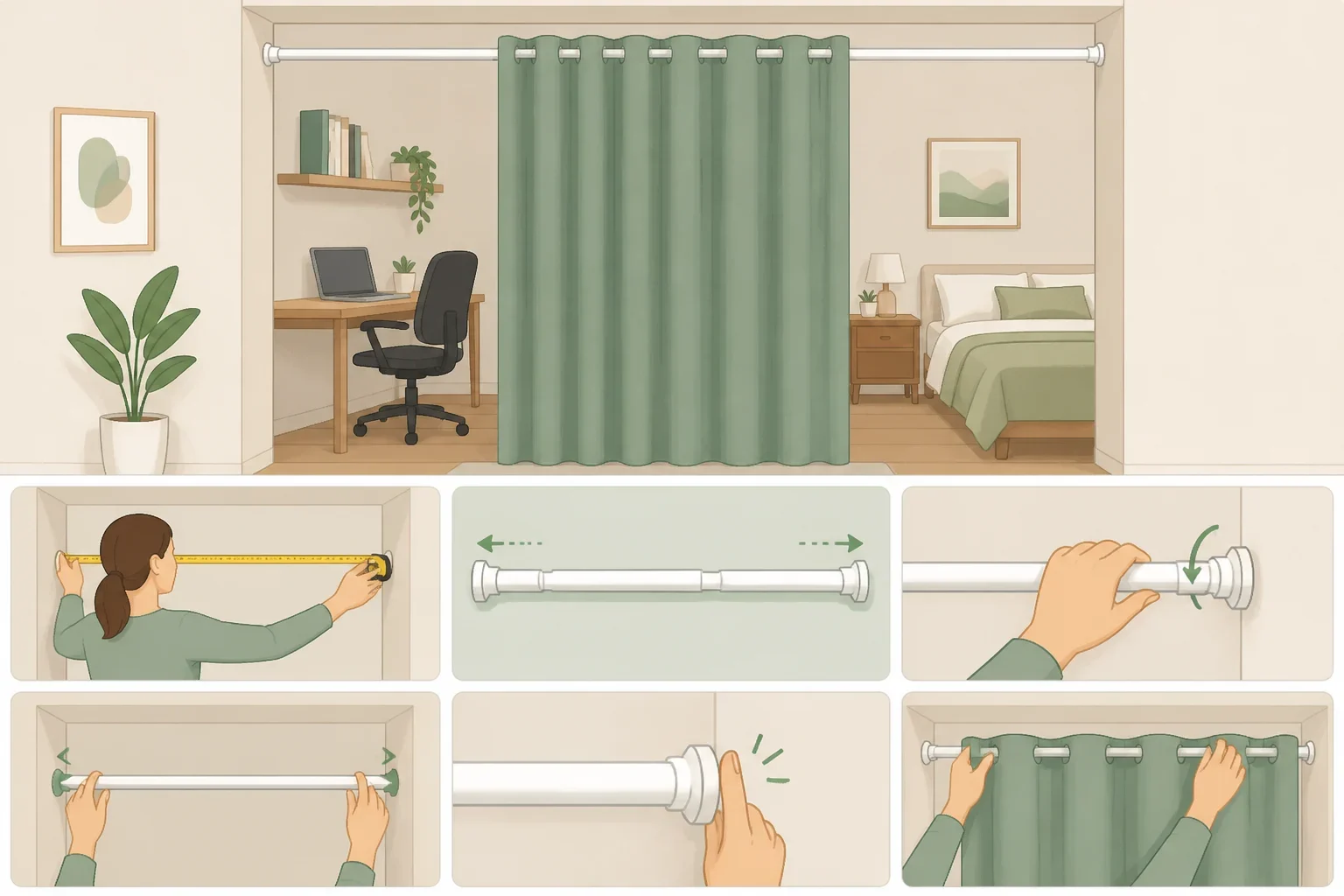
A studio can feel more like a one-bedroom apartment when the sleeping and living areas have some visual separation.
Try hanging a lightweight curtain from a tension rod across a suitable opening. Measure carefully, follow the rod's width and weight limits, and check whether its pressure points could mark the surrounding paint or trim.
A freestanding bookcase can also divide a room while adding storage, but it needs to be stable and properly secured when required. The U.S. Consumer Product Safety Commission's furniture tip-over prevention guidance emphasizes anchoring top-heavy furniture and following manufacturer instructions, particularly in homes with children.
If anchoring is necessary, arrange an approved installation with your landlord. A low, stable storage unit may be a more practical alternative for dividing the room.
3. Bring in color without repainting
You don't need to repaint an apartment to give it personality. Curtains, throw pillows, blankets, and an area rug can introduce color while leaving the walls untouched.
For a more noticeable change, consider peel-and-stick wallpaper on a small accent wall. Check that the product is compatible with the existing paint and follow its testing and removal instructions before covering a large area.
Avoid applying adhesive coverings to peeling paint, damp walls, or delicate finishes. Some removable wallpapers can still lift paint or leave residue, especially when the underlying surface is poorly maintained.
If you prefer traditional paint, get written approval first and confirm whether the landlord expects the original color to be restored.
4. Give cabinets a temporary makeover
Outdated cabinet fronts can make an otherwise pleasant apartment feel tired. Removable decorative film or contact paper offers a possible cosmetic update without replacing the cabinetry.
Begin with one small cabinet door rather than an entire kitchen. Check the material's compatibility with the finish, clean the surface according to the manufacturer's instructions, and test a concealed area before applying more.
Measure and cut the film carefully, then work from one edge to the other, smoothing bubbles as directed. Watch for peeling corners or changes to the finish after regular use and cleaning.
Avoid covering damaged surfaces or areas exposed to excessive heat, steam, or standing water unless the product is specifically designed for those conditions. Not every removable film is suitable for countertops or food-preparation areas.
5. Make the most of closets and under-bed space
When floor space is limited, the easiest storage improvements often involve using what you already have more efficiently.
Freestanding shelf risers can create an extra level inside a closet or cabinet. Stackable bins help separate seasonal clothing, accessories, and household supplies without attaching organizers to the walls.
Under-bed containers are another option for spare linens or clothing. Choose bins that fit comfortably beneath the bed and have smooth bases that won't scratch the flooring when pulled out.
Keep heavier belongings on lower shelves, follow weight limits, and avoid stacking containers so high that they become unstable. For any furniture that requires anchoring, don't skip the manufacturer's safety instructions to avoid making holes.
6. Hang artwork without traditional picture hooks
A few framed prints can make a rental feel more personal, even when drilling isn't allowed. Removable picture-hanging strips may work for lightweight frames on compatible surfaces.
Check the product's weight rating, the frame's dimensions, and the wall finish before installation. Clean and prepare the surface as directed, and allow the adhesive to set for the required time.
For example, 3M's Command brand provides specific application and removal instructions for its picture-hanging strips. The company warns against using them on wallpaper, above beds, or for valuable items, and instructs users to stretch the removal tabs downward against the wall rather than pulling outward.
Other adhesive products may have different requirements. Follow the directions for the exact product you're using, and avoid hanging heavy or fragile objects where a failed attachment could cause injury or damage.
7. Brighten dark corners with portable lighting
Poor lighting can make a small apartment feel cramped, particularly when there's little natural light. A floor lamp beside a reading chair or a table lamp on a dresser can brighten the space without replacing built-in fixtures.
Choose lighting that fits the room's proportions and position it where cords won't create a tripping hazard. Follow the fixture's electrical instructions, avoid overloading outlets, and never conceal power cords beneath rugs.
A well-placed lamp can also help define a reading nook or workspace, giving an open-plan apartment a more purposeful layout without changing its structure.
Check your projects before settling in
Once everything is in place, walk through the apartment and look for problems that might not have been obvious during installation.
Open nearby doors and drawers, check that furniture is stable, and make sure storage units aren't scraping floors or blocking walkways. Inspect adhesive edges and decorative coverings after cleaning or regular use. If something begins peeling, bubbling, or damaging the underlying finish, stop rather than covering the problem with another layer.
Leave electrical alterations, structural changes, and complex wall-mounted installations to qualified professionals.
Remove your DIY upgrades without damaging the apartment
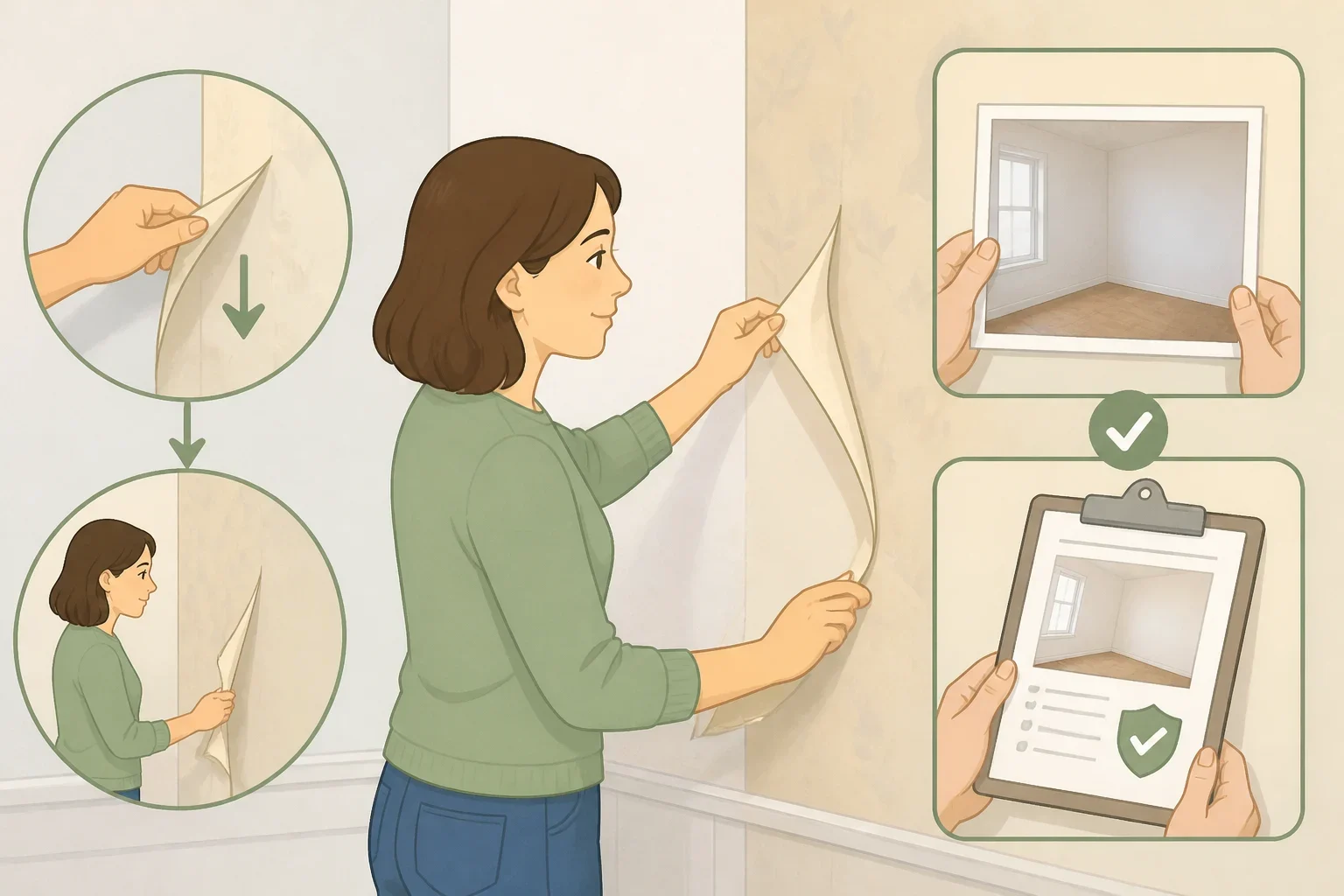
Before moving, review your lease and any written approvals to see which changes must be removed or restored. Compare the apartment with your original photos, then take down temporary decorations according to their manufacturer's instructions.
Don't rush adhesive removal or assume that patching a hole or applying matching paint will automatically restore the original finish. If removal begins damaging a surface, stop and discuss the problem with your landlord before attempting further repairs.
Once your projects are removed, photograph the apartment again and keep copies of any move-out inspection records. If you're unsure whether a particular change needs to be reversed, ask before attempting repairs that could make the problem worse.
With careful planning and removal, you can enjoy a space that feels like your own while reducing the risk of avoidable damage when your lease ends.
