
- How to get a 1% student loan interest rate reduction autopay before Sept. 30
- How the federal student loan autopay interest rate discount works
- Who qualifies for the student loan autopay discount
- How to enroll in autopay for federal student loans
- Continuous enrollment can affect the benefit
- Questions to ask the servicer before Sept. 30
How to get a 1% student loan interest rate reduction autopay before Sept. 30
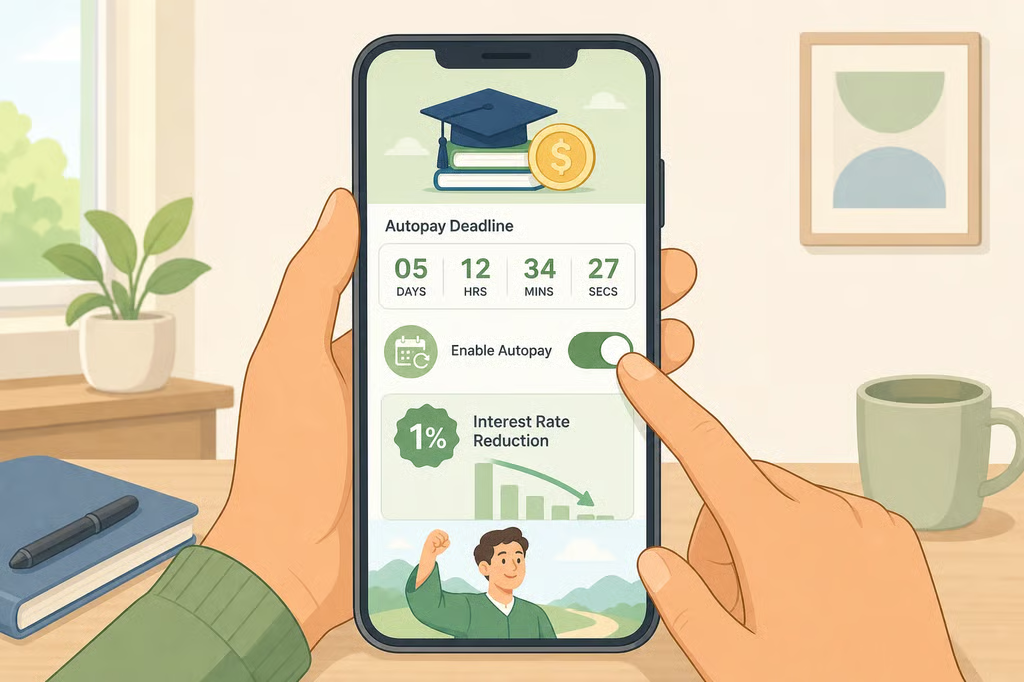
Borrowers who want the new 1% student loan interest rate reduction autopay benefit have until September 30, 2026, which is tomorrow, to enroll through their loan servicer. The benefit applies to qualifying Federal Direct Loan borrowers and runs through June 30, 2028, including borrowers who were already enrolled in autopay, according to a Department of Education fact sheet.
The program covers Federal Direct Loans originated after July 1, 2012, including loans held by student borrowers and Parent PLUS borrowers. Existing autopay users are expected to receive the reduction automatically, while new enrollees must contact their servicer rather than assume the benefit will activate on its own, Forbes reported in July.
One point remains unsettled in the available reporting. The Department describes the benefit as a total 1-percentage-point reduction, while SavvyFi calculates a total reduction of 1.25 percentage points by adding the new 1% reduction to the existing 0.25% autopay discount. For household budgeting, the safer approach is to plan around the Department’s 1% figure and confirm the rate shown in the servicer account.
How the federal student loan autopay interest rate discount works
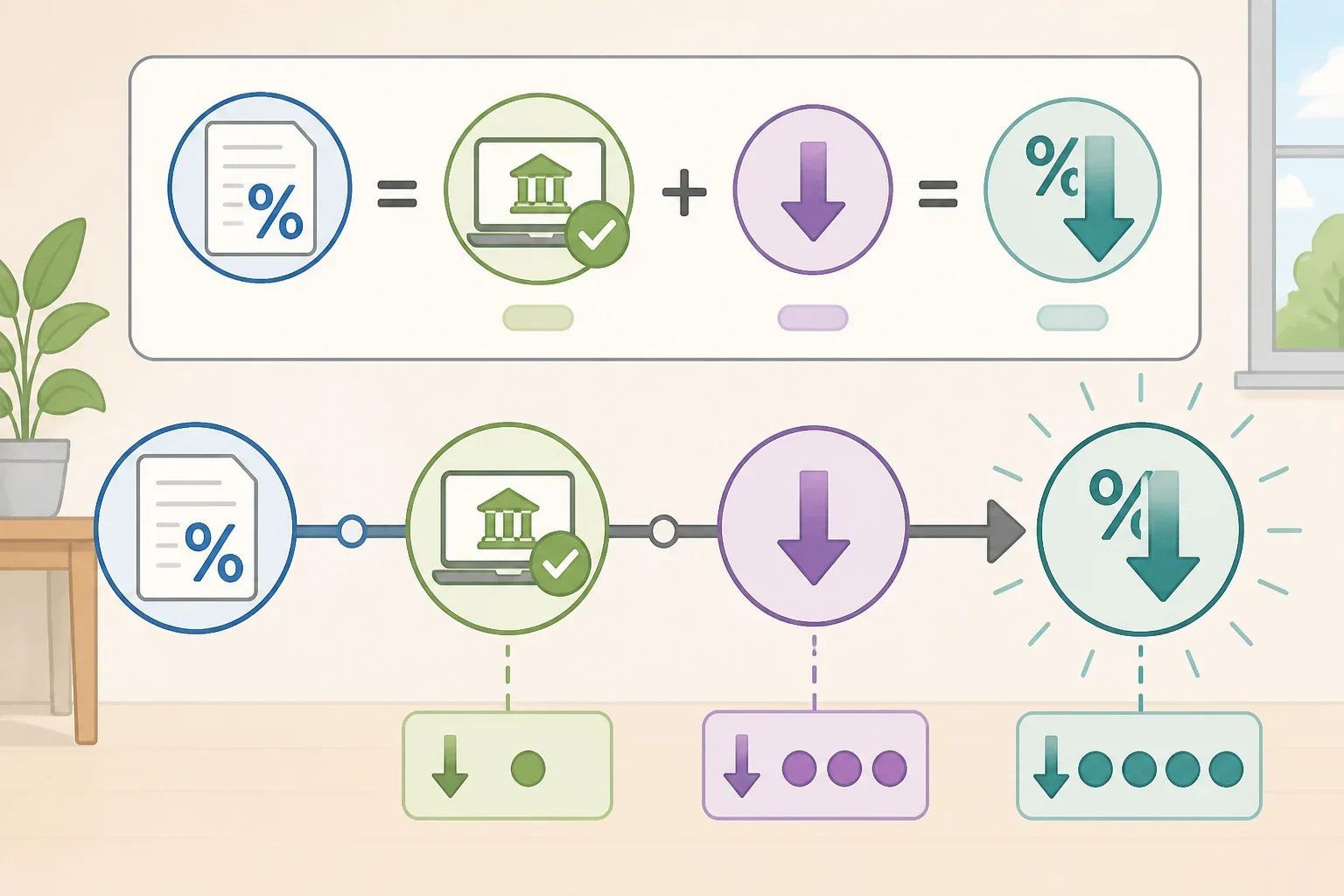
Before this change, servicers generally offered a 0.25-percentage-point rate reduction to borrowers enrolled in autopay, according to the Department of Education fact sheet.
The new benefit is described as an enhanced 1% reduction for eligible federal student loan borrowers. Forbes characterized it as a two-year increase from the usual 0.25% autopay discount in its July coverage, rather than as a temporary payment coupon or a one-time credit.
That distinction matters. An interest rate reduction changes the rate used to calculate interest, while autopay itself controls how scheduled payments are withdrawn. A lower rate does not eliminate the need to make payments on time or keep the linked bank account ready for withdrawal.
SavvyFi presents the calculation differently, reporting that the new 1% reduction stacks on top of the existing 0.25% discount for a total reduction of 1.25 percentage points. That interpretation conflicts with the Department’s description of a total 1% reduction. Since the available sources do not resolve the disagreement with a servicer-specific calculation, borrowers should check the rate assigned to each eligible loan rather than rely on a headline number.
Who qualifies for the student loan autopay discount
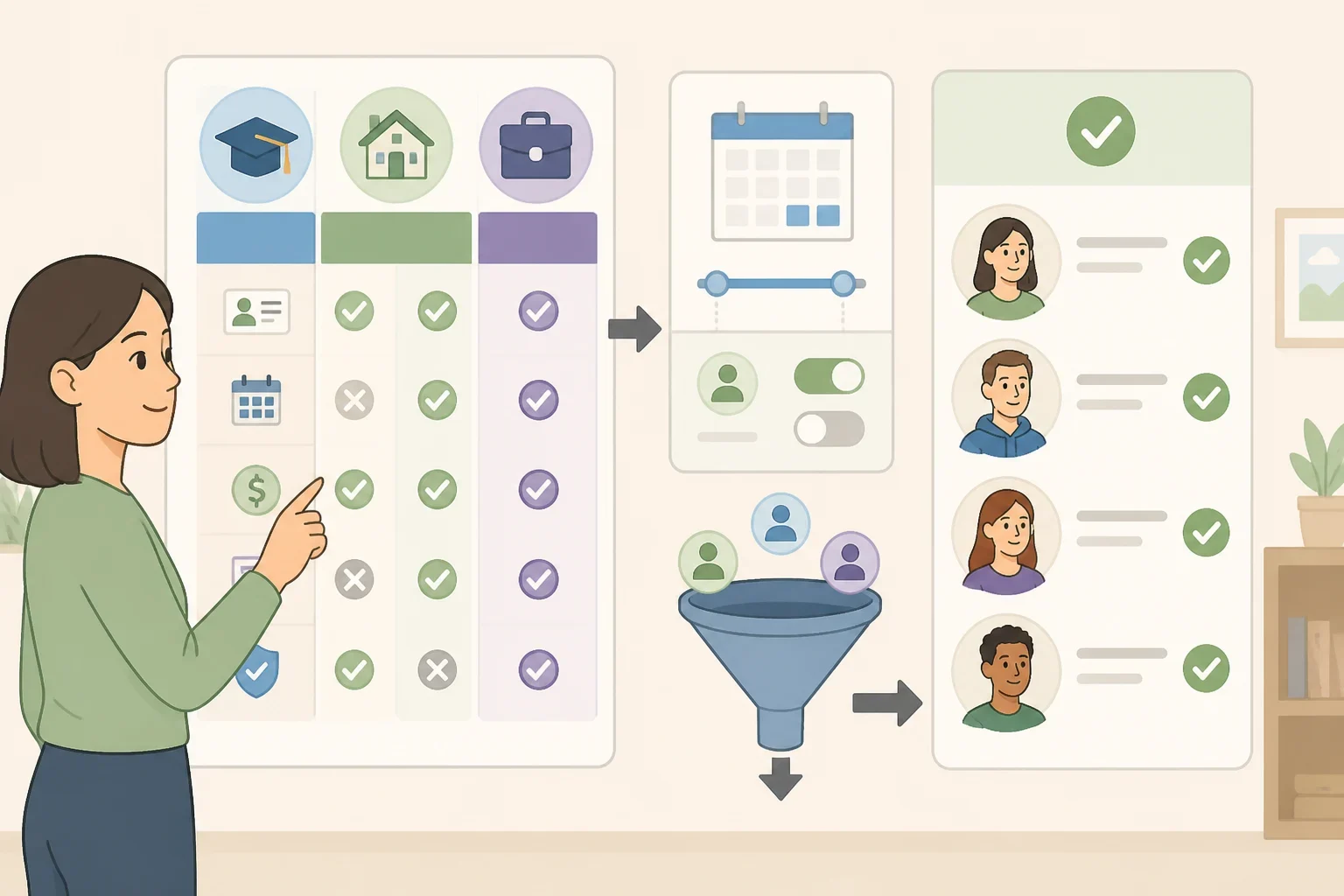
The basic eligibility test is whether the borrower has a qualifying Federal Direct Loan originated after July 1, 2012. Student borrowers and Parent PLUS borrowers are included, according to SavvyFi.
That means a borrower with several federal loans should review the loans individually. Automatic payments on one loan do not necessarily answer whether every loan in the account meets the Federal Direct Loan and origination-date requirements.
Repayment-plan status can create another hurdle. Borrowers who remain in the now-defunct SAVE Plan must choose a legal repayment plan starting July 1, 2026 before accessing the reduction, according to the Department of Education fact sheet.
Borrowers in default may also qualify after bringing their loans back into good standing. SavvyFi reports that this may involve consolidation and selecting a new repayment plan. The practical point is simple: turning on automatic payments may not be enough if the loan’s repayment status still blocks eligibility.
How to enroll in autopay for federal student loans
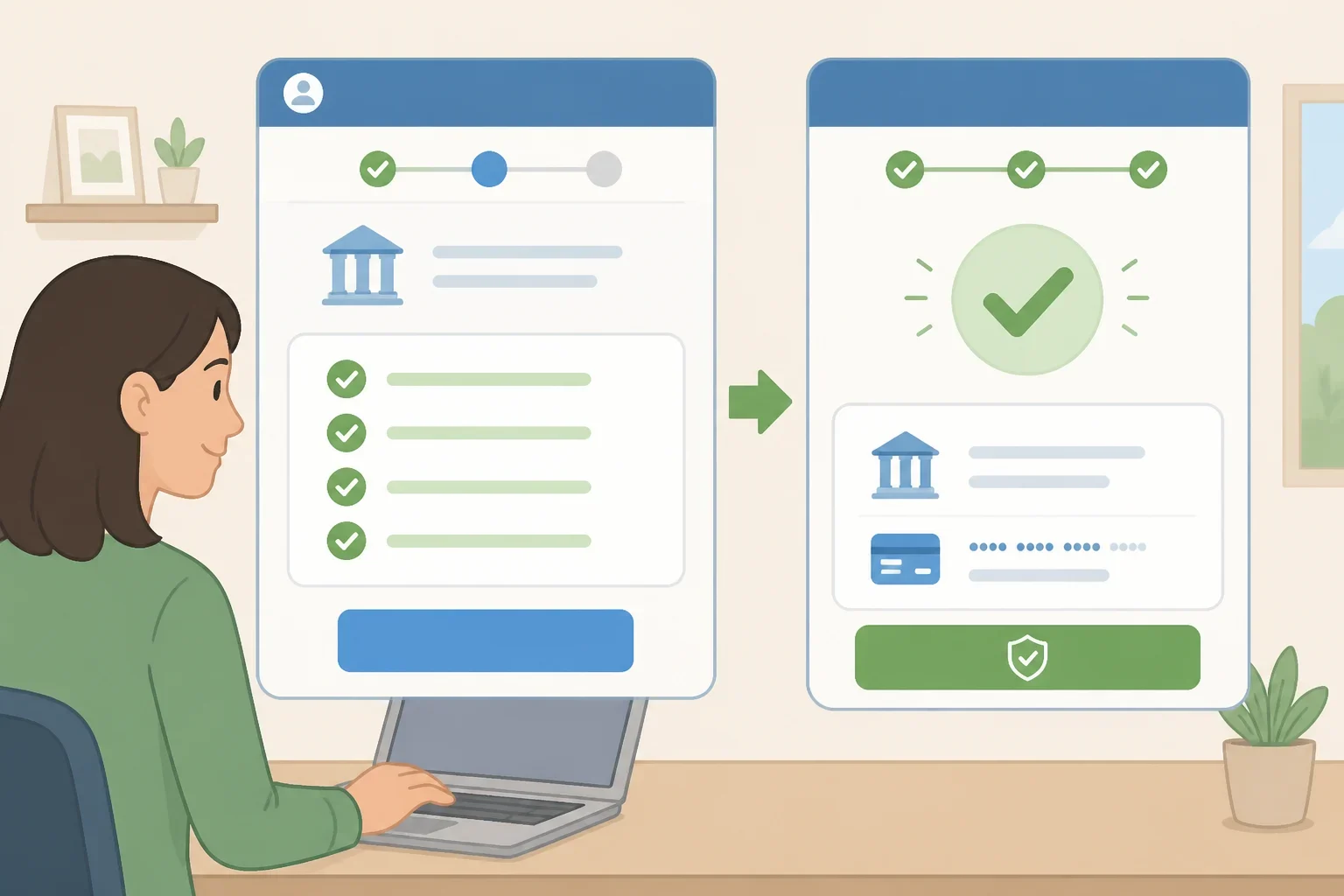
Borrowers already enrolled in autopay do not need to enroll again for the new benefit, according to the Department of Education fact sheet. Even so, checking the account is worthwhile. The reduced rate should be visible in the borrower’s loan information or billing details once the servicer applies it.
Borrowers who are not enrolled must contact their servicer and complete enrollment by September 30, 2026. Forbes reported in July that new enrollees should not assume that visiting a general federal student aid page or making a manual payment will complete the process.
Before enrolling, check:
- Whether the loan is a Federal Direct Loan.
- Whether it was originated after July 1, 2012.
- Whether the repayment plan is valid, especially if the account was previously in SAVE.
- Whether the loan is in good standing, or what steps are needed to restore it.
- Whether the linked bank account will remain funded.
- Whether employer student-loan contributions could interfere with scheduled withdrawals.
The bank-account check is easy to overlook. Autopay can lower the interest rate, but an unsuccessful withdrawal may create a separate payment problem. Borrowers changing banks should ask the servicer how to update the account without interrupting the benefit.
Continuous enrollment can affect the benefit
SavvyFi reports that borrowers must stay enrolled in autopay to keep the reduction. Its July reporting also describes situations involving employer repayment assistance, where borrowers paused autopay to coordinate contributions and lost the enhanced rate reduction during the interruption.
Re-enrolling may restore the standard 0.25% servicer discount, but SavvyFi reports that it may not restore the federal 1% benefit for the months when autopay was inactive. That makes employer contributions, bank changes, and payment corrections worth sorting out before autopay is cancelled.
The same report found that more than 80% of borrowers in repayment used autopay before the pandemic, compared with about 40% in July 2026. Those figures explain why the enrollment push may reach many borrowers, but they do not determine eligibility for an individual loan.
Questions to ask the servicer before Sept. 30
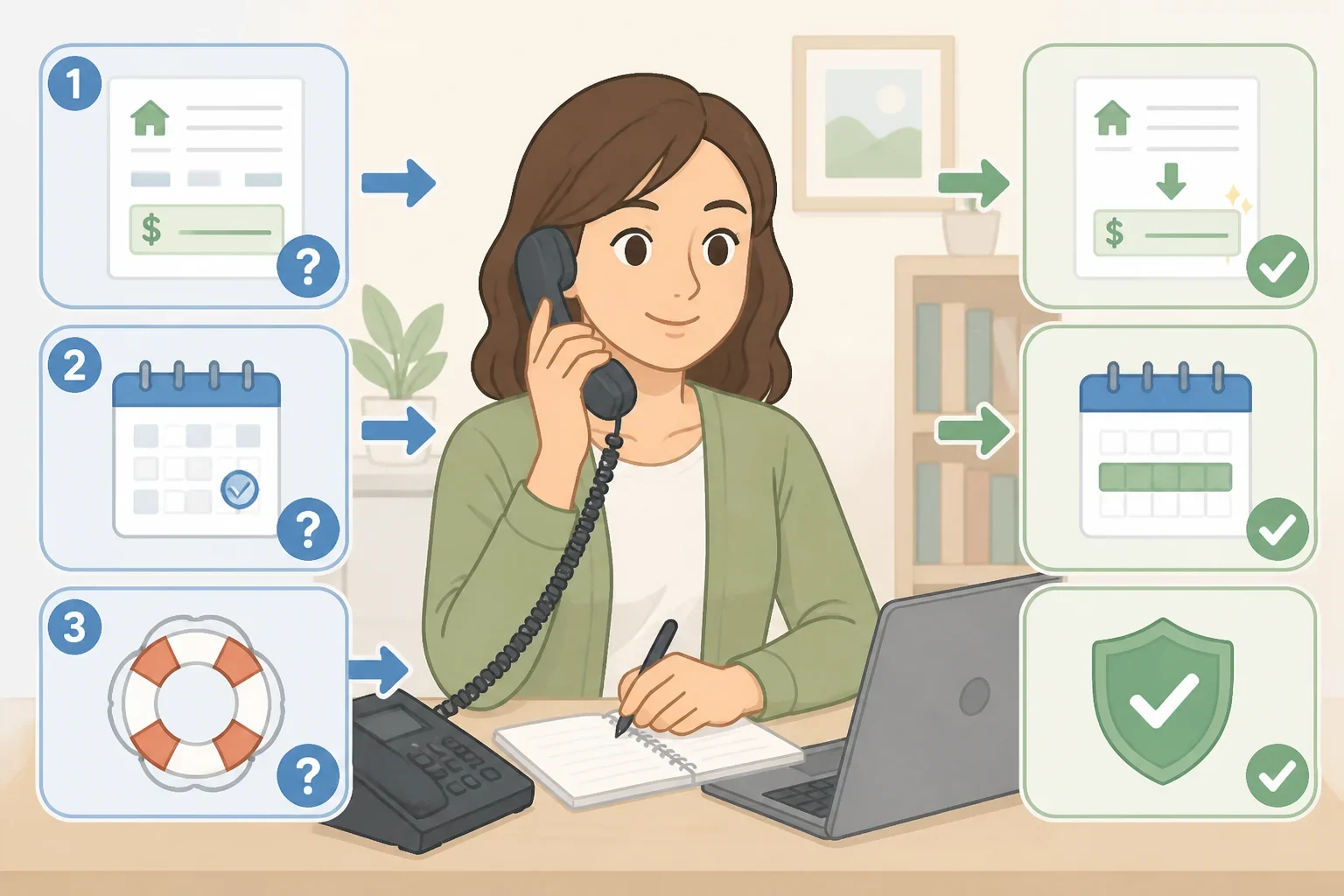
A short call or secure message to the servicer can clarify the points the general program description does not settle:
- Is each loan eligible based on its type and origination date?
- Does the current repayment plan meet the requirements?
- What must a borrower in default complete before enrolling?
- How will employer contributions interact with scheduled autopay withdrawals?
- What happens if the bank account changes or autopay is paused?
- What rate will appear on each eligible loan?
- When should the reduction show in the account?
The benefit period runs from July 1, 2026, through June 30, 2028, for borrowers who meet the stated conditions, according to SavvyFi. Borrowers already using autopay should review their account for the adjusted rate. Those who are not enrolled should contact their servicer tomorrow, September 30, and complete the process rather than waiting for automatic enrollment.
For anyone dealing with SAVE, default, employer payments, or a bank-account change, resolve that issue with the servicer before turning autopay off. Keeping the payment setup uninterrupted may be just as important as signing up in the first place.
