
- 2027 Social Security tax cap: $192,300 and what changes in your paycheck
- What is the 2027 Social Security tax cap?
- How much can you earn before Social Security tax stops in 2027?
- What keeps coming out after the 2027 Social Security wage base?
- Who is affected by the 2027 payroll tax limit?
- What to check as earnings approach the cap
2027 Social Security tax cap: $192,300 and what changes in your paycheck
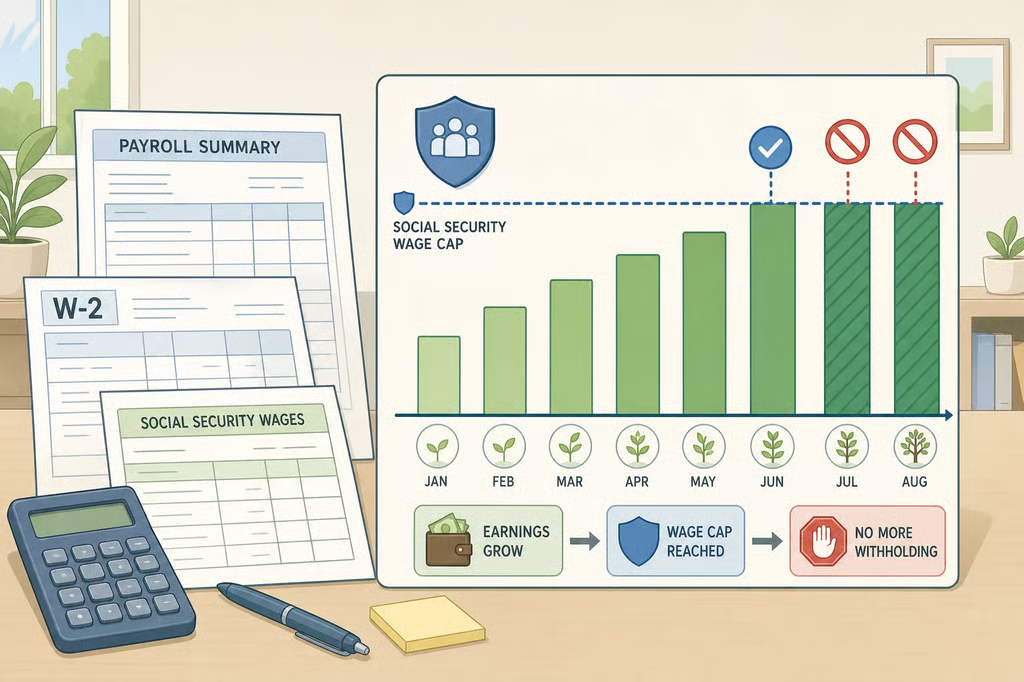
The 2027 Social Security tax cap is $192,300, the maximum amount of covered wages and tips subject to the 6.2% employee share of Social Security payroll tax. Once an employee reaches that wage level during 2027, the employer should stop withholding the employee’s Social Security tax for the rest of the year, while continuing to withhold income tax and Medicare tax, according to IRS guidance published last week.
The change affects higher earners most directly. It also comes alongside a separate Social Security update announced last week: benefits and Supplemental Security Income payments will increase by 3.6% in 2027, affecting 76 million Americans, according to SSA’s update. A higher wage base changes payroll withholding. The COLA changes benefit payments. They are not the same adjustment.
What is the 2027 Social Security tax cap?

The 2027 Social Security taxable maximum is $192,300. The employee Social Security rate is 6.2%, and the employer pays a matching 6.2%, for a combined rate of 12.4%, according to the IRS.
That means an employee who earns at least $192,300 in covered wages can have a maximum of $11,922.60 withheld for Social Security during the year:
- $192,300 × 6.2% = $11,922.60
The employer’s matching contribution is separate. It does not come out of the employee’s paycheck.
The wage base applies to the Social Security portion of payroll tax, also called the OASDI portion. It does not create a ceiling for every payroll deduction. Medicare tax follows different rules, and federal income-tax withholding can continue after Social Security withholding stops.
How much can you earn before Social Security tax stops in 2027?
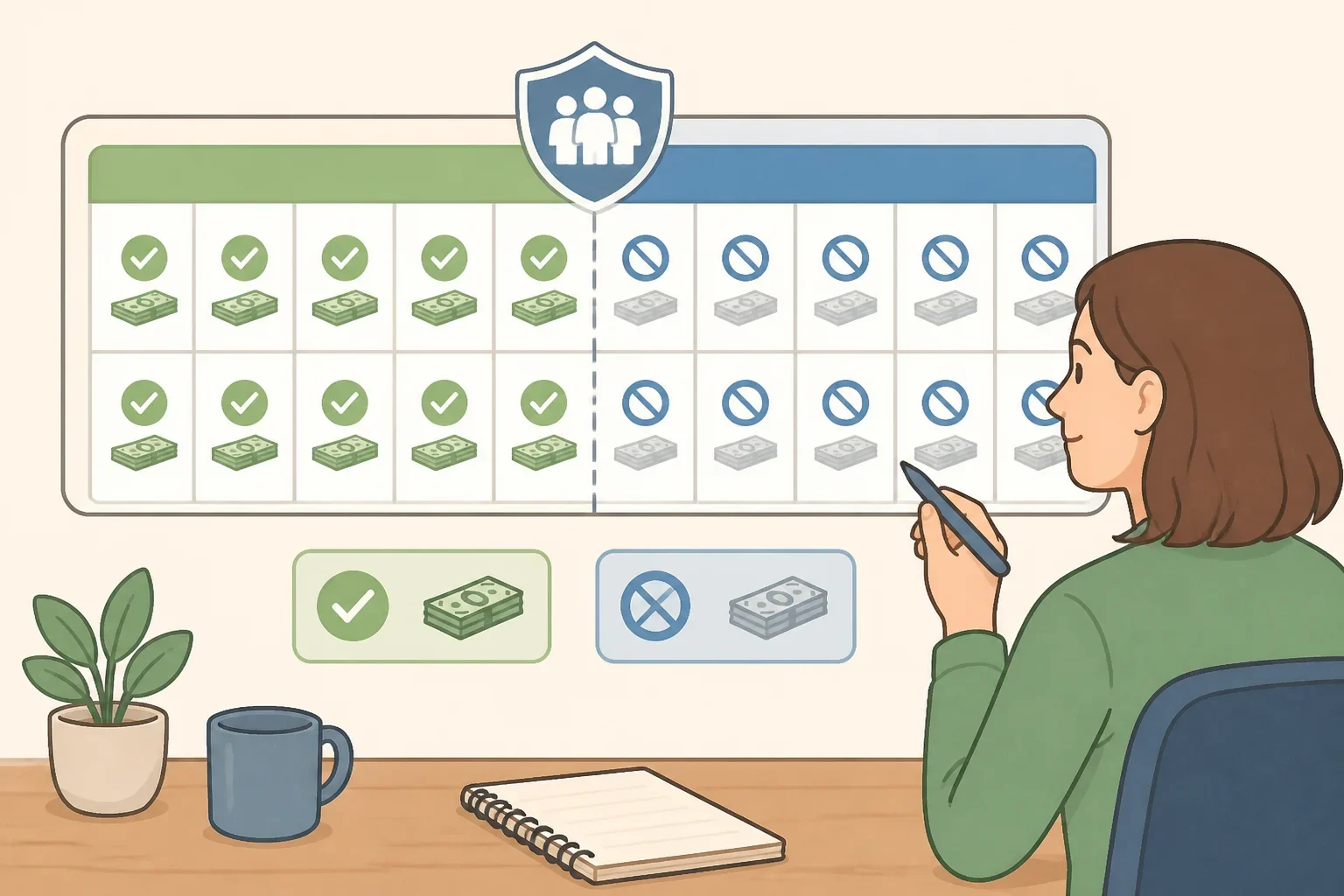
Employees continue paying the 6.2% Social Security tax on covered wages and tips until their year-to-date pay reaches $192,300. After that point, the employer should stop collecting the employee share for the rest of the calendar year, while continuing income-tax and Medicare-tax withholding, the IRS says.
Consider an employee earning $250,000 in salary, paid in 26 equal biweekly checks, with no bonus or other wage adjustment. Under those assumptions:
- Each gross paycheck is about $9,615.38.
- Social Security withholding is about $596.15 per full paycheck before the wage base is reached.
- The employee reaches the wage base during roughly the 20th paycheck.
- A full paycheck after the cap is reached is about $596.15 higher before other deductions are considered.
The paycheck in which the employee crosses $192,300 will not show the full increase. Social Security tax applies only to the portion of that check needed to reach the annual limit. The larger change appears on a later full paycheck.
That increase affects only the Social Security deduction. Medicare tax, federal income-tax withholding, retirement contributions, insurance premiums, and other deductions may continue. As a result, the final take-home increase can be smaller than the Social Security amount that drops off.
The timing will vary with the first pay date, pay frequency, bonuses, commissions, overtime, and other taxable wages. Two employees with the same annual salary may reach the 2027 Social Security wage base on different paychecks.
Tips can shift the timing as well. Tips are generally subject to both the employer and employee shares of Social Security and Medicare taxes when the tips received are $20 or more in a month, according to the IRS rules. Reported tips can push a worker to the wage base sooner than salary alone would.
What keeps coming out after the 2027 Social Security wage base?

Medicare tax does not stop when Social Security withholding stops. The employee Medicare rate is 1.45%, and there is no wage base limit for Medicare tax, so covered wages remain subject to Medicare tax throughout the year, according to the IRS.
Employers must also withhold an additional 0.9% Additional Medicare Tax from wages paid to an employee above $200,000 in a calendar year. The employer-withholding threshold is higher than the $192,300 Social Security wage base.
For a high earner, withholding can move through three stages:
- Before covered wages reach $192,300, the paycheck includes Social Security tax and regular Medicare tax.
- After covered wages reach $192,300, Social Security withholding stops, but the 1.45% Medicare tax continues.
- After wages exceed $200,000, the employer also begins withholding the additional 0.9% Medicare tax.
The $200,000 amount is the employer-withholding threshold. It is not automatically the same as every taxpayer’s final Additional Medicare Tax liability, which can depend on individual filing and income circumstances. The employer’s withholding rule and the final tax calculation are separate steps.
That is why a paycheck may become larger after Social Security withholding ends, then show a different Medicare deduction once wages pass $200,000. One payroll tax has reached its annual limit, but other withholding remains in place.
Who is affected by the 2027 payroll tax limit?
The 2027 payroll tax limit for Social Security primarily affects employees whose covered wages exceed $192,300. Someone earning less than that amount generally continues to have Social Security tax withheld from covered wages throughout the year. Someone earning more pays the employee rate only on covered wages up to the wage base.
The IRS lists a separate threshold for household employers. Social Security and Medicare taxes apply to wages paid to household workers who receive $3,100 or more in cash wages during 2027, according to Publication 15. That threshold concerns household employment and is separate from the wage base for higher-earning employees.
The two Social Security announcements made last week also serve different groups. The 3.6% COLA changes benefit payments for 2027, while the wage base determines how much of a worker’s earnings is subject to the 6.2% OASDI tax. One does not determine the other.
What to check as earnings approach the cap
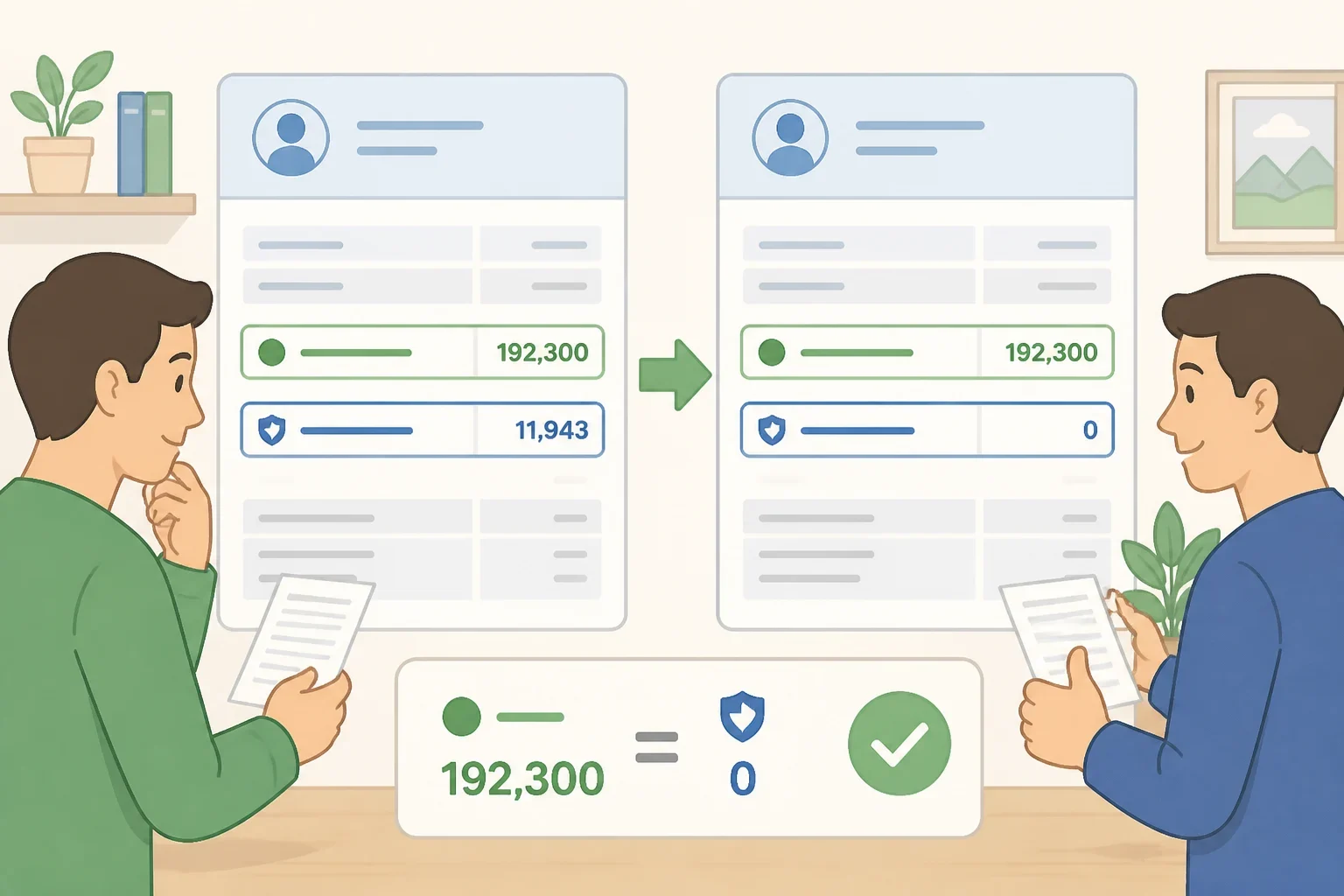
Employees nearing the maximum earnings subject to Social Security tax 2027 should compare the year-to-date Social Security wages on a pay stub with the year-to-date Social Security withholding. Review those figures alongside bonuses, commissions, reported tips, and other wages that could affect when the cap is reached.
After covered wages reach $192,300, the Social Security withholding line should stop for the rest of the year. Medicare withholding should continue, and the additional Medicare withholding rule may apply after wages exceed $200,000.
A paycheck that does not change exactly as expected is not automatically an error. The cap can be reached partway through a pay period, and other deductions can change the final take-home amount. If the year-to-date wages and withholding do not appear to match the payroll rules, the employer’s payroll department is the right place to investigate.
For household budgeting, the practical number is $192,300. Social Security withholding stops at that covered-wage level, but Medicare and income-tax withholding continue. Checking pay stubs as earnings approach the limit can help catch a payroll issue before year-end records are finalized.
