
- Free Government Debt Relief Programs: How to Verify and Avoid Scams
- Do free government debt relief programs forgive every kind of debt?
- What government debt relief assistance exists for mortgages and consumer debt?
- Choose the next step by debt type
- How to avoid government debt relief scams
- How to find legitimate government debt relief programs
- The practical bottom line
Free Government Debt Relief Programs: How to Verify and Avoid Scams
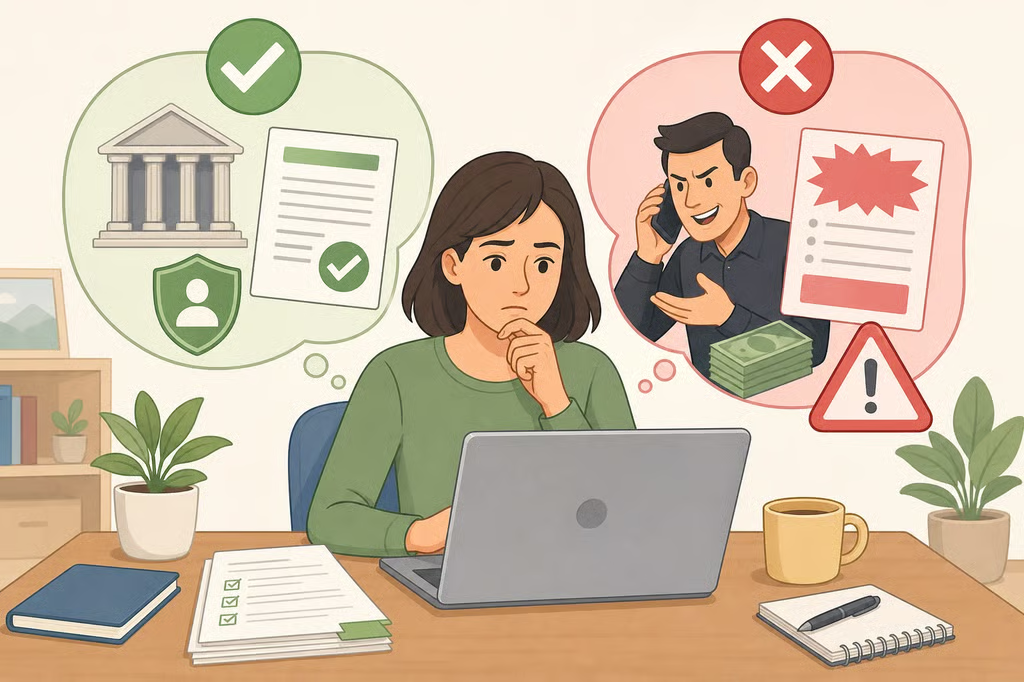
When a household is juggling student loans, a mortgage, medical bills, or credit cards, an offer of free government debt relief can sound like the answer. That urgency is exactly what debt-relief scammers exploit.
The plain-language answer is narrower: qualifying federal student loan borrowers may have a legitimate path to forgiveness through an income-driven repayment, or IDR, plan. For mortgage and other consumer debt, the sources reviewed here point instead to contacting the creditor, asking about hardship options, and using housing or credit counseling. That is assistance, not a government check that pays off every bill.
The distinction matters before anyone shares account information or pays a company. Federal student loan borrowers on an IDR plan may have a remaining balance forgiven after 20 to 30 years of qualifying payments, according to MOHELA three months ago. Six months ago, the FTC also described an alleged operation that pretended to be connected to the Department of Education and loan servicers while charging illegal upfront fees.
Do free government debt relief programs forgive every kind of debt?

For the debt types covered here, the clearest federal forgiveness path is tied to qualifying federal student loans. Even there, forgiveness is conditional. A borrower must meet the requirements of an eligible IDR plan and make qualifying payments. Forgiveness is not immediate, automatic, or available simply because a loan is difficult to repay.
IDR plans generally adjust a federal student loan payment based on income and family circumstances. The relevant question is not just, “Do you have student loans?” It is whether the loan, repayment plan, and payment history meet the rules that apply to the forgiveness program.
The timeline is long enough to affect how a couple or family plans its budget. A promise that a company can erase the balance this week does not resemble the program described by the federal student loan guidance.
IDR payments can also count toward Public Service Loan Forgiveness, or PSLF, for borrowers who meet separate public-service employment and payment requirements. IDR enrollment alone does not guarantee PSLF. Anyone considering that route should verify both the employment requirement and the payment record through the official federal student loan account rather than relying on a salesperson’s summary.
Past repayment, deferment, and forbearance periods may also count toward IDR forgiveness because of the payment-count adjustment described in the MOHELA guidance. “May” is doing real work here. The adjustment does not mean every past month qualifies, and an account’s official payment history is more useful than an advertisement promising a particular forgiveness date.
What this does not cover
This article does not establish that no federal, state, bankruptcy, tax, disaster, or hardship program exists outside the sources reviewed. Those options can depend on the type of debt, location, income, legal status, lender, and a household’s circumstances.
It does establish a practical boundary for evaluating advertisements:
- Counseling is not debt cancellation.
- A creditor payment plan is not federal forgiveness.
- Refinancing is not forgiveness.
- Mortgage assistance is not automatically a government program that removes the mortgage.
- A company calling itself “government-approved” has not proved that claim merely by using those words.
A legitimate program should be verifiable through an official agency or account. It should also explain eligibility and required steps without promising that every borrower qualifies.
What government debt relief assistance exists for mortgages and consumer debt?
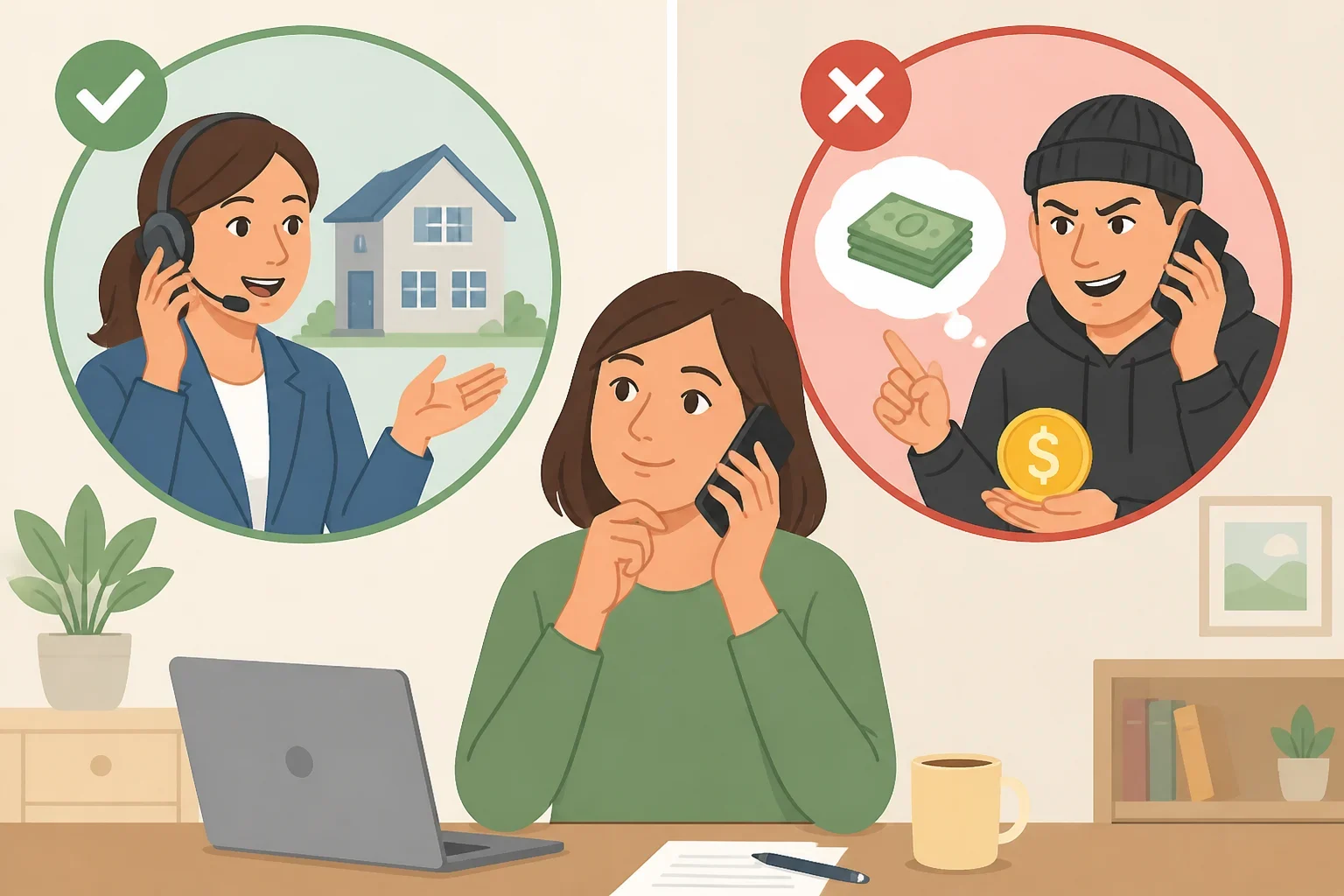
Mortgage help is real, but it usually begins with the servicer or lender, not a private company demanding money to “unlock” a secret benefit. The FTC said six months ago that homeowners having trouble making mortgage payments should contact the company they owe, explain the hardship, and ask about a payment plan. The agency also points homeowners toward housing counselors for legitimate help.
That sequence can help a household avoid paying the wrong person while a mortgage problem grows. Use the lender or servicer’s independently verified contact information, explain what has changed, and ask what hardship options are available. Do not assume a caller who knows the property address is connected to the lender.
The FTC has also warned that mortgage-relief scammers may call unexpectedly and promise to modify a mortgage or prevent foreclosure if the homeowner pays upfront. The agency says companies cannot charge a fee before providing mortgage-relief services. An upfront request is a warning sign.
Credit card and medical debt require a different conversation. The sources reviewed here do not identify a broad federal forgiveness program for those balances. A household can contact each creditor, explain the payment problem, and ask whether a repayment arrangement is available. A credit counselor may also help build a plan.
Counseling can be useful, but it is not the same as government debt cancellation. The FTC said seven months ago that some companies offer free and paid services, including budget counseling and debt-management classes. Ask what is free, what costs money, what service will be provided, and when any fee is charged. A counselor should not need to pretend to be a federal agency to explain a household budget.
Choose the next step by debt type
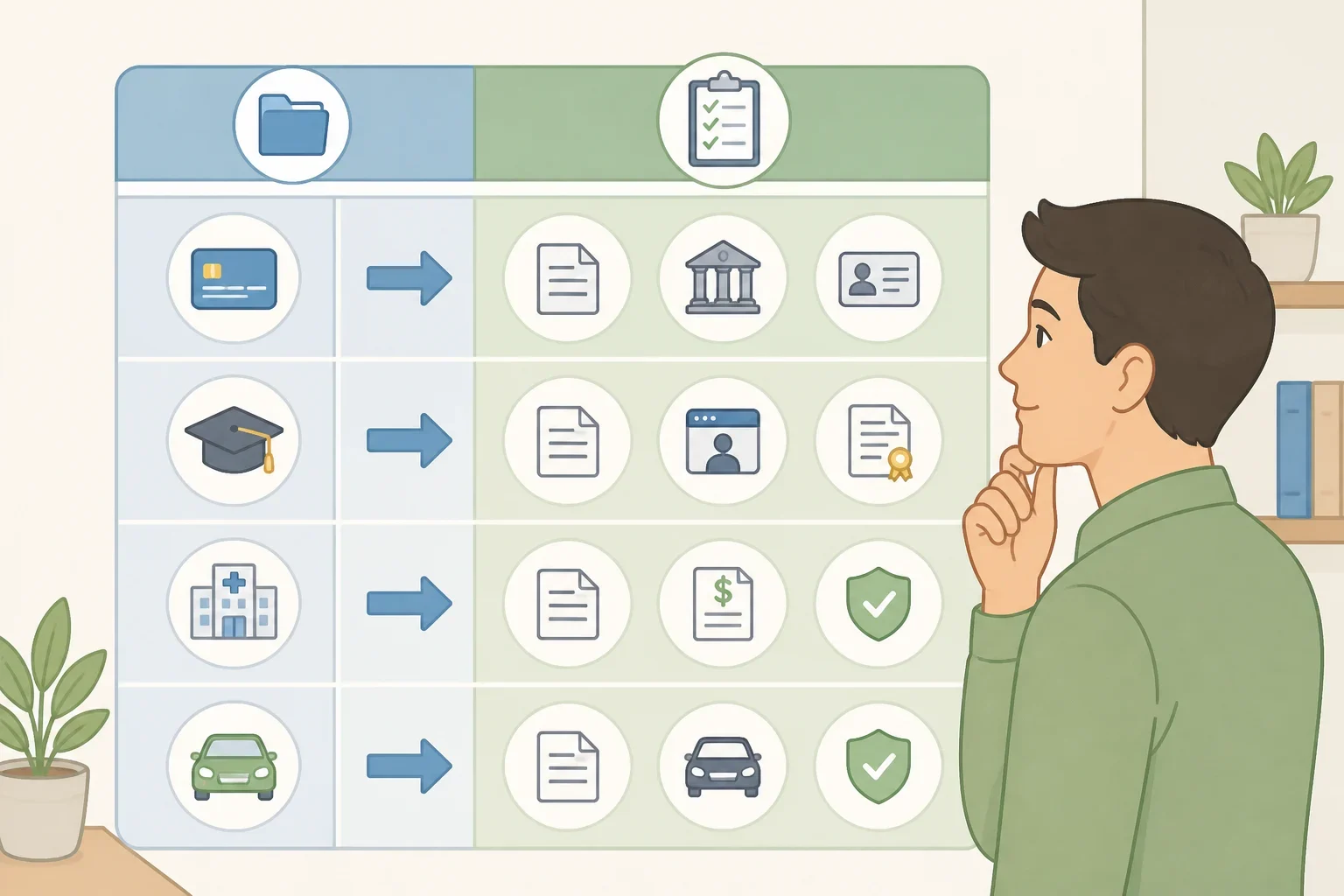
The safest first move depends on what the bill actually is. “Debt relief” is too broad to guide a decision by itself.
Debt type Start here What to verify Federal student loans Sign in to the official StudentAid.gov account if already enrolled in an IDR plan Loan type, IDR status, payment count, and any PSLF-related eligibility Mortgage debt Contact the lender or servicer directly Hardship options, payment-plan requirements, and the correct contact channel Credit card or medical debt Contact the creditor and consider a reputable credit counselor Whether counseling is free or paid, what the plan includes, and when fees apply Suspected scam Stop communicating about payment and save the records Names, phone numbers, emails, contracts, payment requests, and promises made
Borrowers already enrolled in an IDR plan can log in to StudentAid.gov to view payment counts, as MOHELA explains. That is a better starting point than paying a company to “check” an account the borrower can access directly.
Before making a call, gather the latest statement, the account number, and a simple description of the hardship. Keep notes about the person contacted and the next step. A written record makes it easier to compare what the creditor said with what a third party later promises.
How to avoid government debt relief scams
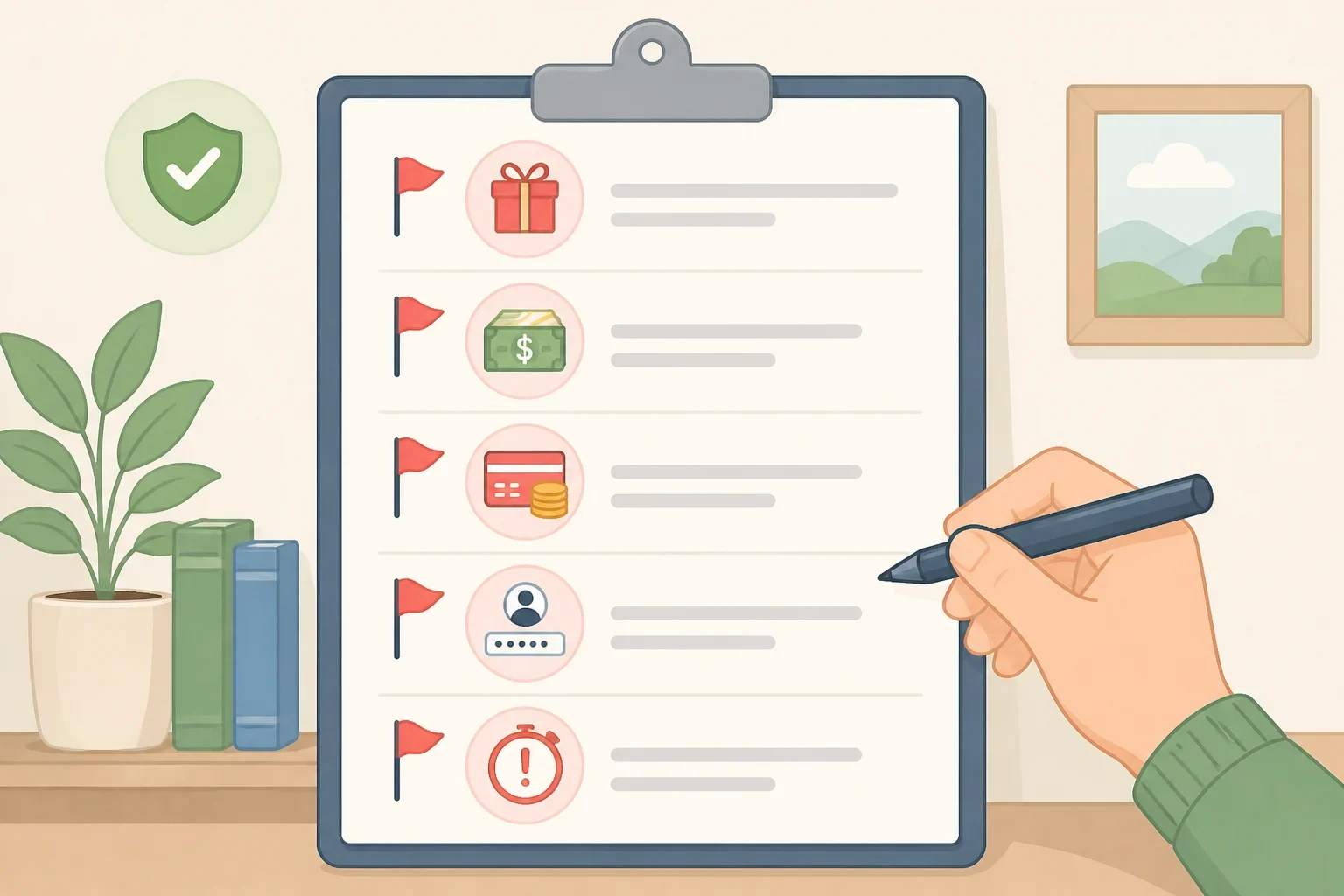
The most useful warning sign is not a dramatic promise by itself. It is the combination of a promise, pressure, and a request for money before meaningful service has been delivered.
Six months ago, the FTC announced a temporary restraining order in a case involving an alleged student loan debt-relief operation. The complaint alleges that the operators pretended to be affiliated with the federal government or loan servicers and falsely promised student loan forgiveness in exchange for illegal upfront fees. It also alleges that they charged or sought monthly fees as high as $1,400 and collected at least $8.8 million from consumers. Those are allegations in the complaint, not final findings. The FTC reported the case.
The FTC’s warning about debt-relief services is direct: scammers tell consumers to pay upfront before debts are settled or before they enter a debt-management plan. That warning concerns debt-relief services. It should not be stretched into a claim about every fee charged for every kind of financial service, but it is a strong reason to stop when a debt-relief company wants payment before doing what it promised.
A separate lawsuit brought by the CFPB and seven state attorneys general alleged that Strategic Financial Solutions and related shell companies operated an illegal debt-relief enterprise. The complaint said customers were required to make immediate payments into an escrow account, while fees were collected before debt payments reached creditors. It further alleged that the companies collected more than $100 million before making debt-relief payments to creditors. The case sought a court-ordered stop, consumer redress, and a civil money penalty, so these claims should be treated as allegations, not an established judgment. The CFPB reported the lawsuit nearly three years ago.
Watch for these specific problems:
- An unexpected call, text, or email promising forgiveness if payment is made immediately.
- A request for an upfront fee before a debt is settled or a management plan begins.
- A caller claiming to represent the Department of Education, a loan servicer, or another federal agency without independent verification.
- Pressure to stop communicating with the lender or creditor.
- A promise that every borrower qualifies, regardless of loan type, income, payment history, or employment.
- A demand for account credentials or a payment sent to an individual or unfamiliar company.
A government connection should be checked, not accepted because of a logo, caller ID, email address, or polished website. Compare the offer with information on the relevant .gov site, then contact the agency or lender through a phone number found independently.
How to find legitimate government debt relief programs
Begin with the debt itself. A federal student loan borrower should check the official account, review the IDR payment count, and confirm whether PSLF requirements may apply. If the account does not match what a company promised, pause before signing anything.
For mortgage trouble, call the actual lender or servicer first. Explain the hardship and ask about a payment plan. A housing counselor can be another starting point, especially when the household needs help understanding the options, but counseling does not become automatic mortgage forgiveness.
For credit card or medical debt, call the creditor and ask what arrangements are available. A credit counselor may help organize a repayment plan, and the FTC notes that some services are free while others are paid. Get the fee structure and service description in writing.
If an offer feels deceptive, do not delete the messages or throw away the paperwork. Save the company name, website, phone number, emails, contract, payment instructions, and a record of what the representative said. The FTC’s debt-relief guidance identifies upfront payment demands as a scam warning sign.
The practical bottom line
Free government debt relief programs are real in a limited, rule-based sense. For qualifying federal student loan borrowers, IDR forgiveness may follow 20 to 30 years of qualifying payments, and some IDR payments may also count toward PSLF. That is very different from immediate cancellation.
For a mortgage, contact the lender or servicer before paying a third party. For credit card or medical debt, contact the creditor and consider a reputable credit counselor, while keeping counseling separate from forgiveness.
Before paying anyone, verify the offer through the official account or agency, ask exactly what service is being provided, and treat an upfront-fee demand as a reason to stop. If the offer appears fraudulent, preserve the records and seek help through an independently verified government or nonprofit channel.
