

Side Hustle Taxes Guide: 1099 Forms and IRS Hobby Rules
A missing 1099 does not make side income disappear. For side hustle taxes, the practical starting point is straightforward: income from goods or services must be reported on a tax return, even when it comes from part-time work, cash, property, goods, virtual currency, or an app and no tax form arrives. IRS gig-economy guidance published earlier this year makes that rule clear.
The platform’s reporting threshold is a separate matter. It tells a payment service when it generally needs to send information to the IRS and the person who received the money. It does not create a tax-free allowance. Because the right forms, deductions, and calculations depend on individual circumstances, this overview focuses on how to report side hustle income on taxes and how the IRS approaches hobby-versus-business questions. It is not a substitute for review by a qualified tax preparer.
What the form does and does not tell you
The gig economy includes on-demand work, services, or goods arranged through a website or app. A rideshare driver, online seller, weekend baker, or occasional freelance service provider may all fall within that broad description.
The IRS says gig income must be reported even when it is:
- from part-time, temporary, or side work;
- not shown on Form 1099-K, Form 1099-NEC, Form 1099-MISC, Form W-2, or another income statement;
- paid in cash, property, goods, or virtual currency.
That means a tax form is documentation about a payment, not the deciding factor in whether the income needs attention. The IRS says taxpayers must report all gig income whether or not a Form 1099-K or another information return arrives. IRS guidance supports that distinction.
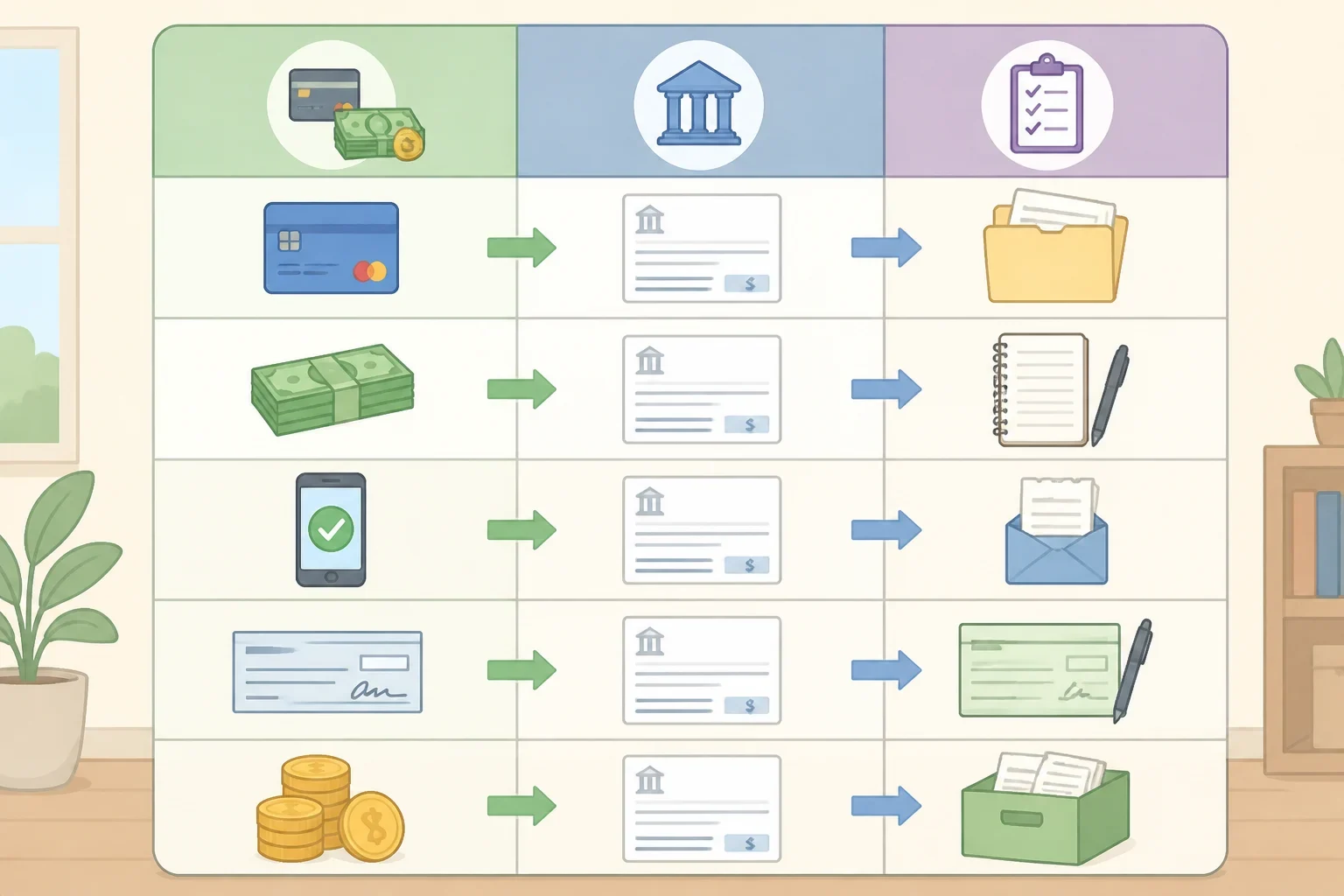
For household recordkeeping, it helps to separate the payment method from the tax question:
Payment situation What the form may show What to track App or online marketplace payment Form 1099-K may apply under the platform’s reporting rules Platform statements, payment dates, gross payments, and transaction details Debit or credit card payment Payment-card transactions are reported on Form 1099-K Card-processing records and sales or service records Payment for services from a business payer Form 1099-NEC may apply under its rules Invoices, payment dates, and payer information Certain other business payments Form 1099-MISC may apply to categories covered by that form The payer, date, amount, and reason for payment Cash, goods, property, or virtual currency A form may not arrive A dated payment log and a description of what was received
The last column is a suggested tracking habit, not a claim that the IRS requires every listed detail in every situation. The goal is simple: create a reliable record before tax time instead of trying to rebuild a year of payments from memory.
How 1099-K reporting differs from 1099-NEC and 1099-MISC
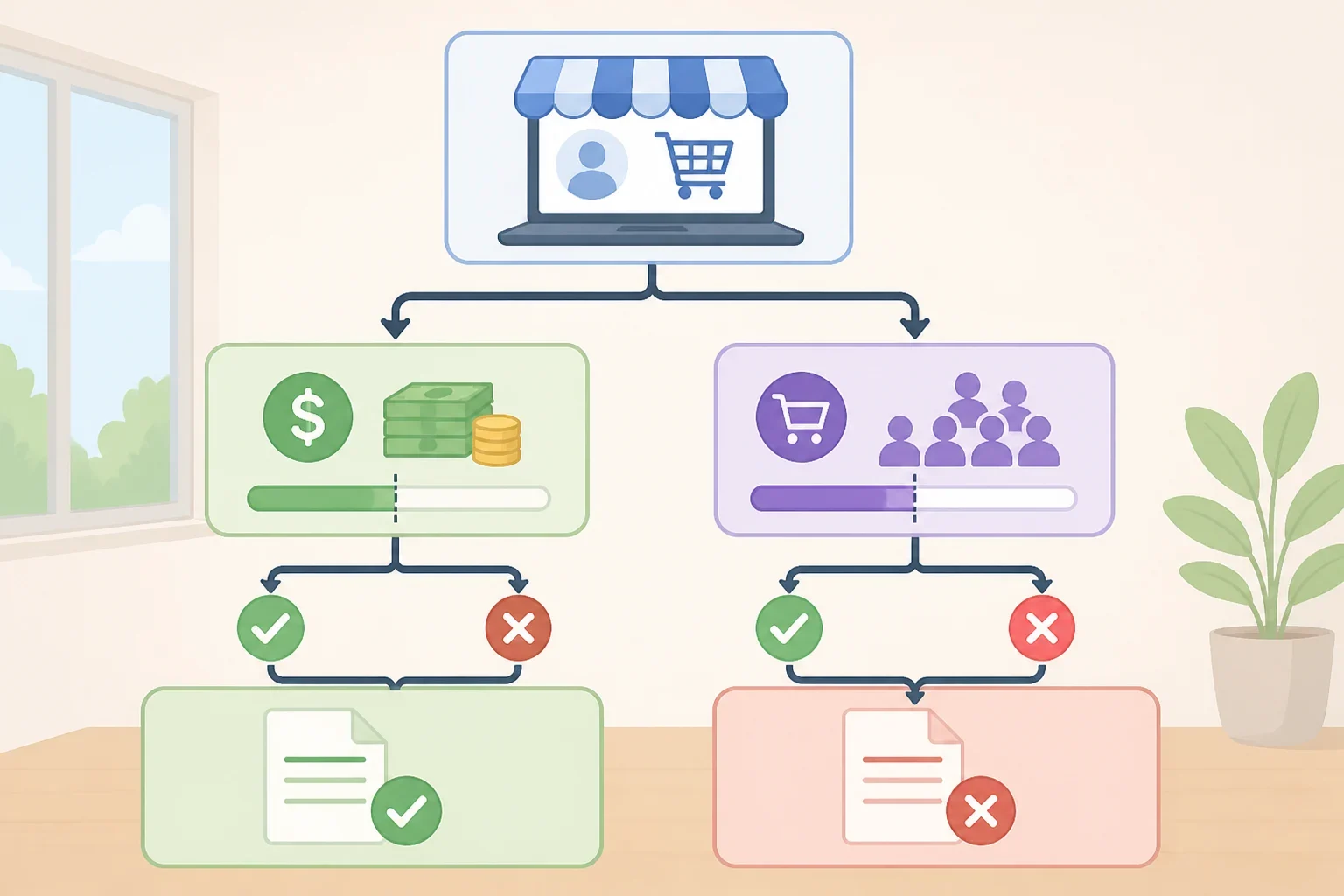
The Form 1099-K rule most relevant to app payments and online marketplaces changed last year. For third-party network transactions, the payment platform generally is not required to file a Form 1099-K unless the gross amount of reportable transactions exceeds $20,000 and the number of transactions exceeds 200. Both conditions apply. The IRS’s 1099-K FAQ explains the threshold.
That rule concerns the platform’s information-reporting obligation. It does not determine whether the person receiving the money has income to report. A seller can fall below the Form 1099-K threshold and still need to report payments received for goods or services.
Payment-card transactions follow a different rule in the cited IRS material. There is no de minimis exception for reporting those transactions, so payment-card transactions must be reported on Form 1099-K. The amount shown on a form still needs to be understood in context, including what was sold or what service was provided.
Forms 1099-NEC and 1099-MISC are not interchangeable labels for every side payment. Form 1099-NEC is associated with certain payments for services, while Form 1099-MISC covers other categories of business payments covered by that form. For payments made after December 31, 2025, the cited IRS FAQ says the reporting threshold for qualifying Form 1099-NEC or Form 1099-MISC payments is $2,000 or more. The IRS FAQ also says a payer may issue an information return even when the applicable threshold has not been met.
The cleanest way to think about 1099 income and side gig taxes is this: forms can help document income, but they do not define all income. Keep the records whether a form arrives, arrives late, or never arrives.
IRS hobby versus business rules

Once the income is identified, another question may matter: Is the activity a hobby, or is it a business?
The IRS describes the central difference in terms of intent. Businesses operate with an intention to make a profit, while hobbies are pursued for pleasure or recreation. IRS hobby guidance from last year also makes clear that no single fact decides the issue. The full pattern of facts and circumstances matters, and no one factor automatically outweighs the others.
Enjoying the work does not automatically make it a hobby. Having a side activity does not automatically make it a business, either. A home baker might genuinely enjoy baking while also running the activity with a serious plan to earn a profit.
Consider two versions of that baking activity. One person accepts occasional orders from friends, chooses projects mainly for enjoyment, and makes no consistent effort to price, promote, or improve the operation. Another person advertises a menu, tracks ingredient and packaging costs, seeks reliable suppliers, reviews pricing, and changes production methods after seeing what works. Those details do not decide the classification alone, but they create a clearer picture of the activity’s purpose and management.
The IRS factors include questions such as:
- Is the activity conducted in a businesslike manner, with complete and accurate books and records?
- Does the person advertise, promote the activity, or work to secure suppliers and products?
- Are methods changed to improve profitability?
- Is meaningful time and effort put into the activity?
- Does the person depend on the income for a livelihood, or have enough other income to fund the activity?
- Does the person have the knowledge, or access to advice, needed to operate successfully?
- Does the activity resemble similar profitable businesses?
- Have similar activities been profitable in the past?
- Are losses normal for a startup period or connected to circumstances beyond the person’s control?
- Does the activity produce profits in some years?
- Could assets used in the activity appreciate in value?
- Are there personal or recreational reasons for continuing the activity?
This list is illustrative, not a shortcut or a scorecard. Think of the decision like looking at a household budget over time rather than judging one receipt. A single profitable month, a single loss, or one social media listing does not explain the entire operation.
Why the classification affects the return
The hobby-versus-business distinction changes the reporting path and the way losses are treated.
When an activity is carried on without an intention to make a profit, the IRS says its income is reported as other income on Schedule 1 of Form 1040, line 8. The IRS’s explanation also says a loss from a not-for-profit activity cannot be used to offset other income, such as wages. That limitation applies to individuals, partnerships, estates, trusts, and S corporations, but not corporations other than S corporations.
Business treatment is not a label a taxpayer can simply select because it produces a more favorable result. It also does not mean every expense automatically qualifies as a deduction. The reporting path, self-employment tax, and any available side hustle tax deductions depend on the activity and the taxpayer’s facts.
Some provisions affecting gig workers are especially fact-specific. The IRS reported earlier this year that a new tip deduction applies for tax years 2025 through 2028, and that nearly 70 tipped occupations currently qualify. Gig workers may deduct up to $25,000 in tips per tax return under the cited rules, while qualified tips must be reported through specified forms or directly by the taxpayer. The IRS’s gig-worker update describes those requirements.
The same update discusses bonus depreciation for certain business equipment, including vehicles or computers acquired after Jan. 19, 2025. The equipment must be in its first year of use and used more than 50% for business. The IRS update presents this as a provision with specific eligibility rules, not a general deduction for anyone with a side gig.
Those provisions are questions for a qualified tax preparer. A general article cannot determine whether a particular worker, vehicle, computer, tip, or expense qualifies.
The records to keep before tax time
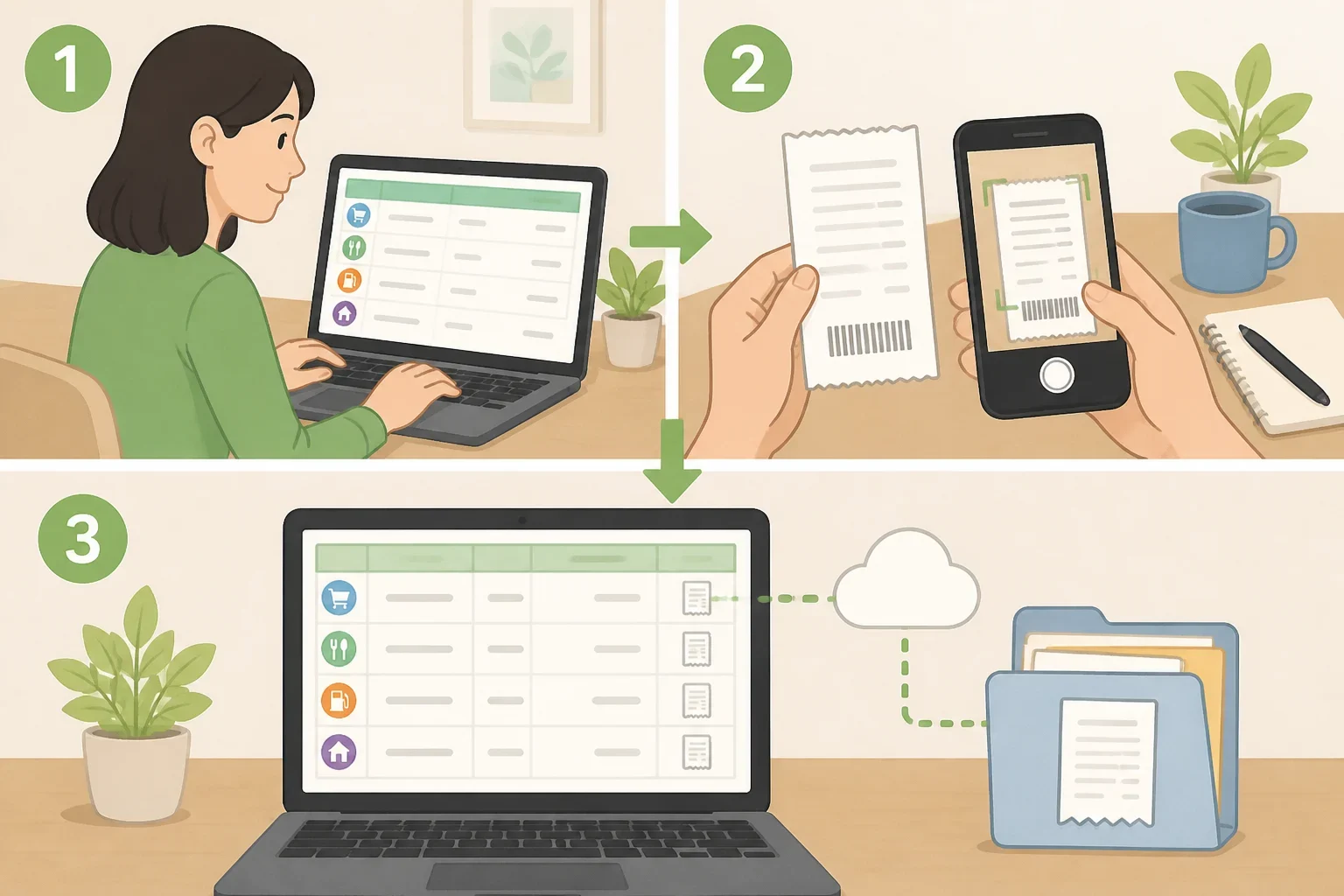
Recordkeeping helps with either classification. The IRS identifies complete and accurate books and records as one factor in evaluating whether an activity is operated like a business. The agency also says good records help taxpayers report hobby income correctly.
A simple spreadsheet, folder, or bookkeeping app can track:
- the date a payment was received;
- the amount and payment method;
- the platform or payer;
- what was sold or what service was provided;
- platform statements and year-end summaries;
- invoices and receipts;
- expenses connected with the activity, kept separate for later review.
These are practical tracking suggestions, not a universal IRS checklist. They make it easier to compare payment-app records with deposits, forms, invoices, and sales notes.
Include noncash exchanges in the log. “Goods received in trade” could mean swapping baked goods for photography or exchanging a handmade item for another product. Note what was exchanged and when, then ask a preparer how that transaction should be handled rather than assigning it a value by guesswork.
Records also preserve the story of the activity. Listings can show promotion. Supplier receipts can show purchasing patterns. Pricing notes can show changes made to improve profitability. A dated income-and-expense log turns the hobby-versus-business question from a vague conversation into something that can be reviewed.
One practical next step
Start a dated income-and-expense log now. Record every payment for goods or services, note whether it came through an app, card, cash, goods, property, or virtual currency, and save the related statement or receipt.
For anyone preparing the return for tax year 2026, bring that log to a qualified tax preparer along with questions about classification, forms, self-employment tax, and side hustle tax deductions. The missing 1099 is not the place to stop, and the presence of one is not the place to start guessing.
