
- Costco Shopping Tips: Make Bulk Purchases Pay Off
- Start with three checks before you leave home
- Verify Costco.com and the warehouse separately
- Use the five-question test at the shelf
- Portion food according to the way it will be used
- Finish the plan when you get home
- Apply the plan to one item on your next trip
Costco Shopping Tips: Make Bulk Purchases Pay Off
Buy in bulk only when you can name the use, storage location, and portioning plan before checkout. These Costco shopping tips focus on food and perishables, where a lower unit price can help a household save money, but only if the package fits the kitchen and gets used.
The decision starts at home. Check the refrigerator, freezer, and pantry; choose the meals or occasions the food is meant for; and decide how it will be divided after the trip. A Costco employee who has worked there since 2018 describes using the warehouse to make life more efficient and economical, including relying on a FoodSaver as a useful kitchen tool. That is one household’s method, not a requirement for every shopper. Business Insider interview
This guide stays with food and perishables. It does not cover membership tiers, nonfood bargains, or secret shopping times. The goal is straightforward: decide whether a bulk purchase belongs in the cart, then bring it home without letting the quantity become waste.
Start with three checks before you leave home
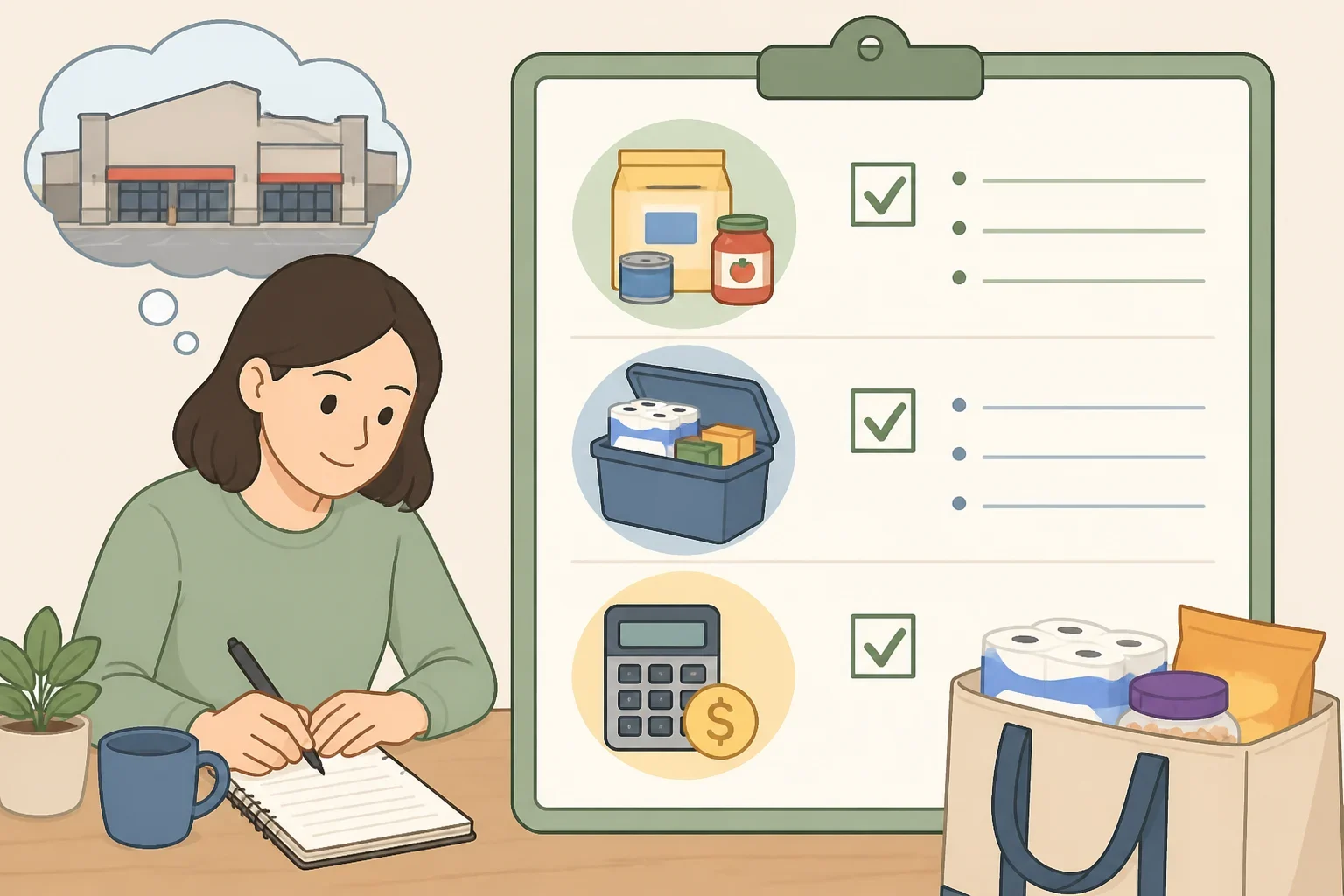
Before thinking about the warehouse, check three things: use, space, and total cost. If one of those is missing, the package may not be a bargain for the household.
Name the use. Look at the meals already planned and the food that needs to be eaten soon. “Chicken” is not much of a plan. “Two dinners this week, portions for the freezer, and a shared amount for a neighbor” gives the package a destination.
Routines matter as much as household size. A couple who cooks most nights may use a large package more easily than a larger household that eats out often. A family may move through bread or produce quickly, while a two-person household may need to divide the package immediately.
The Costco employee featured by Business Insider describes shopping for groceries and essentials after a shift, fitting the trip into an existing routine. That offers a useful model: connect the warehouse trip to a plan already in motion instead of buying food for a vague future.
Check the space. Open the refrigerator, freezer, and pantry before shopping. Look at the space that is truly available, not the space that would be available after moving everything around.
A package can fit technically and still make the freezer difficult to use. Leave room for food that needs to stay accessible, and consider whether the new item can be removed in practical portions. For pantry food, identify a clear, dry place where the package can be opened and closed without disappearing behind newer purchases.
If the food will need bags, containers, labels, or preparation, include that work in the decision. A package that requires extra effort is not automatically a poor choice, but the effort is part of the purchase.
Calculate the total cost. Unit price helps compare packages, but it does not tell the whole story. Write down the package total, then estimate how much will actually be used. If part of the food is discarded, shared without a firm arrangement, or left untouched, the household did not receive the full value shown by the unit price.
A simple hypothetical example makes the distinction clear. Suppose a large meat package has a lower cost per pound than a smaller grocery-store package. The large package looks cheaper until the household accounts for the portion that may go unused, the freezer bags needed to divide it, and the total amount charged at checkout. If the usable portions cost more in practice, the lower unit price did not create a saving.
That is the part of how to save money at Costco that shelf labels cannot answer. Compare the amount paid with the amount the household can realistically use.
Verify Costco.com and the warehouse separately
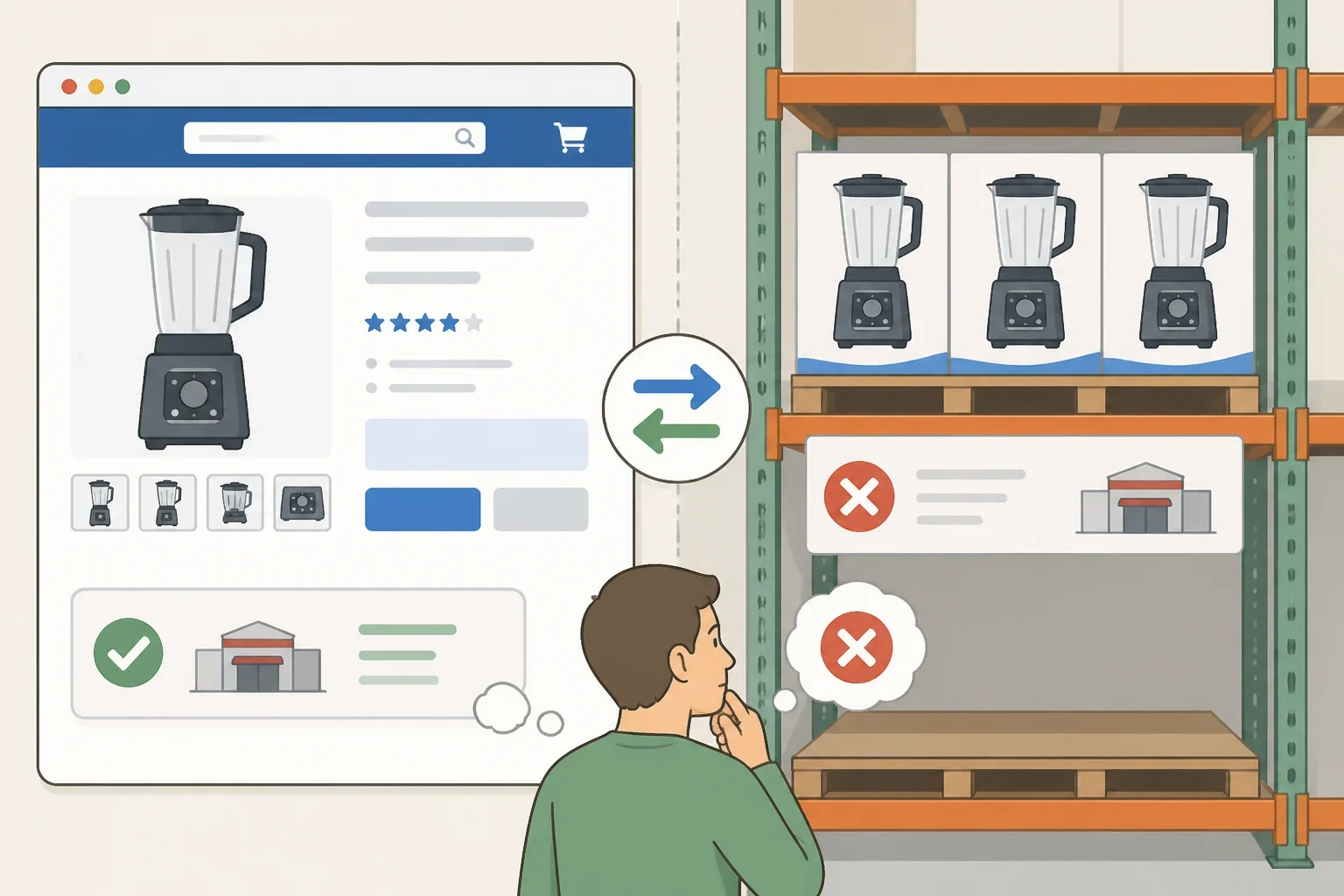
Costco.com is not a guarantee of what will be waiting at a local warehouse. Costco’s customer service guidance, updated five months ago, says products sold online may not be available in a local warehouse. It also explains that warehouse-only promotions and shipping costs can make online and warehouse prices different. Costco customer service
Treat an online listing as a separate shopping option, not a preview of local inventory. If a special trip depends on one item, contact the warehouse before leaving or prepare a replacement that fits the same storage plan. Online information may not settle what is on the shelf at a particular location.
Check the channel, quantity, and complete cost before building a meal around the purchase. An online order may include shipping-related costs, while a warehouse trip may end with a different size or substitute item if the planned product is unavailable.
That matters more with perishables. A substitute may need more freezer space, a different portioning method, or a faster use plan. Decide in advance what still works in the kitchen, rather than choosing a larger package simply because the first option was missing.
Use the five-question test at the shelf
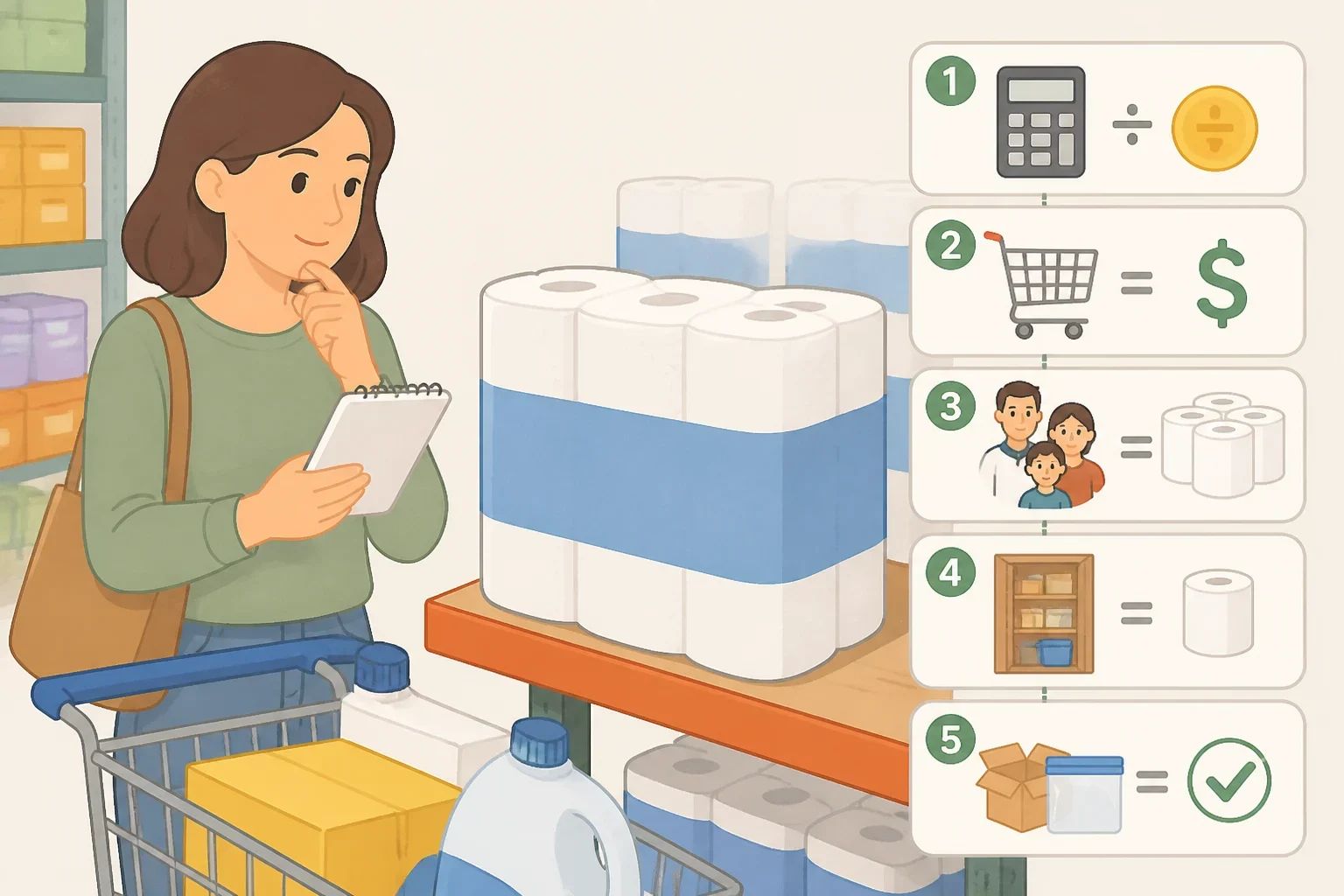
Once the item is in front of you, run it through the same five questions:
- What is the unit cost?
- What is the total amount charged today?
- How much will the household use while the food is still wanted?
- Where will the package go at home?
- What bags, containers, preparation, or freezer space will it require?
The first two questions should remain separate. A lower unit price can still mean a larger bill at checkout. The third question protects against a different kind of false saving: buying more than the household wants to eat.
Sharing is useful only as a separate condition. Confirm who is taking a portion, how much, and when it will be collected before counting that food as spoken for. “Someone might want some” is not a storage plan.
The same test works for fresh, frozen, and shelf-stable food, but the answer may change by form. Fresh food needs a specific near-term use. Frozen food needs portions that can be removed conveniently. Shelf-stable food still needs a visible pantry location and a place in the household’s rotation.
Produce deserves a little more caution. Decide whether the quantity is meant for meals already scheduled, fresh snacks, or cooking. Do not assume that a preservation method will make every fruit or vegetable work for every future use. Choose the amount that matches the intended meals and the storage space available.
Portion food according to the way it will be used
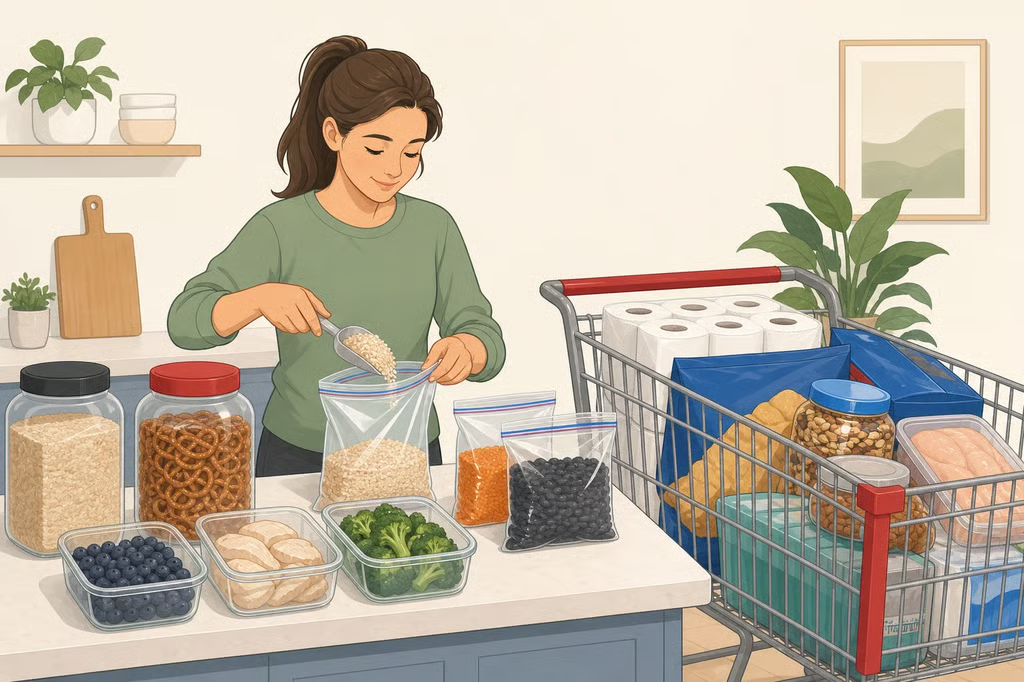
The most useful storage method is the one that makes the next meal easier. Prepare the bags or containers before opening a large package, then divide the food according to likely uses.
For meat, that might mean one dinner’s portion, an amount for a planned recipe, or a smaller package for a household that does not want to thaw everything at once. Use packaging intended for freezer storage, or use a vacuum sealer if it already fits the kitchen routine.
The Business Insider interview notes that FoodSaver starter kits have been available at Costco, and the employee describes her own FoodSaver as “an incredible kitchen tool.” That makes the device worth considering for some shoppers, but it is not necessary for the plan to work. Freezer-safe bags or containers can also divide food into useful amounts.
Bread should be separated according to how the household eats it. If the full package will not be used soon, divide it before storage so the next meal does not require opening and managing the entire quantity. Store smaller portions where they can be reached without crushing them under heavier items.
For produce, separate what is intended for fresh meals from what is meant for cooking. Wash, cut, or transfer it only when that preparation fits the food, the household’s routine, and the package instructions. If the method or storage period is uncertain, follow current USDA storage guidance and the package instructions rather than relying on a general rule.
The same caution applies to meat and other perishables. Keep the work organized, avoid leaving food out while the kitchen is being rearranged, and return portions to appropriate cold storage promptly. For exact handling and storage windows, use current USDA guidance and the instructions that come with the food. This article’s planning test can help decide what to buy, but it does not replace food-safety directions.
Finish the plan when you get home
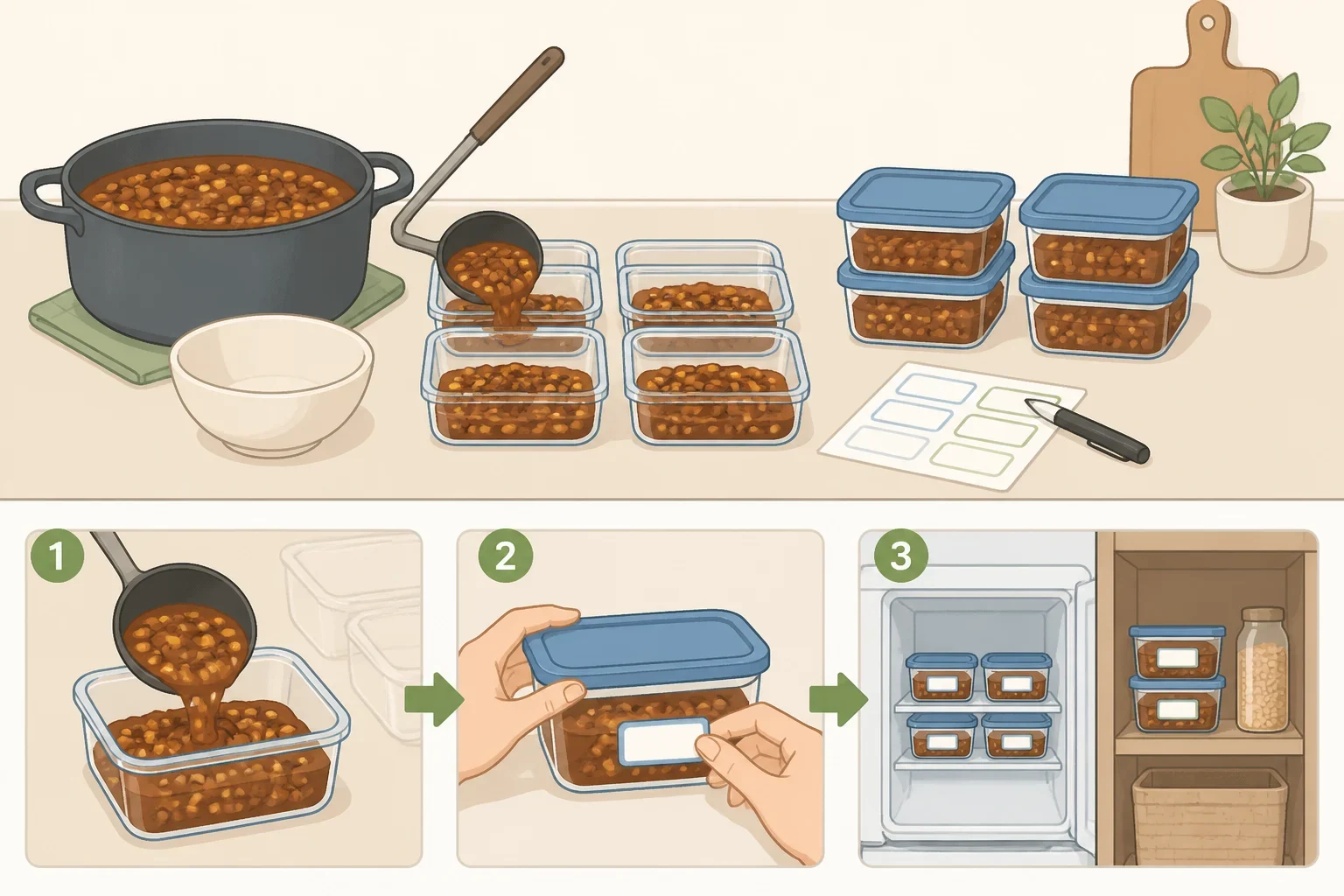
The warehouse trip is only half the task. When the food comes home, clear a work area and complete the storage plan before the package becomes another item competing for attention.
Use this sequence:
- Gather freezer-safe bags or containers, labels, and a marker.
- Divide food into portions that match planned meals or household use.
- Label each portion with the food name and storage date.
- Store food where it can be found without moving everything else.
- Add intended uses to the meal plan.
- Set aside any portion that has already been promised to another household.
Keep the storage method matched to the food and the manufacturer’s instructions. A FoodSaver can help a shopper who owns one or decides it fits the routine. It does not create more freezer space or make an unwanted food more appealing.
Do not fill every open shelf simply because space is available. A crowded freezer or pantry can hide food and make the next shopping trip harder to manage. Leave enough room to see what is there and to reach the portions that should be used first.
Apply the plan to one item on your next trip
Choose one category, such as meat, bread, or produce. Before it goes into the cart, write down the intended meals, the storage location, and the portioning method. Run the item through the five questions, then buy it only if the answers fit the household.
If any answer is missing, leave the package at the warehouse. A large quantity is not the saving. The saving comes from matching the amount purchased with the food the household will use, the space it can spare, and the work it can finish that day.
