
How to Get Blood Stains Out of Clothes: Step by Step
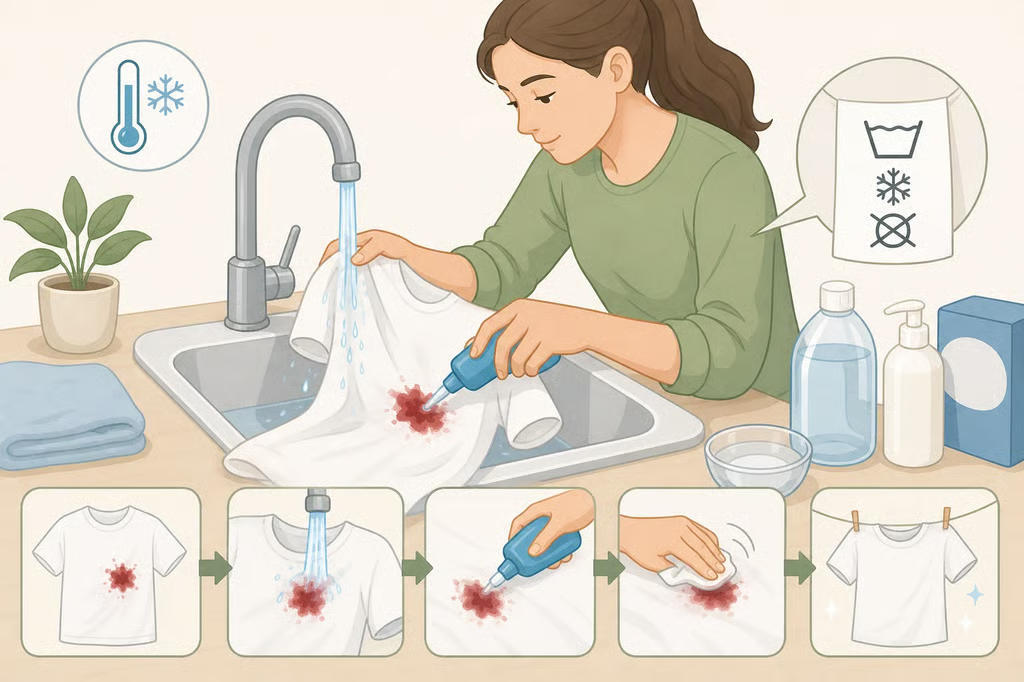
Knowing how to get blood stains out of clothes starts with one simple choice: use cold water before anything else. This guide covers how to remove fresh blood stains from fabric, what to do when the mark has dried, and how to use detergent, enzyme products, or hydrogen peroxide without damaging the garment.
Before treating the spot, check the care label. The label and fabric content determine which methods are safe. Dry-clean-only clothing, silk, wool, garments with flame-retardant finishes, and visibly damaged fabric need more caution than a washable cotton T-shirt. Wear rubber gloves while handling blood and wash your hands after finishing, as advised by UGA’s blood-stain guidance.
Check the care label and prepare the garment
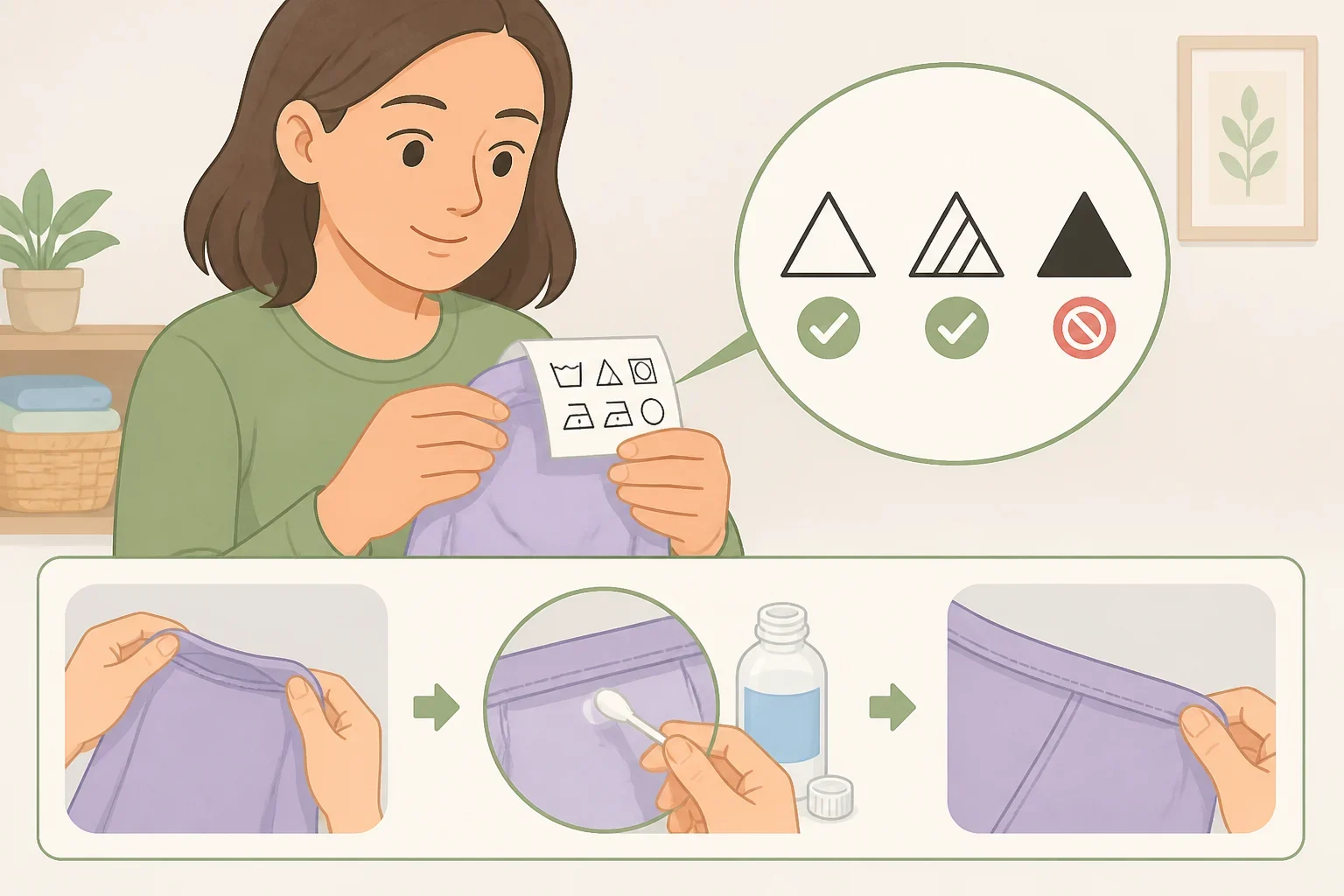
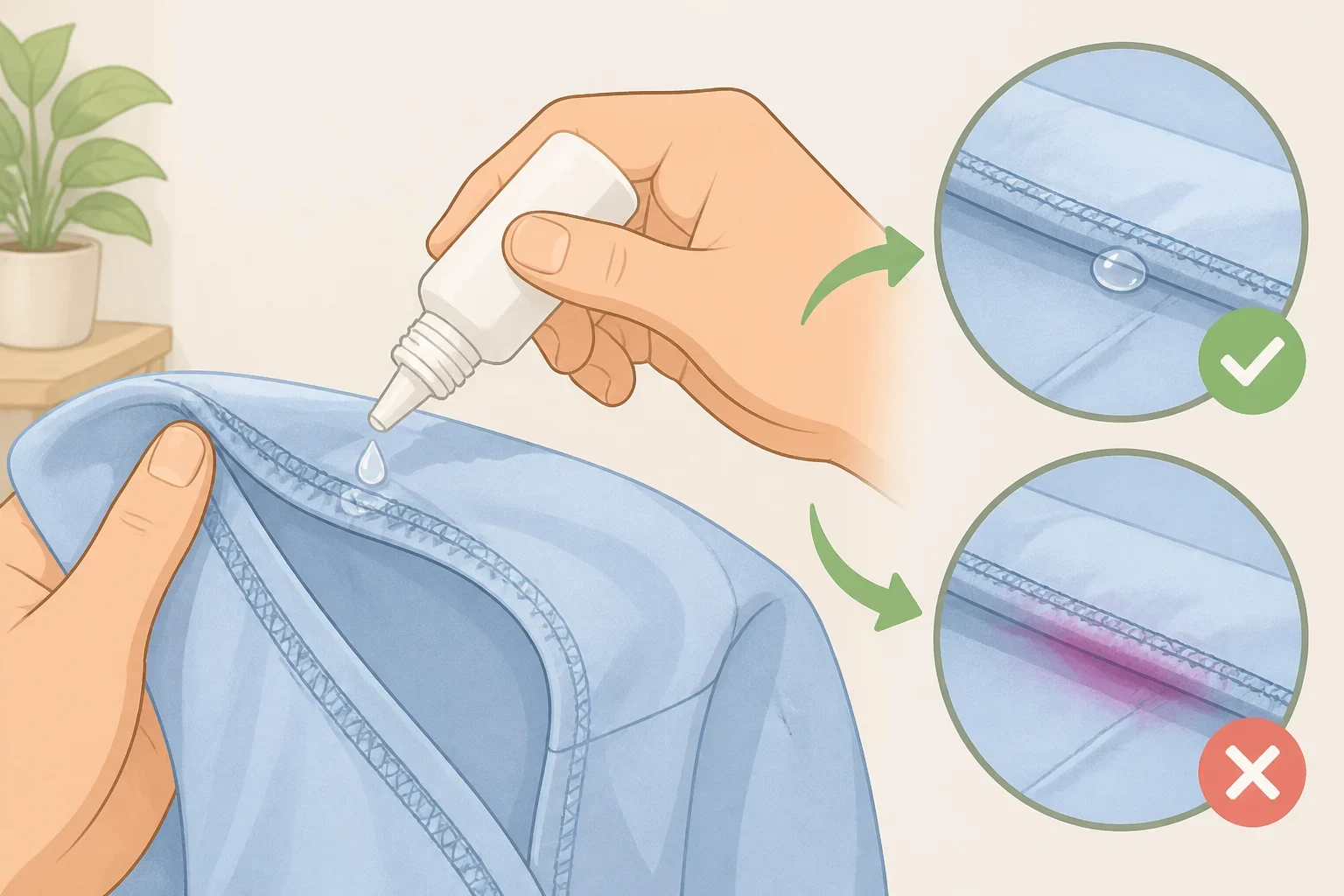
Start by reading the garment’s care label, including its bleach symbol. Do not use a product or method the label prohibits. UGA also recommends testing each cleaning agent on an inconspicuous area first to check colorfastness, so use an inside seam or hem before applying anything to the visible stain.
Set the garment on a clean towel or over a basin. That gives the water somewhere to go and helps keep the stain from transferring to another surface. If the blood is still wet, avoid wiping it around. Flush away what you can first, then gently work on what remains.
Keep the basic supplies nearby:
- Cold running water
- Bar soap or liquid laundry detergent
- A clean towel or basin
- A soft brush, if the care label permits one
- An enzyme presoak for a lingering stain
- 3% hydrogen peroxide, only if the fabric passes a hidden-area test
Do not begin with hot water. Heat can set blood stains and make them harder to remove. The American Cleaning Institute’s stain-removal guide recommends cold water for blood, with a warmer soak reserved for a compatible enzyme product.
How to get fresh blood stains out of clothes
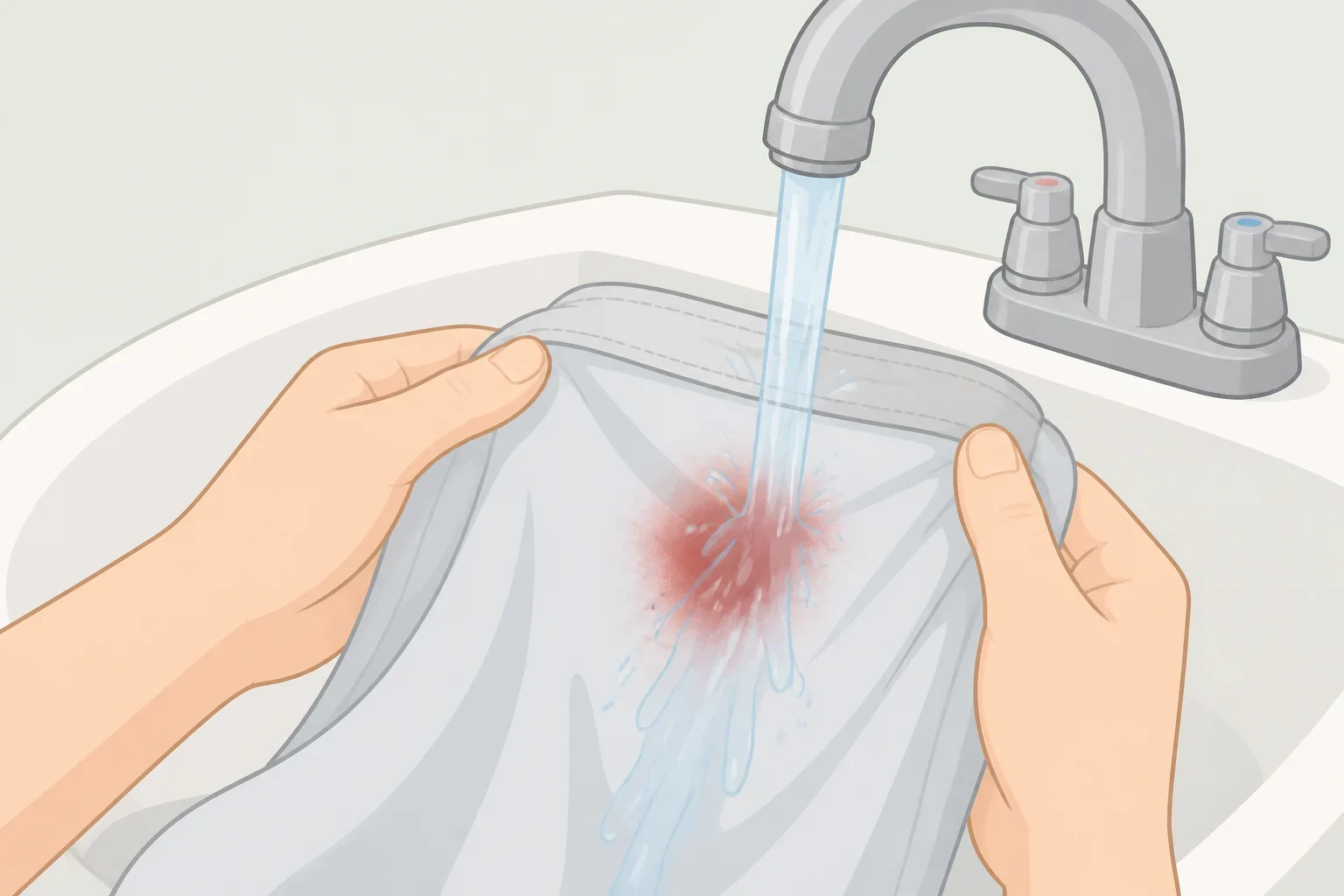
For a fresh spot on a washable garment, use this sequence. The goal is to move the blood out of the fabric before laundering, not to scrub it deeper into the fibers.
- Rinse from the back of the fabric. Hold the stained area under cold running water, working from the wrong side whenever possible. Texas A&M’s guidance, summarized by Launderwise, recommends this direction because the water pushes the stain away from the fabric’s surface rather than through it.
- Apply soap or detergent. Rub bar soap or liquid laundry detergent directly into the remaining mark. Use your fingers or a soft brush, and work gently. Rubbing detergent into a washable fabric is different from aggressively scrubbing a wet stain, which can spread it or damage the fibers.
- Rinse and repeat. Flush the treated area with cold water. If you still see color, apply detergent again and rinse again. Fresh blood may lift in stages, so do not move to stronger chemicals simply because the first rinse did not leave the fabric perfect.
- Let the detergent sit briefly when needed. Consumer Reports recommends working detergent into the stain with fingers or a soft toothbrush, letting it sit for about 10 minutes, and then washing on a cold cycle, according to the Launderwise summary.
- Wash the entire garment cold. Once the spot has been pretreated, launder the garment according to its care label, using a cold cycle. Washing the whole garment removes loosened blood and detergent residue rather than leaving a treated patch behind.
- Inspect before drying. Check the garment while it is still wet and under good light. If any pink, brown, or red trace remains, repeat the treatment. Do not use the dryer or an iron yet. Heat can set whatever is left, and ACI’s laundry guidance recommends treating and rewashing a stain instead of drying it.
The safest answer to how to wash blood out of clothes is therefore straightforward: cold rinse, gentle detergent treatment, cold wash, and a careful inspection before heat.
How to get dried blood stains out of clothes
A dried or partly set stain may need more time. That does not mean every older mark will come out completely, so keep expectations realistic and avoid escalating too quickly.
- Soak the garment in cool water. Submerge the stained portion in cool water for 30 minutes or longer. This gives the dried material time to soften before detergent or another treatment is applied, following UGA’s longer route for blood stains.
- Use a lukewarm enzyme presoak if the fabric allows it. If the mark remains, soak it for another 30 minutes or longer in lukewarm water with an enzyme presoak. Protease enzymes are used for protein-based stains such as blood, and ACI identifies enzyme products as a useful option for older stains. This step is not for every garment. Skip protein enzyme products on silk and wool because the Smithsonian Museum Conservation Institute guidance says they can damage those fibers. Follow the product label for the presoak rather than making the water hot. The cited guidance keeps this warmer step lukewarm, not hot.
- Rinse and treat the remaining mark. Rinse the garment thoroughly. Apply detergent to any visible stain, gently work it into the fabric, and rinse again. At this point, the stain may look lighter without being gone, so check the full area rather than only the center.
- Test hydrogen peroxide before using it. If the garment is compatible and the stain remains, test a few drops of 3% hydrogen peroxide on a hidden seam. Wait long enough to check whether the dye changes. Hydrogen peroxide is a bleach and may decolorize some dyes, so the hidden-area test is not optional.
- Apply peroxide briefly. If the test area is unchanged, apply a few drops of 3% hydrogen peroxide to the remaining stain for one to three minutes. Rinse thoroughly, then launder according to the care label. This is a late-stage treatment, not a first step or a long soak, as UGA’s stain-removal instructions specify.
- Inspect and air-dry. Check the garment while it is wet. If the stain is still visible, repeat only a compatible step, such as another cool soak or detergent treatment. Air-dry the garment away from heat until you are sure the mark is gone.
Hydrogen peroxide may help answer how to remove blood stains with hydrogen peroxide, but it is not universally safe or universally effective. A pale mark may still remain after treatment, especially if heat has already set it.
Know which products to skip
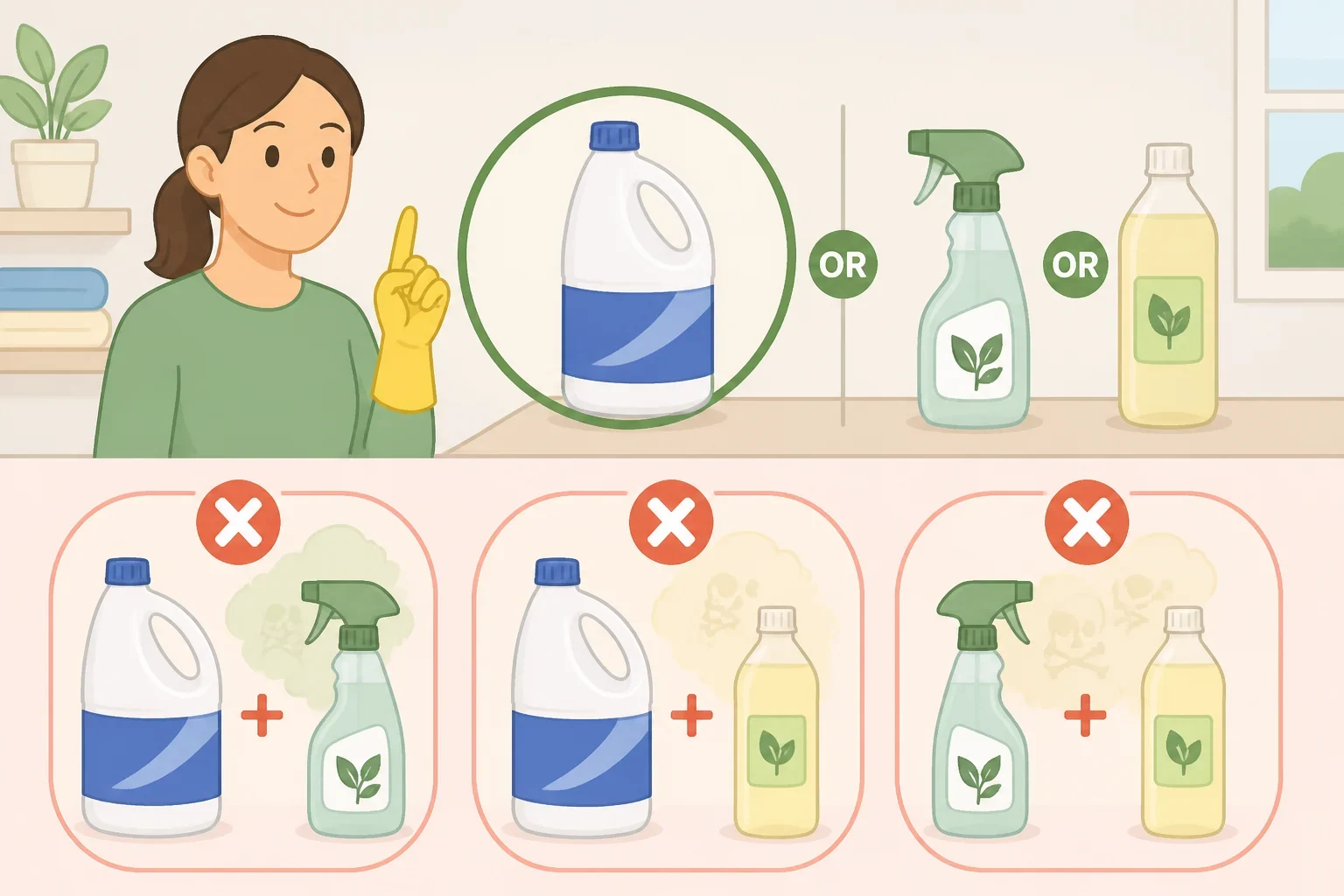
Bleach can be useful only when the fabric and care label allow it. The ACI guide permits laundering with sodium hypochlorite bleach when it is safe for the fabric, or with oxygen bleach. That does not make either product a default choice for every shirt.
Oxygen bleach is generally described as suitable for many fabrics and colors, but it should not be used on fabric with a flame-retardant finish. Check the garment’s bleach symbol and test an inconspicuous area first. If the label shows a crossed-out triangle, skip bleach, including oxygen bleach, according to the cited Launderwise fabric guidance.
Chlorine bleach should not be used casually on wool, silk, spandex, or flame-retardant finishes. It can also create a more noticeable color change than the original stain. If bleach is allowed and the entire garment needs treatment, follow the product and care-label directions rather than applying it just to one small area.
Ammonia is best left out of an ordinary home stain routine. UGA includes ammonia among options for old, stubborn stains, but it can damage silk and wool and requires dilution, ventilation, gloves, and thorough rinsing. That combination makes it a poor choice for improvising over a favorite garment.
Never mix bleach with vinegar or ammonia. Those combinations can release chlorine or chloramine gases. Use one product at a time, rinse thoroughly before changing methods, and keep the room ventilated. Do not combine cleaners simply because the first treatment did not work.
When to stop treating the garment at home
Some pieces are not good candidates for trial and error. Stop before applying detergent, peroxide, enzyme products, or bleach if the care label says dry-clean only. Take the garment to a professional cleaner and explain that the stain is blood, whether it is fresh or dried, and whether the item has already been washed or exposed to heat.
Use the same caution with silk and wool. These fibers can be damaged by protein enzymes, ammonia, or an unsuitable bleach. A delicate garment that has already lost color, developed a rough patch, or weakened around the stain should not be repeatedly scrubbed.
For washable clothing, stop escalating when a treatment begins to change the garment’s color or texture. Rinse the product out, air-dry the item away from heat, and decide whether the remaining mark is preferable to further damage. A stain that does not come out after careful, label-safe treatment may not be removable at home.
The same cold-water principle applies to fabric items that cannot go in the washer, but they require a separate approach. UGA advises sponging or blotting wet blood from upholstery with cold water and warns that overwetting can cause the finish to migrate and leave a ring. Do not treat upholstery, mattresses, or other fixed materials as if they were a cotton shirt.
The safest order for treating blood stains
For a washable garment, remember the sequence:
- Check the care label and fabric.
- Put on gloves and test any product on a hidden area.
- Rinse fresh blood with cold water from the back of the fabric.
- Work in bar soap or liquid detergent gently.
- Wash on a cold cycle.
- Inspect while wet and repeat a safe treatment if needed.
- Use a cool soak, compatible enzyme presoak, or briefly tested 3% hydrogen peroxide only for a stain that remains.
- Air-dry only after the stain is gone, and use a professional cleaner for dry-clean-only, silk, wool, or damaged garments.
Treat the spot before it reaches the dryer, keep heat out of the process, and let the garment’s care label decide how far to go.
