
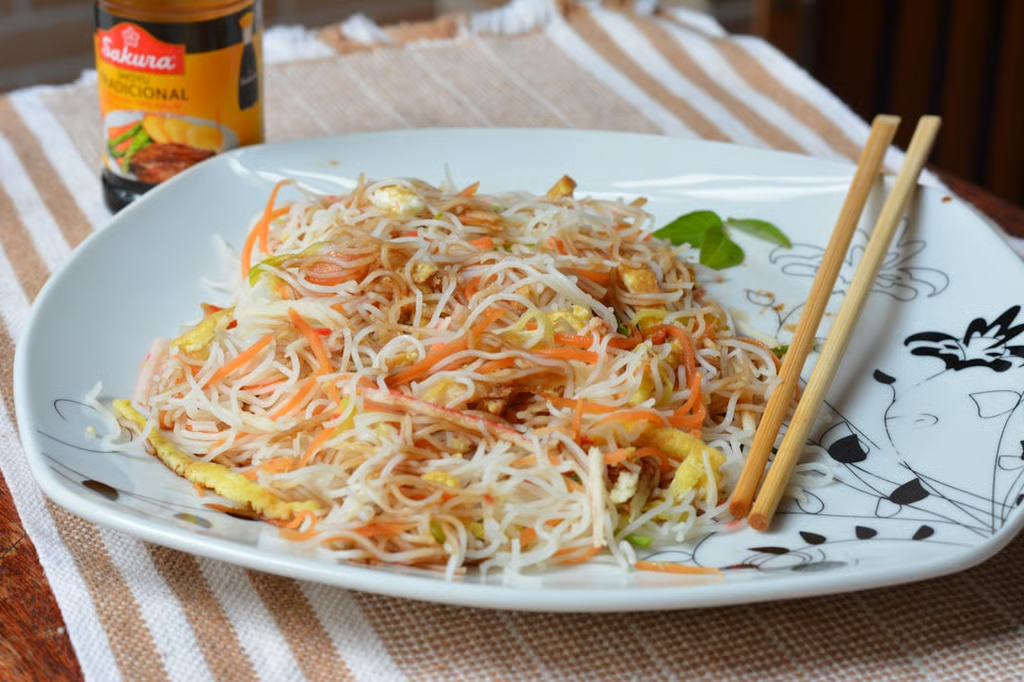
Pad Woon Sen Recipe: Thai Glass Noodle Stir-Fry Guide
When dinner needs to happen fast but you still want something that tastes like it took effort, this pad woon sen recipe earns its spot in the weekly rotation. It's a Thai glass noodle stir-fry built around chicken, egg, and whatever vegetables are sitting in the crisper drawer, and it comes together in about 20 minutes total. This guide also includes a slower, more involved Hainanese pork version for a weekend when there's time to let dried mushrooms and shrimp soak.
"Pad" means stir-fry and "woon sen" means glass noodles, so the name translates literally to stir-fried glass noodles. These noodles are made from mung bean starch rather than rice flour, which matters more than it sounds like it should: one recipe developer who regularly makes this dish for potlucks says it keeps its chewy texture even after sitting out, unlike rice-noodle dishes such as pad Thai that tend to clump as they cool (Thai-Foodie). That's cooking experience rather than a lab test, but it's still a reasonable factor to weigh if you're deciding what to bring to a shared table.
Shopping for this Thai glass noodle stir-fry
The chicken version uses ingredients most grocery stores carry, split across a quick marinade, a stir-fry sauce, and the vegetables themselves. This list serves about four (Thai-Foodie):
For the marinade
- 2 chicken breasts, thinly sliced (or another protein)
- 2 tablespoons Thai oyster sauce
For the sauce
- 2 to 3 tablespoons Thai oyster sauce
- 2 to 3 tablespoons Thai thin (mushroom) soy sauce
- 2 to 3 tablespoons dark Thai soy sauce
- 1 to 2 tablespoons sugar
For the noodles
- 4 servings of dried glass noodles
- Water for soaking
For the stir-fry
- 2 to 3 tablespoons minced garlic
- 1 small onion, sliced into strips
- 2 green onion stalks, cut into half-inch pieces
- 2 to 3 cups sliced vegetables, such as Chinese broccoli, cabbage, red pepper, and carrots
- 2 eggs
- 2 teaspoons white pepper powder, or to taste
- Thai sriracha, optional
When buying the noodles, look for glass noodles labeled as mung bean or bean vermicelli, sometimes sold as cellophane noodles. They're made by mixing mung bean flour with water, then pulling, washing, and drying the strands, which is what gives the finished dish its springy, translucent bite rather than a mushy one (Thai-Foodie).
One note on dietary needs: mung bean glass noodles are naturally gluten-free, since they're made from water and mung bean starch rather than wheat (Thai-Foodie). Oyster sauce, soy sauce, and eggs aren't automatically gluten-free or allergen-free, though, so check labels or swap ingredients before serving this to a guest with a restriction rather than assuming the noodles alone make the plate safe.
How to make this pad woon sen recipe
- Soak the noodles. Cover the dried glass noodles in room-temperature water for about 10 minutes, until they turn soft and pliable, then drain them well (Thai-Foodie).
- Cut the noodles down. Pick up the drained clumps and cut them into roughly 6-inch lengths. Left long, they're awkward to serve and even harder to eat (Thai-Foodie).
- Marinate the chicken. While the noodles soak, toss the sliced chicken with the 2 tablespoons of oyster sauce and let it sit so the meat picks up flavor before it hits the pan (Thai-Foodie).
- Cook the aromatics and chicken. In a wok or large skillet over high heat, stir-fry the garlic and onion for about 30 seconds until fragrant. Add the marinated chicken and cook for 1 to 2 minutes, until it's about half cooked through (Thai-Foodie).
- Add vegetables, noodles, and sauce together. Stir in the sliced vegetables, then add the drained noodles along with the combined sauce (the oyster sauce, thin soy sauce, dark soy sauce, and sugar). Toss everything until the noodles have soaked up the liquid and turned glossy rather than sitting dry or clumped. This staged addition of liquid is the step that finishes cooking the noodles, so don't rush it or pull the pan off the heat too soon (Thai-Foodie).
- Scramble the eggs in, then finish. Push the noodles to one side, crack the eggs into the open space, and scramble them before folding everything together. Finish with the green onion, white pepper, and sriracha if you're using it (Thai-Foodie).
Prep and cook time each run about 10 minutes, so this version is on the table in roughly 20 minutes start to finish, making it the faster of the two recipes here (Thai-Foodie). If the noodles taste bland or look dry once plated, they likely needed more time absorbing the sauce in step five. Give them another minute or two of tossing before deciding they're done.
Hainanese Pad Woon Sen: a weekend pork glass noodle stir-fry
This version takes longer and uses a different set of ingredients, so treat it as its own recipe rather than a swap-in for the chicken one above. Some cooks trace pad woon sen back to Chinese Hainanese roots, and Thai-Foodie cites the Bangkok Post in describing the dish as originally an ethnic Hainanese one, sometimes called "pad Hainan" (Thai-Foodie). For at least one home cook, this pork-and-dried-mushroom variation is a standing family recipe, made every time her daughter comes home to visit (Hot Thai Kitchen).
Ingredients (Hot Thai Kitchen):
- 80g dry glass noodles
- 125g pork leg, loin, or tenderloin, sliced thin (or another protein)
- 1 teaspoon soy sauce and 1 tablespoon water, for the pork marinade
- 2 tablespoons dried shrimp, medium or large
- 3 to 4 dried shiitake mushrooms
- 15g dried black fungus mushroom
- A 2-inch section of daikon, peeled and cut into batons (about 1.5 cups)
- 4 cloves garlic, chopped
- 2 green onions or 2 stalks Chinese celery
Sauce:
- 1 1/2 tablespoons oyster sauce
- 1 tablespoon soy sauce
- 2 teaspoons sugar
- 1/2 teaspoon white pepper
- About 1/2 cup water or unsalted chicken stock
Plan ahead here. The shiitake mushrooms need about 30 minutes to rehydrate in hot water, longer if they're large, up to 45 minutes depending on size. The black fungus needs about 15 minutes and the dried shrimp about 10 minutes, and both can soak at the same time as the shiitake (Hot Thai Kitchen). Soak the glass noodles separately in room-temperature water for 10 minutes and drain them right away.
While everything soaks, combine the pork with the soy sauce and water and let it marinate for at least 15 minutes. Peel the daikon until its color shifts from bright to translucent white, since the outer layer is the bitter part, then cut it into batons and blanch it in salted boiling water for 3 minutes before draining (Hot Thai Kitchen). Stir together the sauce ingredients in a separate bowl so it's ready to go once the pan is hot.
To cook: let the pork brown undisturbed in the pan for about a minute, then add the garlic. Add the rehydrated mushrooms, daikon, and dried shrimp and toss for about 30 seconds to heat through. Add the noodles along with the sauce and roughly 1/4 cup of water, tossing until the liquid is fully absorbed. Turn the heat back up to high and fold the pork back in along with any juices left in its bowl. The amount of liquid looks like too much at this point, but the noodles take it on without turning the dish soupy (Hot Thai Kitchen). Finish with the green onion or Chinese celery.
Build in at least 30 to 45 minutes for soaking before you start cooking, plus the 15-minute pork marinade. This is a weekend project, not a rushed weeknight one.
Choosing, serving, and storing your pad woon sen
The chicken version needs about 10 minutes of active prep and 10 minutes of cook time, with no specialty soaking beyond the quick noodle soak. The Hainanese pork version needs a 15-minute marinade plus up to 45 minutes of soaking dried ingredients before the stir-frying even starts (Thai-Foodie; Hot Thai Kitchen). If you're deciding which to make on a Tuesday, that gap in advance prep should settle it.
If you're hosting, plan portions with the rest of the table in mind. Unlike pad Thai or pad see ew, which are usually eaten as single-serving meals, pad woon sen is typically served family-style alongside rice and other Thai dishes rather than as a stand-alone plate (Thai-Foodie). That also makes it a practical choice for a potluck table or a spread that sits out for a bit before guests serve themselves, based on the texture claim noted earlier. Treat that as a useful clue for planning, not a guarantee the dish has been tested for extended storage or multiple days of reheating.
For leftovers, stick to standard kitchen practice for any cooked dish containing meat and eggs: refrigerate promptly, store in an airtight container, and reheat until it's hot all the way through before serving again.
First-time cooks should start with the chicken version. It teaches the core technique, soaking the noodles briefly, cooking the protein and aromatics first, then letting the noodles finish cooking by absorbing seasoned liquid in stages, without the added complexity of timing three different dried ingredients. Once that rhythm feels familiar, the Hainanese pork version is a natural next project for a weekend with a little more time on the clock. Either way, check your sauce labels first if you're cooking for anyone avoiding gluten or shellfish.
